
News
Madrid transforms Juan Carmona Park into the new green entrance to Casa de Campo
Juan Carmona ‘Habichuela’ Park begins its complete refurbishment. A new green gateway to Casa de Campo for 13,000 residents. Play areas, shade and accessibility. Discover how the neighbourhood will change and what new features the project brings.
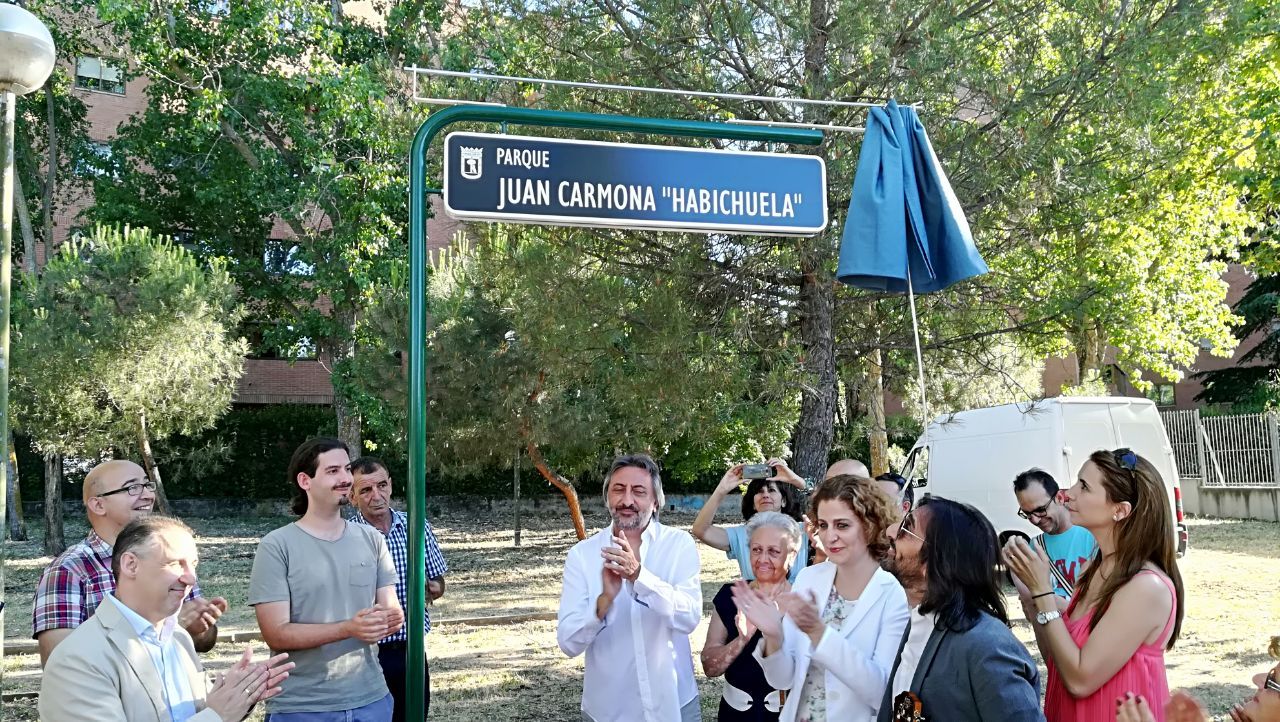
Juan Carmona “Habichuela” Park begins its complete renovation. A new green gateway to Casa de Campo for 13,000 residents. Play areas, shade, and accessibility. Find out how the neighbourhood will change and what’s new in the project.
The Ayuntamiento de Madrid has launched the long-awaited regeneration of Juan Carmona “Habichuela” Park, located in the Latina district. This project, with an investment of over 1.58 million euros, will transform the space into a renewed, accessible area that will serve as the new green entrance to Casa de Campo. The project will directly benefit around 13,000 residents and covers nearly 17,000 square metres.
The initiative aims to restore the park as a key transitional space between Casa de Campo and the urban environment, giving it a modern and functional look. Pedestrian mobility is prioritised, with accessible and safe routes, the removal of architectural barriers, and improved connections with the neighbourhood and nearby facilities. The design also allows for emergency vehicle access and enhances security in the area.
The new park will feature renovated green spaces, shaded areas, and places for rest and socialising. Highlights include a large guitar-shaped children’s play area in tribute to flamenco guitarist Juan Carmona “Habichuela”, long slides, a double zip line, calisthenics zones, ping-pong tables, and a pétanque area, designed for all ages. The park will also have direct access to the Centro Cultural Sara Montiel.
The regeneration includes planting 111 trees, installing 45 benches, two fountains, and 33 new lighting points. Public lighting and urban furniture will be renewed, and sustainable drainage solutions will be added to optimise rainwater management, improving environmental efficiency and adaptation to climate change.
This transformation is part of the regenera Madrid plan, the municipal strategy to revitalise neighbourhoods built before 1985, especially in the city’s most run-down areas.