
News
Morning of delays and transfers on Cercanías Madrid due to incidents on several lines
Delays and route changes are affecting thousands of travellers on Cercanías Madrid. Cable theft and electrical problems are making travel difficult on key lines. The city's routine is disrupted right in the middle of rush hour.
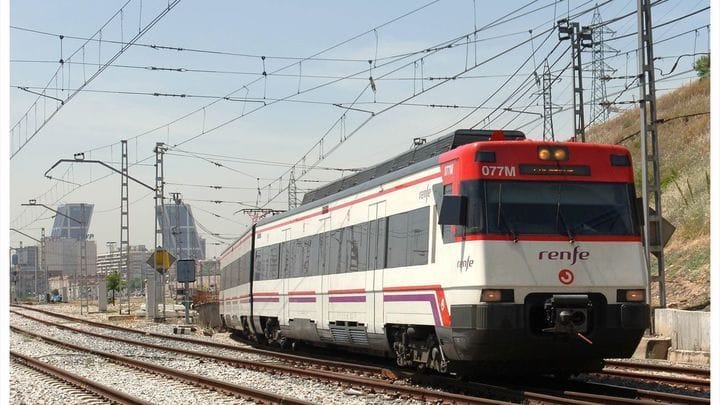
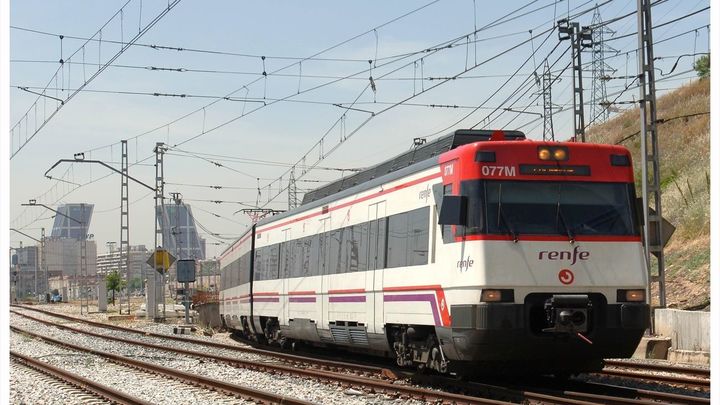
Wednesday begins with disrupted travel for those who rely on Cercanías Madrid. The C-3, C-4, C-8 and C-8B lines are experiencing delays and unexpected transfers just as the city gets moving. For many, the usual commute to work or university turns into an obstacle course.
The trigger was a cable theft between Cercedilla and Los Molinos, which forced Renfe to set up shuttle trains in both directions on the C-8 line. Passengers heading towards Chamartín-Guadalajara have to change trains at Collado Mediano, disrupting the smooth, direct journey they are used to.
The situation is even more complicated on the C-8B line, where a signalling system issue, which arose during scheduled works, is causing further delays. Adif technicians are working against the clock to restore normal service, but uncertainty hangs over the platforms.
Meanwhile, the C-3 and C-4 lines are not spared from problems either. A fault in the infrastructure between Villaverde Bajo y Atocha is affecting the power supply and causing delays, stoppages and altered routes towards Atocha-Chamartín. The INFOAdif notice confirms that teams are focused on resolving the incident as quickly as possible, though passengers’ patience is being tested.
The immediate result is a morning of crowded platforms, slower trains and routine changes for thousands of people in Madrid. Those who depend on these services to arrive on time see the city adjusting its pace once again, a reminder of the network’s fragility at key moments.
Cercanías Madrid is the rail system that connects the capital with its metropolitan area and nearby towns. Every day, hundreds of thousands of people use it to travel between neighbourhoods, get to work or enjoy the city’s cultural and leisure offerings. Its operation is essential to the daily rhythm of Madrid, and any disruption is immediately felt in urban life. The network, though robust, is not immune to incidents that test the resilience of its daily users.