
News
Martorell limits public-fountain water to 25 litres after social pressure
Martorell City Council sets a maximum of 25 litres per person per day for collecting water from municipal fountains. The measure aims to protect those without access to running water. The Síndica de Greuges welcomes the change. Universal access to water remains guaranteed.
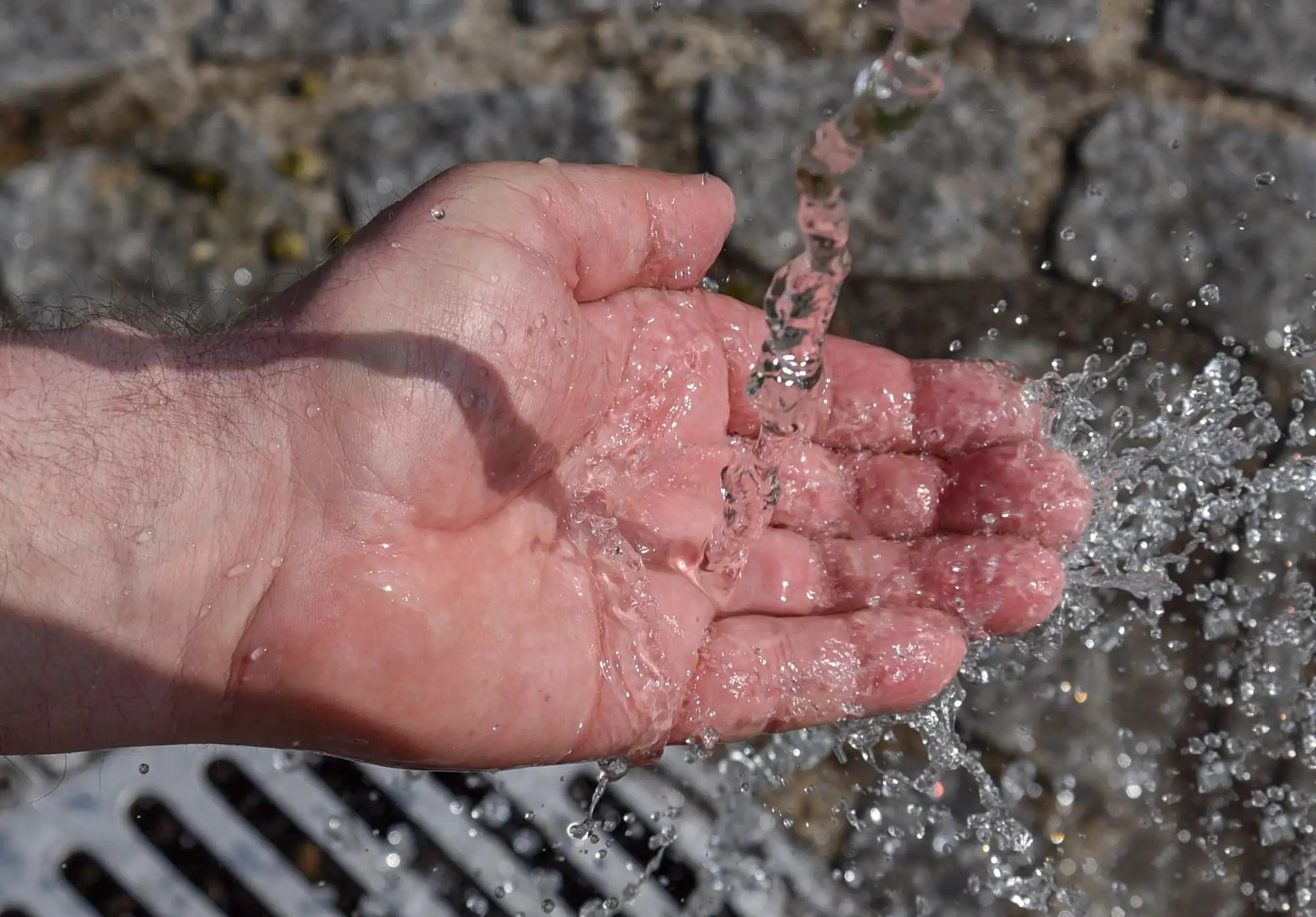
Martorell City Council sets a maximum of 25 litres per day per person for collecting water from municipal fountains. The measure seeks to protect people without access to running water. The Síndica de Greuges welcomes the change. Universal access to water remains guaranteed.
Access to water in Barcelona and its metropolitan area is once again at the centre of public debate. Martorell City Council has decided to establish a limit of 25 litres per day per person for collecting water from municipal fountains, a measure that directly affects people who depend on these points to meet their basic needs.
The decision follows weeks of concern among residents and social groups, worried about the impact of the penalties provided for in the coexistence bylaw. The Síndica de Greuges de Catalunya, Esther Giménez-Salinas, intervened on her own initiative after detecting that the new rules could particularly harm vulnerable people without access to running water in their homes.
The council, which initially showed reluctance to amend the bylaw, has finally accepted the Catalan ombudsman's recommendation: not to penalise people who collect up to 25 litres per day per person. This seeks a balance between responsible resource management and protection of the basic right to water.
The Síndica's institution stresses that water is a common and essential good, recognised as a human right. It also recalls that international standards, such as those of the Sphere Project, regard 15 litres per day per person as the minimum vital amount, although in middle-income urban contexts the figure can reach 50 litres.
This regulatory adjustment in Martorell sets a precedent for other municipalities around Barcelona, where water management and protection of the most vulnerable groups have become priority issues in the face of social pressure and new urban realities.
The office of the Síndica de Greuges de Catalunya plays a key role in defending fundamental rights in the community. This institution acts independently to oversee public administrations' actions and ensure that regulations respect citizens' dignity and basic needs. Its intervention in issues such as access to water demonstrates the importance of having bodies that safeguard equity and social justice in the daily lives of people living in Catalonia.