
News
More mosquitoes in Barcelona in the middle of autumn? The rains have a lot to do with it
Summer is over, but the mosquitoes haven't left Barcelona yet. The recent rains and mild temperatures are creating favourable conditions for them to breed. However, experts from Mosquito Alert warn that neither the heat nor the storms necessarily mean there will be more bites.
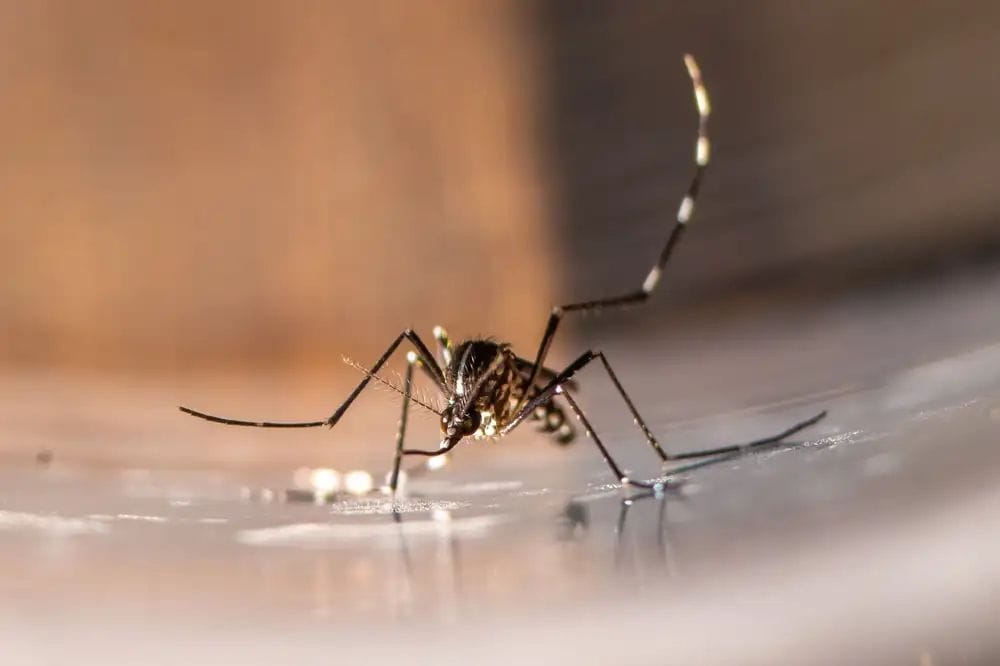
October is moving on and the mosquitoes are still causing trouble. After a summer marked by heat and dry air, the rains of recent weeks have changed the conditions in which these insects develop.
Frederic Bartumeus, a researcher at the Centre d'Estudis Avançats de Blanes (CEAB-CSIC) and director of the Mosquito Alert project, explains that the relationship between the weather and the presence of mosquitoes is much more complex than it seems.
In fact, a very hot summer can be less favourable for mosquitoes than a mild, humid autumn.
Why are there more mosquitoes now than in summer?
The answer lies in the combination of water, humidity, and temperature.
During the summer months, high temperatures were accompanied by very low humidity. These conditions made it harder for mosquitoes to reproduce and survive, so their activity remained relatively low.
With the arrival of September, the situation began to change.
Rainfall created new places where water could collect, and temperatures stayed mild enough for larvae to develop.
According to monitoring data from Mosquito Alert, since the beginning of September there has been an increase in populations in several of the areas studied.
So, even though the calendar says it’s already autumn, the weather conditions can still be favourable for these insects.
Heavy rain doesn’t always mean more mosquitoes
It might seem logical to think that the more it rains, the more mosquitoes appear. But it doesn’t work exactly like that.
Very intense storms can wash away larvae and temporarily destroy some of their breeding sites.
On the other hand, moderate and frequent rain is usually more favourable, because it keeps small pools of water around for longer.
A plant pot, a bucket left on a terrace, a container in the garden, or any object that holds water can become a breeding site.
That doesn’t mean the problem disappears after a heavy downpour. If water remains stagnant and temperatures are right, mosquitoes can start breeding again.
How long do they take to appear after rain?
An increase in bites doesn’t necessarily happen immediately after a storm.
According to Bartumeus, the effects of rainfall on the adult mosquito population can start to be seen about 20 days later.
This is just a guideline and depends on factors like temperature, humidity, and the characteristics of each area.
When it’s warm, larvae usually develop faster. If temperatures drop for a sustained period, the process slows down and adult activity decreases.
So, autumn rains can lead to a resurgence weeks later, especially if there isn’t a significant drop in temperature.
How long will there be mosquitoes in Barcelona?
There isn’t an exact date when mosquitoes disappear from the streets and gardens.
Their activity depends on the weather. A mild, humid autumn can prolong their presence, while the arrival of persistent cold tends to reduce it.
Climate change can also alter these patterns, but that doesn’t mean there will necessarily be more mosquitoes every year.
Episodes of extreme heat and lack of humidity can be bad for these insects. At the same time, milder winters can allow some species to stay active for longer.
The result is that the mosquito season can change in length and show peaks of activity at less usual times.
What to do to stop them breeding near your home
The most useful measure is simple: stop water from staying stagnant in small containers.
It’s a good idea to check plant pot saucers, buckets, watering cans, outdoor toys, drains, and other places where water might collect after rain.
Emptying or regularly changing this water helps break the breeding cycle, especially for species like the tiger mosquito.
Mosquito nets and approved repellents can also be used to reduce exposure to bites.
Mosquito Alert: citizens help track their evolution
The Mosquito Alert project combines citizen observations, weather data, and monitoring systems to study how mosquito populations change.
Through this initiative, citizens can report sightings that help improve knowledge about the distribution and activity of different species.
This information is useful for anticipating possible population increases and guiding public health monitoring, especially because some species can transmit diseases.
The researchers’ conclusion is clear: to know if there will be more mosquitoes, it’s not enough to just look at the temperature. How much it rains, where water collects, and how humidity changes in the following weeks also matter.