
News
Metro de Madrid launches direct card and mobile payments at ticket gates
Entering Metro de Madrid changes from 1 June. Travellers will be able to pay directly at ticket gates with a contactless bank card, mobile phone or smartwatch, without using ticket machines or buying a single ticket beforehand. The measure aims to reduce queues and make access easier, especially for tourists, visitors and users without a travel pass.
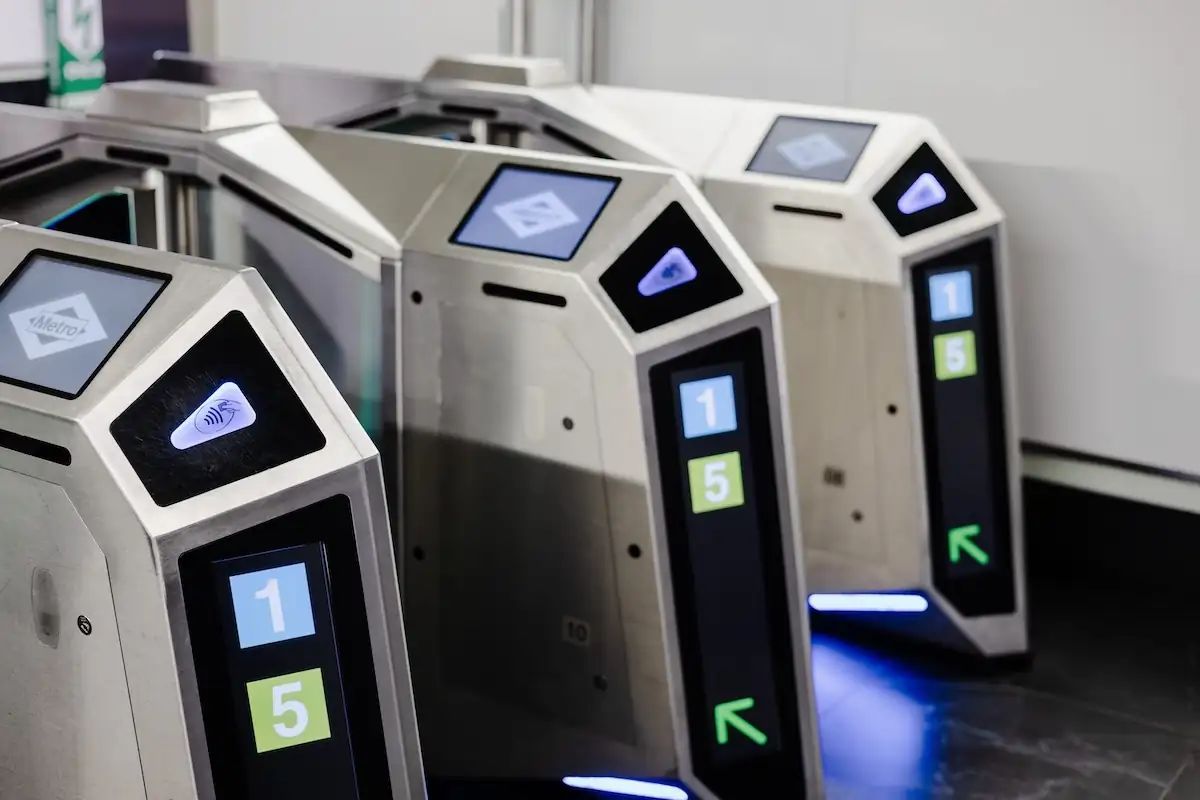
It will work much like paying in a shop: hold the card or device up to the turnstile reader and enter. The system will accept physical cards and cards virtualised on a mobile phone or smartwatch, using EMV technology. For many occasional travellers, the difference will be immediate: fewer doubts at the machines, fewer top-ups and less time lost before reaching the platform.
In this first phase, direct payment will be intended for the single ticket, priced at 1.50 euros during the first few weeks. Those who use passes, multi-journey tickets or regular cards will be able to continue validating as before. The new feature does not abruptly replace the existing system, but adds a quick route for occasional journeys.
The rollout will reach more than 1,200 turnstiles across the network. At stations with older entrances, there will be at least several devices adapted for contactless payments and QR-code reading. The update is part of the modernisation process of the Madrid underground and the new smart turnstiles installed in recent years.
The date is no coincidence. The launch comes just before a week of high pressure on Madrid mobility, with the visit of Pope Leo XIV, closures in the centre and reinforced public transport. On days of mass events, any system that reduces queues at ticket offices and machines can ease entry to especially busy stations.
Madrid thus joins cities such as London, Milan and Amsterdam, where open card payment is already part of the daily routine of public transport. For someone who lives in the city and uses a monthly pass, the change may not be revolutionary. For someone arriving with a suitcase, going to a concert, visiting somebody or simply needing to make a one-off journey, it may be.
The new feature has something very everyday about it: it removes a small friction. It does not require people to understand fares, buy a Multi card or queue for a one-off journey. In a network that carries more than 2.5 million passengers a day, those seconds matter. And in Madrid, where public transport supports a large part of daily life, getting into the Metro more easily also means starting the journey with less hassle.