
News
Thousands of homes in Madrid prepare for a quiet transformation
Nearly 8,000 homes in 41 municipalities across Madrid are undergoing major renovations. The plan aims to cut energy costs and improve accessibility. Families and entire neighbourhoods will notice the difference in their daily lives.
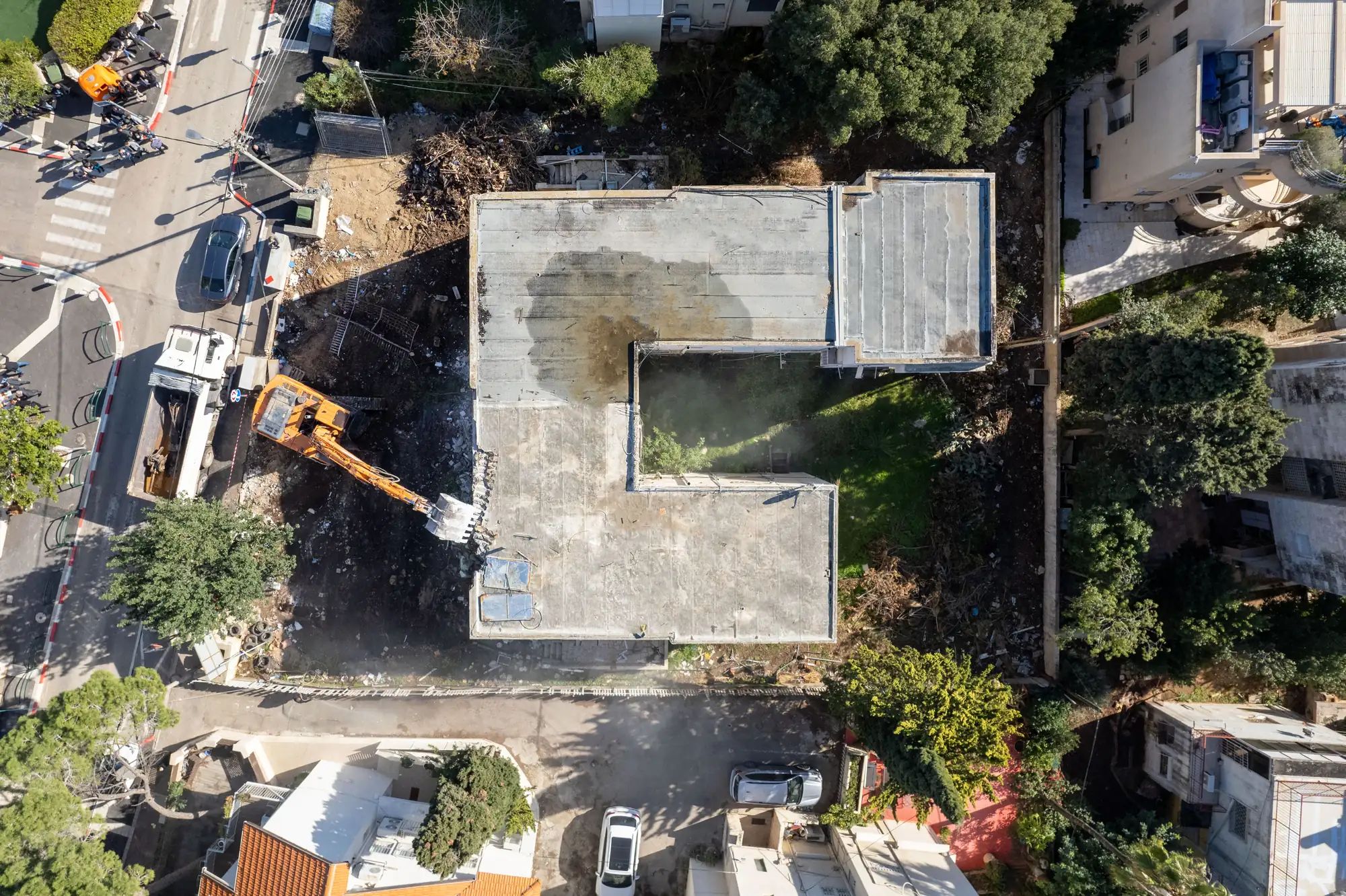
The noise of construction work will soon become a familiar sound in many apartment buildings across Madrid and its metropolitan area. These are not just simple renovations: nearly 8,000 homes in 41 municipalities are about to undergo a transformation that goes far beyond appearances. For those living in older blocks in Fuenlabrada, Torrejón de Ardoz, Alcalá de Henares, Pinto, or the capital itself, refurbishment means lower electricity and gas bills, fewer draughts, and for many older residents, a real chance to get out and about again thanks to new lifts.
The plan, with an investment of nearly 120 million euros, is not limited to minor repairs. The Comunidad de Madrid is committed to large-scale urban regeneration, working on entire neighbourhoods through 17 Entornos Residenciales de Rehabilitación Programada. In this way, whole areas will see their buildings thermally insulated, architectural barriers removed, and old boilers replaced with more efficient systems.
The figures speak for themselves: Fuenlabrada tops the list with 1,420 homes benefiting, followed by Madrid (1,233), Torrejón de Ardoz (989), and Alcalá de Henares (666). The aid covers between 40% and 80% of the cost of the works, reaching 100% for vulnerable households. The goal is clear: to reduce household energy consumption by up to 80% and modernise the oldest housing stock.
The interventions focus on three main areas. First, SATE insulation, which turns blocks into real thermal flasks and helps maintain indoor temperatures without relying so much on heating or air conditioning. Second, a commitment to decarbonisation, with the installation of aerothermal systems, solar panels, and triple-glazed windows. And third, accessibility: removal of asbestos, renovation of communal areas, and installation of zero-threshold lifts in buildings that have gone decades without a solution.
The Consejería de Vivienda insists that this is not just about making façades look better, but about updating people’s lives. According to technicians, turning a building with energy leaks into an efficient home can mean savings of between 40% and 80% on monthly bills.
This push is made possible by European NextGenerationEU funds and serves as a prelude to the major Rehabilitar Madrid project, which foresees an additional 450 million euros to continue renewing established neighbourhoods. The city is already moving in this direction, making efficient and accessible housing a cornerstone of urban transformation in the coming years.
The Entornos Residenciales de Rehabilitación Programada have changed the way interventions are carried out in Madrid’s neighbourhoods. They not only bring together communities of residents with similar needs, but also allow for the coordination of large-scale works and the optimisation of resources. This strategy makes changes visible in daily life: less noise from old boilers, accessible entrances, and façades that keep out the cold and heat. For many, it means reclaiming neighbourhood life and adapting buildings to current needs without losing their identity.