
News
Madrid fills its venues again for European Music Day
Madrid has again shown that live music does not exist only at large festivals or crowded venues. For several days, city venues have been at the centre of the cultural agenda thanks to the series organised by Madrid en Vivo for European Music Day.
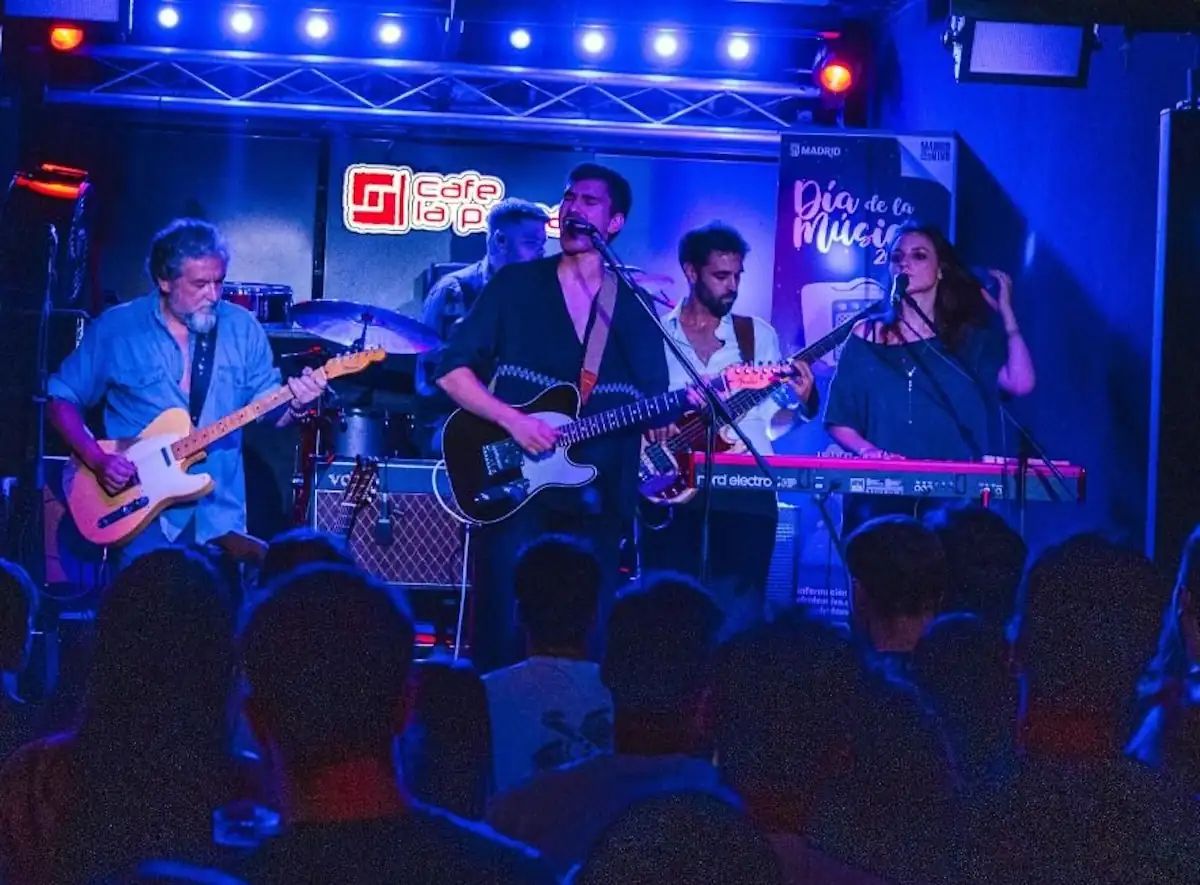

The programme was held from 18 to 21 June and brought together thousands of attendees at more than twenty concerts. Over four days, different venues in Madrid hosted performances in a wide variety of styles, with a mix of established artists, new voices and proposals for very different audiences.
The series left a recognisable picture of Madrid’s cultural nightlife: full venues, an audience close to the stage and concerts where the distance between musicians and attendees is reduced to a minimum. That closeness is precisely one of the reasons why these spaces remain essential for live music.
Variety was one of the programme’s strengths. There was rock, pop, jazz, flamenco, soul, hip hop and roots music, a combination that meant European Music Day was not confined to a symbolic celebration but became a real route through Madrid’s sonic diversity.
The strong attendance also confirms the public’s interest in venue concerts. In a city increasingly shaped by major events, these spaces retain a different scale: closer, more flexible and closely tied to the cultural life of neighbourhoods.
Madrid en Vivo has also published a video summary with some of the series’ highlights. The piece serves as a record of those four days of concerts and as a showcase for a network of venues that programmes music throughout the year, not only on special dates.
The role of these venues goes beyond nightlife. They are places where many artists try out repertoire, present albums, find their first audiences or keep alive a scene that does not always fit on the big bills. They also generate activity in nearby streets, bars and shops.
The success of the European Music Day series leaves a clear message for Madrid: the city needs its venues open, active and recognisable. In them, people do not only listen to music; community is also built, artists are discovered and a kind of culture that begins a few metres from the stage is kept alive.