
News
FIFA World Cup 2026: fixtures, results and everything you need to know if you follow Spain
Spain lifted its second World Cup. We tell you about the road to the title, the result of every match and everything the 2026 World Cup brought.
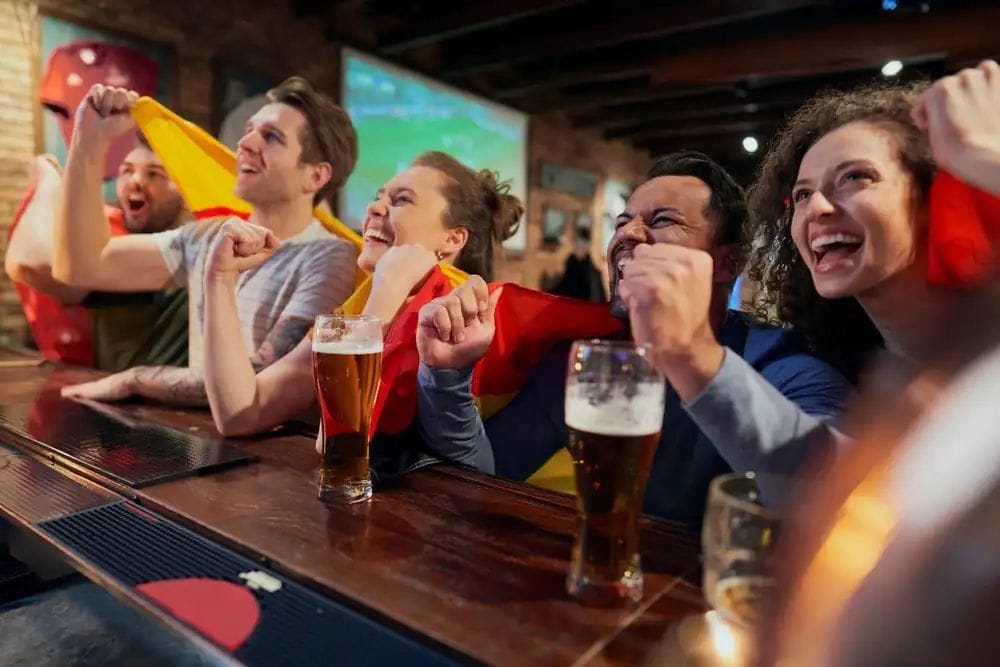
Spain win the 2026 World Cup: results, fixtures and the road to the second star
The 2026 World Cup already has a champion. Spain won their second world title after defeating Argentina 1-0 after extra time in the final played at the New York New Jersey Stadium in East Rutherford.
The team managed by Luis de la Fuente completed a brilliant tournament and lifted the World Cup again sixteen years after the historic triumph at South Africa 2010. The only goal of the final came in the 106th minute, when Ferran Torres made the most of a flick-on from Nico Williams to beat Emiliano Martínez and give La Roja their second star.
With this victory, Spain puts the finishing touch to a historic championship, the first played with 48 national teams and 104 matches, jointly organised by the United States, Canada and Mexico.
Spain, 2026 World Cup champions
Spain were crowned 2026 World Cup champions after beating Argentina 1-0 after extra time in the final played on Sunday 19 July.
The match was very evenly balanced and ended goalless after the 90 regulation minutes. The decisive move came in the second half of extra time: Pedro Porro crossed from the right, Nico Williams headed the ball on and Ferran Torres finished precisely to score the match’s only goal.
The Spanish national team dominated much of the match thanks to their control of the ball and a solid defensive performance that neutralised Argentina’s main attacking threats. With this win, Spain succeed Argentina as world champions and win the second World Cup in their history.
Spain’s schedule at the 2026 World Cup
The times shown correspond to mainland Spanish time.
Spain’s results at the 2026 World Cup
Spain’s path to the title
Spain finished the group stage as leaders of Group H with seven points. The team began the championship with a goalless draw against Cabo Verde, before responding with an emphatic 4-0 victory over Saudi Arabia.
On the final matchday of the first phase, La Roja beat Uruguay 0-1 and secured first place in the group.
From the knockout stage onwards, the team managed by Luis de la Fuente showed its best version. Spain eliminated Austria 3-0 in the round of 32 and overcame Portugal 0-1 in the round of 16 thanks to a goal from Mikel Merino in added time.
In the quarter-finals they beat Belgium 2-1, while in the semi-finals they overcame France 0-2 with goals from Mikel Oyarzabal and Pedro Porro.
The final against Argentina was the toughest match of the championship. After 90 goalless minutes, Ferran Torres scored in extra time, the goal that decided the match and enabled Spain to win the second World Cup in their history.
Spain have scored eight goals in their four direct-elimination matches and have conceded only one, scored by Belgium in the quarter-finals.
Photo by Gorodenkoff / Shutterstock / FOTODOM
How does the new 2026 World Cup format work?
The 2026 World Cup is the first edition in history with 48 national teams. The teams were divided into 12 groups of four and each national team played three matches during the first phase.
The top two in each group advanced directly to the knockout stage. They were joined by the eight best third-placed teams, forming a round of 32 with 32 national teams.
From that round onwards, all matches are knockout matches. If a match ends level after the 90 regulation minutes, extra time of two 15-minute periods is played.
If the score remains level after extra time, the winner is decided by a penalty shoot-out.
The new system has raised the total number of matches to 104 and added an extra knockout round compared with previous editions.
What does this World Cup mean for Spain?
Winning the 2026 World Cup represents one of the greatest achievements in the history of Spanish sport. Spain are world champions again sixteen years after the unforgettable South Africa 2010 title and become one of the few national teams to have lifted the World Cup on more than one occasion.
Beyond the result, the tournament symbolises the definitive generational handover. The generation of Andrés Iniesta, Xavi Hernández, Iker Casillas and Sergio Ramos opened an unrepeatable era between 2008 and 2012, while the team managed by Luis de la Fuente has shown that Spain are once again among the elite of world football, with a new generation of footballers led by Lamine Yamal, Nico Williams, Pedri, Pau Cubarsí and other young players who are already part of the national team’s present and future.
The championship also consolidates the Spanish national team’s playing model. Throughout the tournament, La Roja stood out for controlling the ball, defensive solidity and the ability to compete against some of the championship’s most demanding opponents, eliminating Portugal, Belgium, France and the reigning champions, Argentina.