
News
Traffic authorities set 15 as the minimum age for using electric scooters
Mobility in Spain's major cities is preparing for an important change. The Government has set 15 as the minimum age for riding electric scooters and other personal mobility vehicles, as part of a reform that also introduces new obligations for cyclists, motorcyclists, delivery riders and professional drivers.
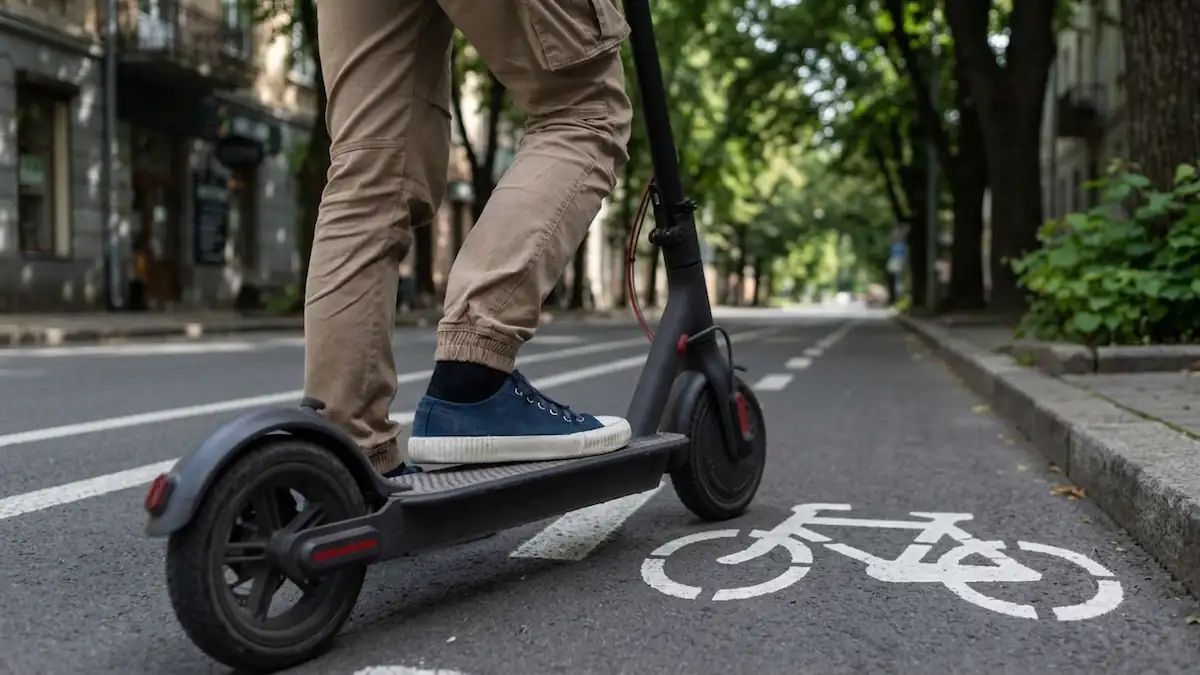
The measure will come into effect on 1 October 2026 and aims to bring order to a type of transport that has grown very quickly in recent years. Electric scooters have gone from being a minority alternative to becoming part of the daily landscape in city centres, residential neighbourhoods, university areas, and high-traffic zones.
For scooter users, the reform sets out several clear obligations. You must be at least 15 years old, wear a helmet, ride with lights on, and use reflective elements at night or when visibility is poor. Failing to comply with these rules could result in fines of up to 200 euros.
The change also aims to put an end to some of the current confusion. Until now, many rules depended on municipal ordinances, which meant that scooter use varied from city to city. With the new regulation, the State sets a common baseline, although local councils can still maintain stricter rules on specific aspects of urban traffic.
This means that in some large cities there may still be additional limits on where scooters can be ridden, which streets are off-limits, or how users must behave in pedestrian areas. The national reform sets the minimum standard, but does not remove the ability of local authorities to manage public space.
Delivery riders and professional users will face extra requirements. Those working with scooters, bicycles, mopeds, or motorbikes must always wear a helmet and reflective elements—a measure aimed at people who spend many hours on the street and move between traffic, bike lanes, junctions, and delivery zones.
The reform also affects cyclists. On interurban roads, exceptions to helmet use will disappear, and drivers overtaking bicycles must reduce their speed by at least 20 kilometres per hour below the road limit. If the road has more than one lane in each direction, they will be required to change lanes completely.
In the city, cyclists should preferably ride in the centre of the lane. Vehicles behind must keep a minimum distance of five metres—a new rule designed to reduce pressure, dangerous overtaking, and conflicts on narrow streets.
Motorcyclists will also have new obligations. On interurban roads, they must wear protective gloves, and on any road, closed footwear will be mandatory. In addition, helmets must be approved, although this specific requirement will apply later, from October 2027.
Another important change affects taxis, delivery vehicles, and driving school cars. The reform removes several exceptions to the use of seat belts, so these drivers will also have to wear them on short journeys or during certain urban services.
The new regulations come at a time when cities are dealing with an increasingly complex mix of pedestrians, bikes, scooters, motorbikes, taxis, buses, and private cars. The aim is to reduce accidents and clarify responsibilities, but it will also require many users to change habits that until now have existed in a grey area between legal loopholes, custom, and permissiveness.