
News
Rodalies suffers two stoppages in Catalonia during the Pope’s visit
Rodalies has once again tested the patience of thousands of travellers in Catalonia. The network suffered two general interruptions this Tuesday because of an incident at Adif’s control centre at Estació de França, on a particularly sensitive day due to Pope Leo XIV’s visit to Barcelona.
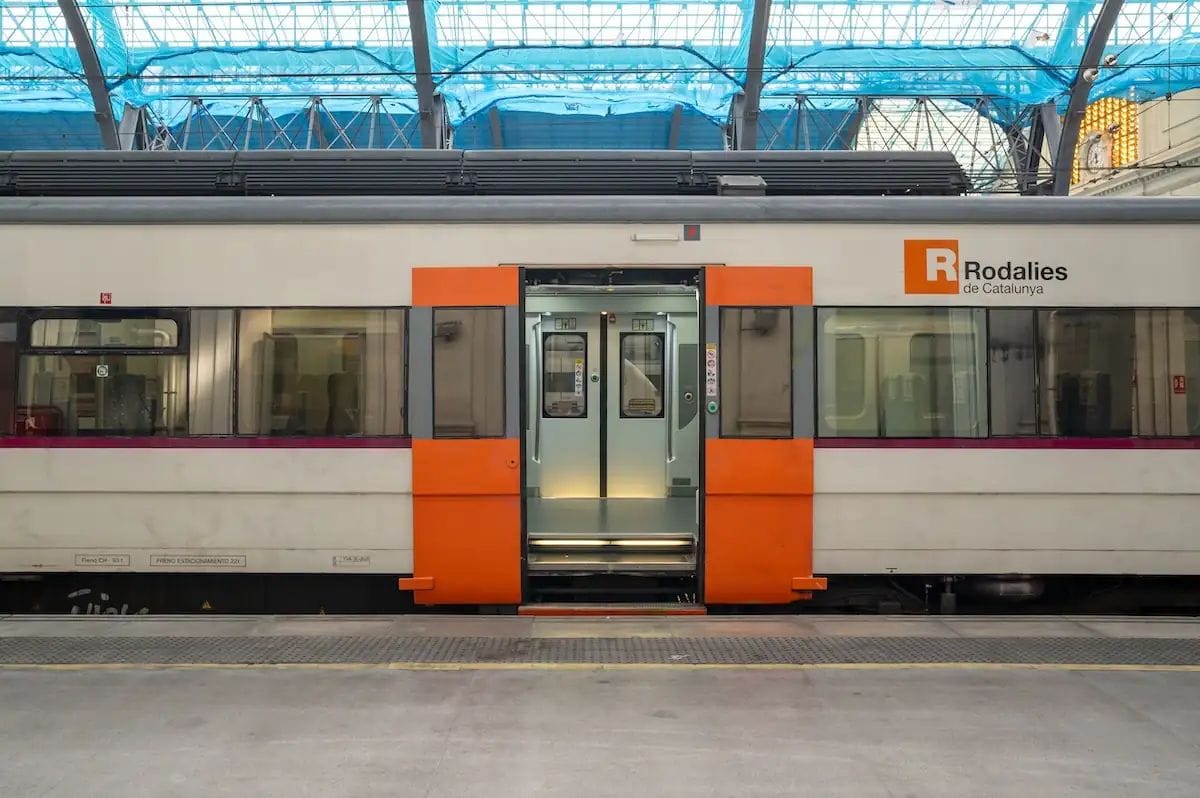
The first service outage occurred at midday and forced train traffic to stop for safety reasons. After a gradual recovery, a second incident brought the network to a standstill again during the afternoon, causing further waits, delays and changes of plan for those who relied on the train.
The fault affected the rail-traffic regulation system, a key component for organising operations and ensuring that trains can move safely. That is why, although some interruptions lasted only a few minutes, the impact extended for hours in the form of accumulated delays.
The disruptions reached Rodalies lines and regional services, with a particular impact on journeys towards Barcelona and the metropolitan area. For many users, the problem came in the middle of the working day, when it was already difficult to reorganise journeys or find quick alternatives.
The incident also coincided with one of the days of greatest pressure on mobility in Barcelona. The Pope's visit had led to increased rail services and recommendations to use public transport, but the stoppage left many travellers stranded just when the city needed a more reliable network.
Adif attributed the problem to the computer system linked to the control centre and pointed to Siemens, responsible for technological support. The railway company announced measures to clarify what had happened, while the service was gradually restored.
The Govern, for its part, linked the incidents to the implementation of new systems and argued that the technological transition must serve to improve the network's safety and reliability. But for users, the technical explanation weighs less than the sense of fragility of an essential service.
The episode once again raises an uncomfortable question: what happens when the transport that must support daily mobility fails in sequence. Rodalies is not just a rail network; it is how thousands of people get to work, class, a medical appointment or home. When it stops, the entire city notices.