
News
Uber and Cabify cars will change their appearance in Madrid under the new regulations
Booking a private-hire vehicle in Madrid will change slightly in the coming months. The regional government is preparing new regulations that will require vehicles from platforms such as Uber and Cabify to display more visible, harder-to-forge anti-fraud badges, a measure intended to reduce irregularities and provide more safety for both users and drivers.
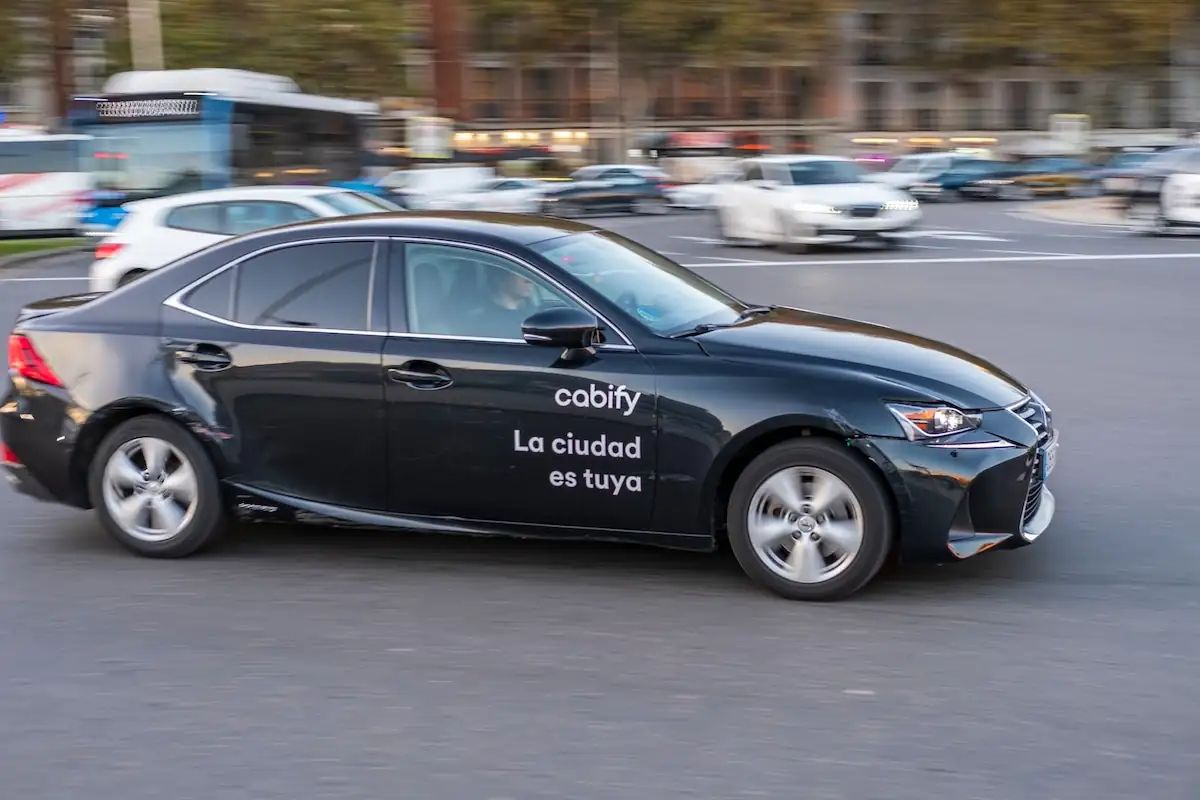
The idea is that anyone should be able to quickly identify whether the car is authorised and what type of service it provides. The new identifiers will also make it possible to distinguish between urban and interurban journeys, something especially relevant in a city where VTC vehicles are already part of the daily mobility of thousands of people.
The reform also addresses one of the issues that generates the most criticism among users: dynamic pricing. From now on, price rises may only be applied in officially recognised exceptional situations, such as major emergencies, serious incidents or events with a major impact on mobility.
This means that usual periods of high demand — rain, weekends, concerts or the end of the working day — will not automatically justify uncontrolled increases. In addition, fares will have clear limits and may not exceed 75% above the established base price.
Another important change concerns accessibility. Adapted VTC vehicles will display visible pictograms to make them easier to identify from the street and improve the experience of people with reduced mobility. The regulations also relax some environmental requirements in order to expand the availability of this type of vehicle.
Madrid has spent years undergoing a quiet transformation in the way people get around. What began as an occasional alternative to taxis has become a routine part of urban life, especially in outlying neighbourhoods, on late-night journeys or on connections where public transport does not always respond quickly.
The new regulations reflect precisely this moment: VTC vehicles no longer operate as a marginal or exceptional service, but as another part of Madrid’s mobility. And that requires the city to redefine rules, coexistence and limits in an ecosystem where technology, transport and everyday life are increasingly intertwined.