
News
Works in El Raval uncover medieval ovens and 700-year-old secrets
Works at the Chapel of Mercy have brought medieval remains to light. The discovery reveals the hidden history beneath El Raval. The new CAP will integrate these vestiges into its design. Barcelona continues to surprise beneath its streets.
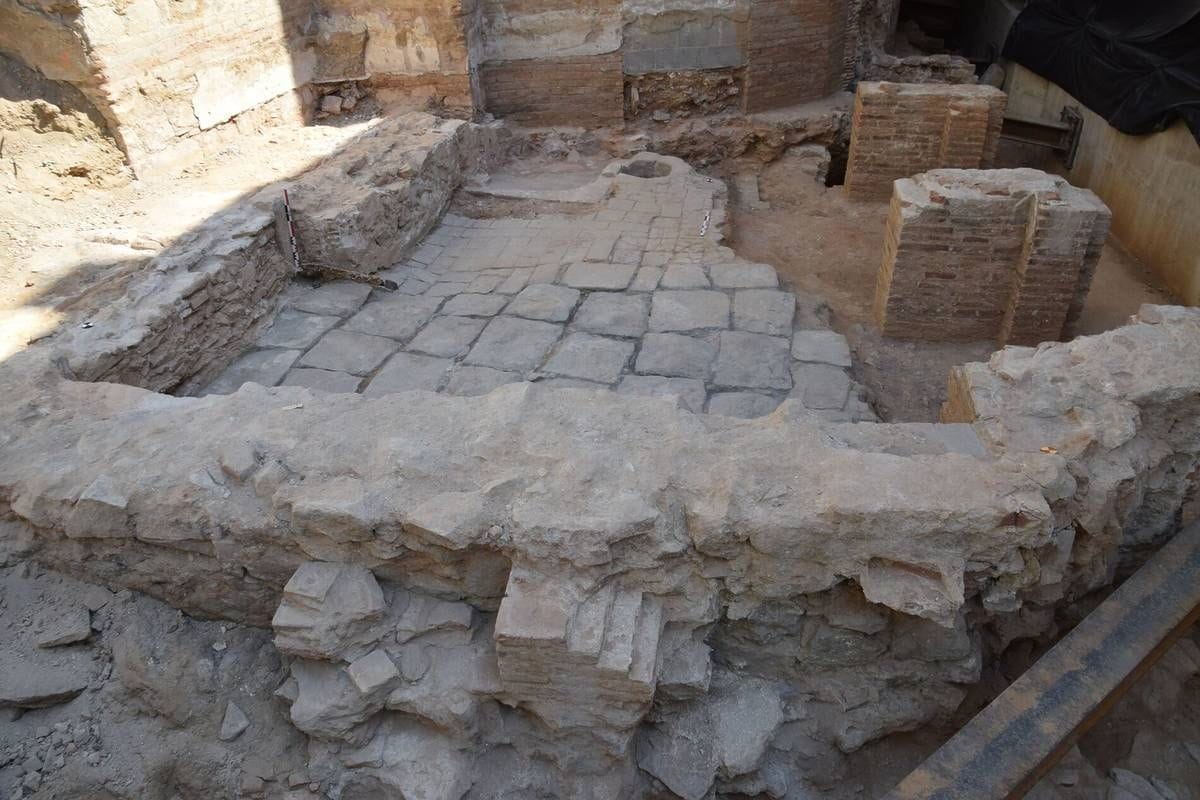
Work at Capilla de la Misericordia has brought medieval remains to light. The discovery reveals the hidden history beneath Raval. The new CAP will incorporate these vestiges into its design. Barcelona continues to surprise beneath its streets.
Raval once again shows that in Barcelona every refurbishment can change the history we know. Work for the new CAP Raval Nord, at Capilla de la Misericordia, has uncovered vestiges that transform the view of the neighbourhood: beneath the asphalt, two medieval ovens and structures with more than seven centuries of urban life have emerged.
Archaeologists have documented two late-medieval ovens, around two metres in diameter, with the central pillar and walls still marked by the heat of centuries past. These remains confirm that Raval was, during the 14th and 15th centuries, a key industrial hub for the city, devoted to producing ceramics and building materials that supplied walled Barcelona.
The site speaks not only of industry. Between the 16th and 18th centuries, the area was transformed into a welfare space. Cisterns, tanks and a complex hydraulic system have appeared beneath the present ground, witnesses to the importance of water management in the social institutions of the time. The former washhouse, with its original paving, channels and benches, offers a clear picture of everyday life in old Raval, where hygiene and daily work set the rhythm of the neighbourhood.
The new CAP project, promoted by CatSalut, has decided to preserve Capilla de la Misericordia and show these finds to residents. Thus, those attending the health centre will be able to contemplate fragments of the neighbourhood's history, integrated into everyday life. Heritage and health come together in a single space, where collective memory becomes visible.
The excavation, led by a team of specialists, is still under way. Bedrock has not yet been reached, so the appearance of even older remains, perhaps from the Roman period or the first agricultural settlements, cannot be ruled out. Barcelona, once again, shows that its past remains alive beneath every corner.
Capilla de la Misericordia, located on Montalegre street, is one of Raval's most singular historic spaces. Over the centuries, it has gone from a centre of craft production to becoming a refuge and, later, a welfare institution. Its architecture and location have made it a privileged witness to the neighbourhood's social and urban evolution. Today, its integration into the new CAP strengthens the link between historical memory and the everyday lives of Barcelona residents.