
News
Lexington opens premium offices on Passeig de Gràcia and reinforces its commitment to Barcelona
Barcelona gains a new office space at one of its most sought-after addresses. Lexington has opened its second centre in the city at 56 Passeig de Gràcia, with a clear commitment: attracting companies that want a premium location, private offices and integrated services without signing a traditional long-term lease.
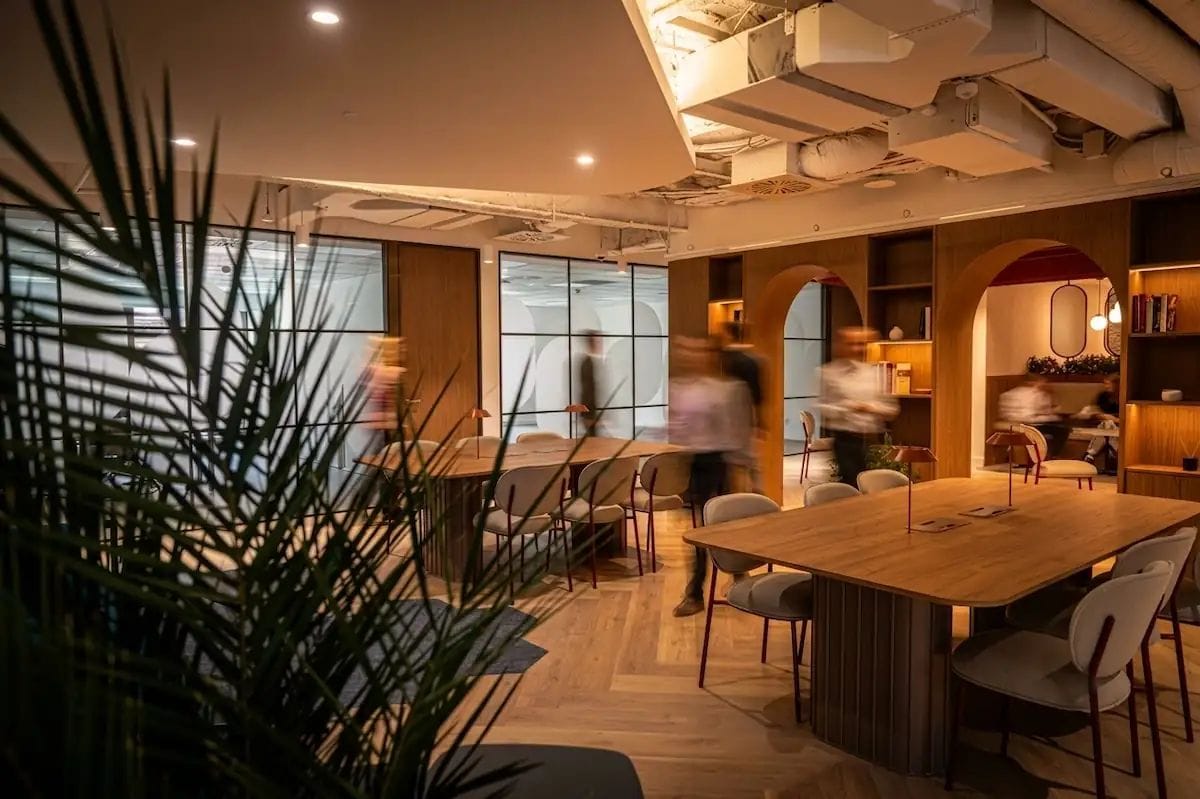
The new centre occupies more than 2,200 square metres spread across two floors of a building owned by Pontegadea. Investment amounts to €1.7 million and brings Lexington’s total commitment to Barcelona to around €3 million, where the company was already operating on Diagonal.
The space has capacity for 265 workstations, 32 private offices, shared areas and a 300-square-metre terrace. It is not designed as a coworking space open for occasional use, but as a more stable setting for teams seeking privacy, flexibility and a polished image in the heart of the city’s economic centre.
The company expects the new centre to fill quickly. Much of the interest comes from international companies linked to sectors such as technology, health, fintech and digital services, which see Barcelona as an attractive base for growth without initially taking on a conventional office.
The location carries significant weight in that decision. Passeig de Gràcia is not just a shopping and tourist avenue: it also brings together hotels, restaurants, transport connections and landmark buildings that help project the image of a solid company. For many foreign teams, setting up there means entering Barcelona through the front door.
The interior design, signed by Ivory, combines the modernist character of the surroundings with a restrained British-inspired aesthetic closely linked to Lexington’s identity. Soundproofing has been reinforced to accommodate intensive use for meetings, video calls and hybrid work.
Sustainability is also part of the appeal. The building has LEED Platinum certification, a label recognising criteria for energy efficiency, indoor air quality and the use of durable materials. In a market where companies are paying increasing attention to their environmental commitments, this kind of detail no longer works as a mere add-on.
With this opening, Lexington reaches seven centres in Spain and more than 18,000 square metres in operation. Its model seeks to occupy a middle ground: more exclusive and private than traditional coworking, but more flexible than conventional office leases.
The move comes at a time when Barcelona continues to gain weight as a destination for international companies. The city attracts talent, technology projects and teams that value both connectivity and quality of life. In that context, the rise of flexible offices does not seem like a passing fad, but a response to a more mobile, more international way of working that is less tied to rigid contracts.
For Barcelona, the arrival of spaces like this also says something about the city’s economic moment. The debate about offices is no longer only about square metres, but about what kind of companies set up, what talent they attract and how the centre changes. Passeig de Gràcia will remain a showcase, but increasingly also a workplace for an economy that wants to play in a global league.