
News
Wave of Catalan artists leaves Spotify and shakes the music scene
Dozens of musicians from Catalonia, Valencia and the Balearic Islands are removing their music from Spotify. They cite ethical reasons and denounce links with the arms industry. The change affects thousands of listeners and redefines access to local music.
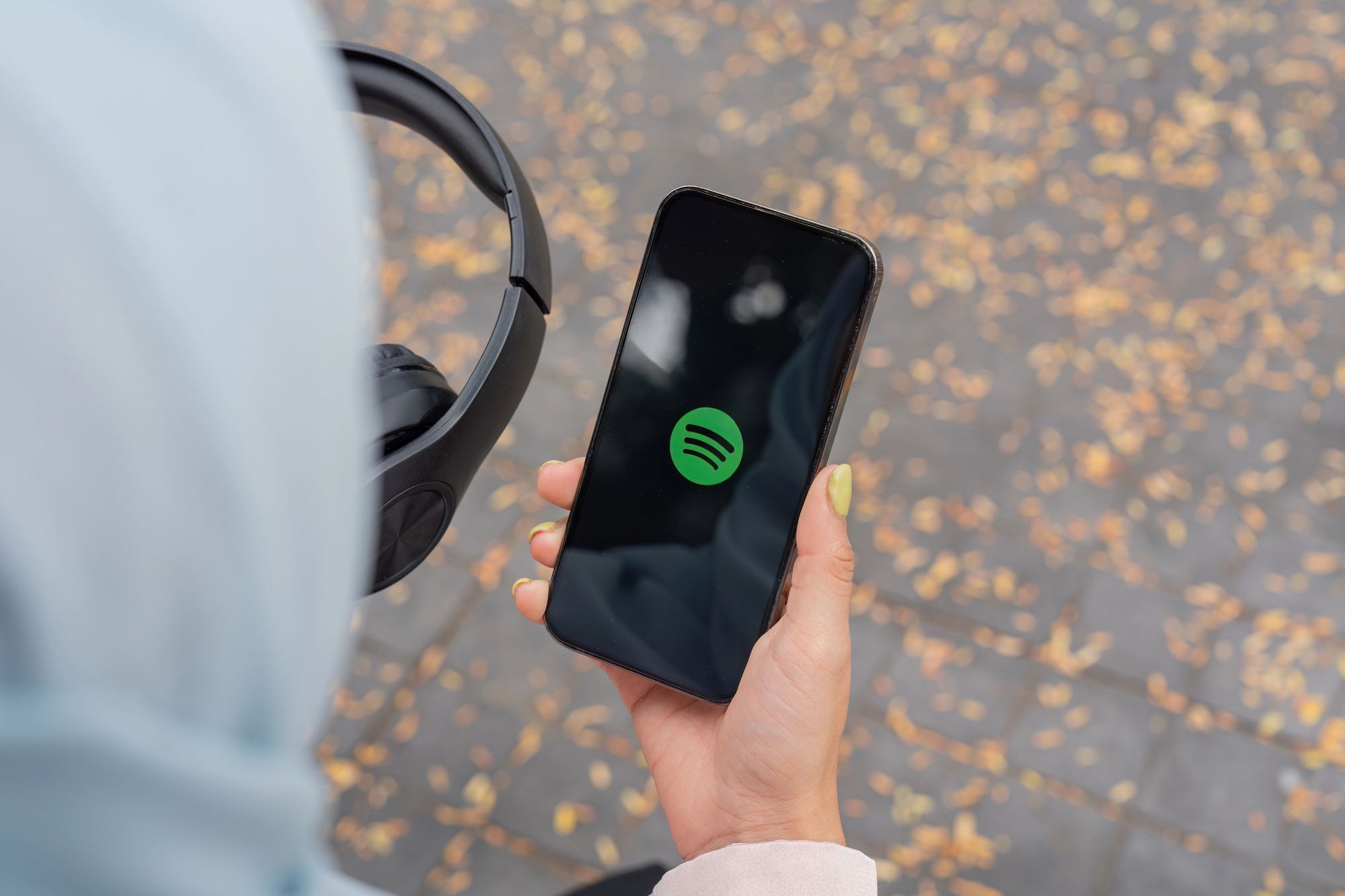
Dozens of musicians from Catalonia, Valencia and the Balearic Islands are removing their music from Spotify. They cite ethical reasons and denounce ties to the arms industry. The change affects thousands of listeners and redefines access to local music.
The decision by around 80 artists from Catalonia, Valencia and the Balearic Islands to remove their music from Spotify has caused an earthquake in Barcelona’s cultural life. For those who closely follow the local scene, this movement represents a radical change in how local music is discovered and enjoyed. The boycott, motivated by ethical reasons and the denunciation of the platform’s alleged links to the arms industry, leaves thousands of listeners without immediate access to some of the most influential names in Catalan music.
Among the musicians who have taken this step are pianists, composers and bands that have set trends in recent years. Pianist and composer Clara Peya, a leading figure in the city, has described leaving Spotify as a risky but liberating act. The group of artists maintains that the value of art cannot be measured in plays or likes, and rejects the idea that their work should depend on algorithms or commercial metrics.
Most of these musicians have already announced their intention to move their works to platforms considered more ethical, such as Bandcamp, Soundcloud or Qobuz. This shift forces followers to reconsider how to access local music and raises a debate about the role of major platforms in urban culture. The impact is felt especially in neighbourhoods where independent music is part of the daily pulse, and where the relationship between artists and audiences is more direct.
The boycott affects not only listeners, but also venues, festivals and promoters that depend on digital visibility to programme concerts and events. The reaction on social media has been immediate, with messages of support and also uncertainty about the future of music streaming in the city.
Spotify, founded in 2006 in Stockholm, has become the most widely used music-streaming platform in Barcelona and across Europe. Its business model, based on unlimited playback and algorithmic personalisation, has transformed the way Barcelona residents access music. However, the relationship between the platform and independent artists has been the subject of constant debate, especially in a city where cultural diversity and artistic ethics occupy a central place in everyday life.