
News
Parents in Sant Adrià call for urgent action against classroom heat
Families from the Amor de Déu de Sant Adrià de Besòs school have raised concerns about the heat students endure in the classrooms. They are demanding urgent solutions, such as air conditioning or fans, in response to a situation they say affects the wellbeing, health, and performance of the children.
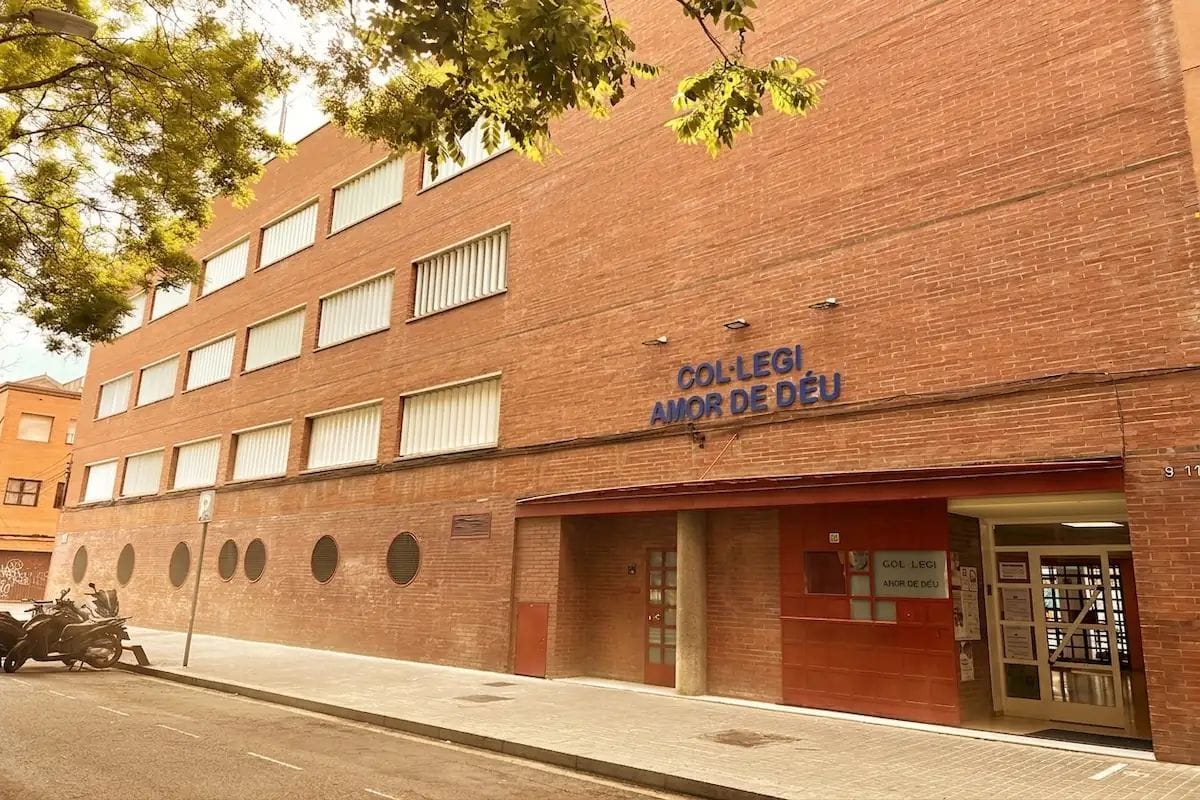
The conflict is not new. Family representatives recall that they began demanding measures in September 2024 and denounce a lack of concrete responses after months waiting for temperatures in classrooms to be monitored.
The request comes in the middle of a heatwave, when many classrooms become difficult places in which to study, pay attention or simply spend the morning. For parents, the problem can no longer be treated as an isolated end-of-term nuisance, but as an issue of health at school.
The school’s management says it is aware of the extreme weather conditions, but points to the financial difficulty of undertaking major structural works at a state-subsidised private school. It also argues that ordinary fans are not an appropriate solution in certain heat scenarios, because of the so-called “hairdryer effect”, the noise and the risk of increasing dehydration.
The school maintains that it has already begun substantive measures, such as the progressive replacement of enclosures with windows offering greater thermal insulation and the installation of aerothermal heating and cooling in the dining hall, one of the most used common spaces. Meanwhile, it applies organisational measures from the high-temperature plan, such as relaxing the uniform rules, moving activities to shaded areas and strengthening water-related measures.
Sant Adrià City Council has intervened to try to ease the situation, although it recalls that it has no direct powers within state-subsidised private schools. Even so, it has made the Casal de Cultura available as an air-conditioned space so pupils can carry out activities there during the most critical hours.
The municipal measure serves as an immediate response, but families insist that it is not enough. What they are demanding is a stable solution for the next school year, especially if episodes of extreme heat recur in June, September or even earlier.
The protest in Sant Adrià sums up an increasingly visible problem in the Barcelona area: many schools are not prepared for longer summers and higher temperatures. When the heat enters the classroom, the discussion ceases to be only educational and begins to affect the daily lives of children, families and teachers.