
News
Panellets: the sweet Catalan tradition that brings generations together
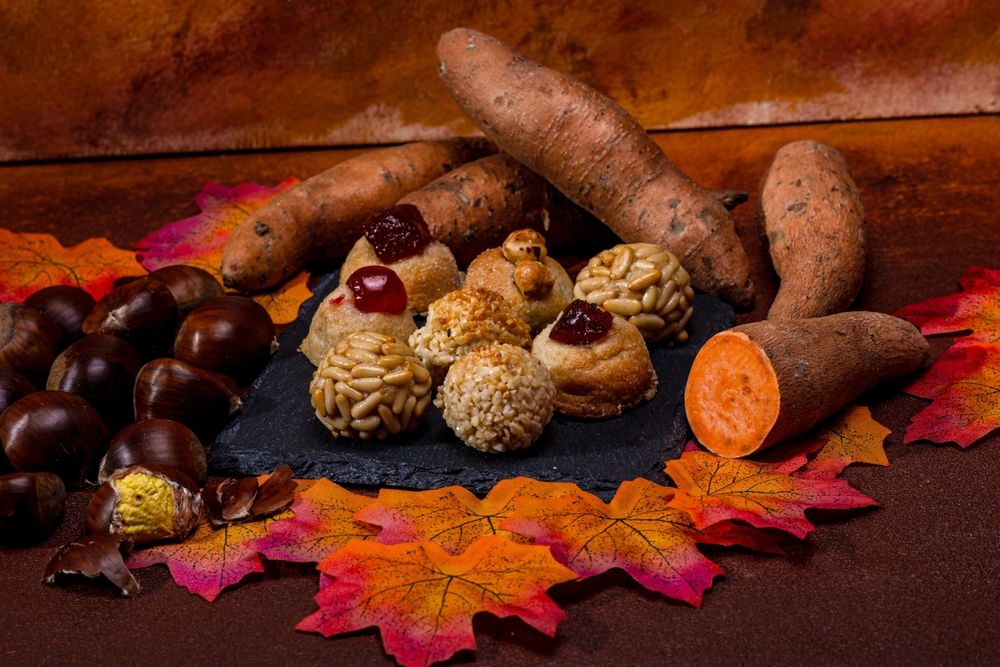
When autumn arrives in Catalonia, the streets of Barcelona are filled with a distinctive aroma: sugar, almonds, pine nuts and sweet potato. It's a sign that Día de Todos los Santos (1 November) is approaching, a festival deeply rooted in Catalan culture, and with it, the return of one of the most traditional and eagerly awaited sweets of the year: panellets.
Origins and history: from ritual to family tradition
Panellets have ancient origins and, like many Mediterranean culinary traditions, are linked to the religious world. Their consumption dates back to the 18th century, when they were offered in churches as part of funeral offerings or to celebrate the eve of All Saints’ Day.
Initially, panellets were prepared in private homes and convents, and shared with family and neighbours after religious celebrations. Their energy-rich composition —made from sugar, nuts and sweet potato— also made them an ideal food for those who fasted or prayed for long hours on the night of 31 October.
The Castanyada tradition
In Catalonia, panellets do not arrive alone. They form part of a much-loved autumn celebration: the Castanyada, a popular festival that brings friends and families together around the fire, roasted chestnuts, sweet potatoes and, of course, a good glass of muscatel.
Although in some regions this celebration has lost prominence to Halloween, in Barcelona and other Catalan areas the Castanyada is celebrated enthusiastically, especially in schools, neighbourhood associations and markets, where stalls fill with panellets of every colour and flavour.
Photo by Enric, CC BY-SA 4.0
A sweet that crosses generations
Panellets are more than a simple dessert: they are part of the emotional memory of many Catalan families. Making them at home with young children, shaping them by hand, coating them in pine nuts, walnuts or coconut… all of it is part of an intimate ritual repeated year after year.
Although they are mainly eaten from late October to early November, their popularity has meant that in some artisanal Barcelona patisseries, panellets are available for longer or are even reinvented with modern flavours such as chocolate, coffee or candied fruit.
Classic panellets: recipes to make at home
If this year you want to join the tradition and enjoy this Catalan delicacy at home, here are some traditional panellet recipes that you can prepare easily.
Pine-nut panellets (the most classic)
Ingredients:
250 g ground almonds
200 g sugar
100 g cooked sweet potato
Grated zest of one lemon
1 egg yolk
150 g pine nuts
1 beaten egg (for glazing)
Method:
Mix the ground almonds, sugar, egg yolk and sweet potato until a smooth dough forms.
Add the lemon zest.
Leave the dough to rest in the fridge for one hour.
Form small balls, coat them in pine nuts and press lightly so that they adhere.
Place them on a baking tray, brush with beaten egg and bake at 180 °C for 10–12 minutes or until golden.
Coconut panellets
Ingredients:
200 g ground almonds
150 g sugar
100 g cooked sweet potato
50 g desiccated coconut
1 egg yolk
Extra coconut for coating
Method:
Prepare the dough as in the previous recipe and add the coconut to the mixture.
Form small mounds or balls and coat them in coconut.
Bake at 180 °C for 10 minutes.
Photo by F Grao / Shutterstock / FOTODOM
Coffee and almond panellets
Ingredients:
250 g ground almonds
200 g sugar
100 g cooked sweet potato
1 tablespoon instant coffee
1 egg yolk
Whole almonds (optional, for decoration)
Method:
Dissolve the coffee in one tablespoon of hot water and mix it with the remaining ingredients.
Form balls and decorate each with an almond on top.
Bake as in the previous recipes.
A symbol of Catalan identity
Today, panellets remain a cultural symbol that survives fashions and generations. Their sweet flavour, soft texture and link with collective memory make them much more than a seasonal sweet.
In Barcelona, it is common to see long queues outside famous patisseries such as Forn Mistral, Pastisseria Escribà and Foix de Sarrià, where each year they compete to offer the most delicious, and sometimes the most innovative, panellet.
But the beauty of this tradition is that you do not need to be a professional pastry chef to enjoy it. With a few hands, simple ingredients and a little time, you can revive at home one of Catalonia’s most cherished traditions.
Will you dare to make your own panellets this year and celebrate the Castanyada like an authentic Catalan?