
News
Park Güell marks its centenary with activities created by residents and schools
Park Güell has been a public park for one hundred years and wants to celebrate by looking less to tourists and more to the people who live around it. Over the coming months, the site will host a special programme of free activities, many arising from proposals by residents, schools and organisations in nearby neighbourhoods.
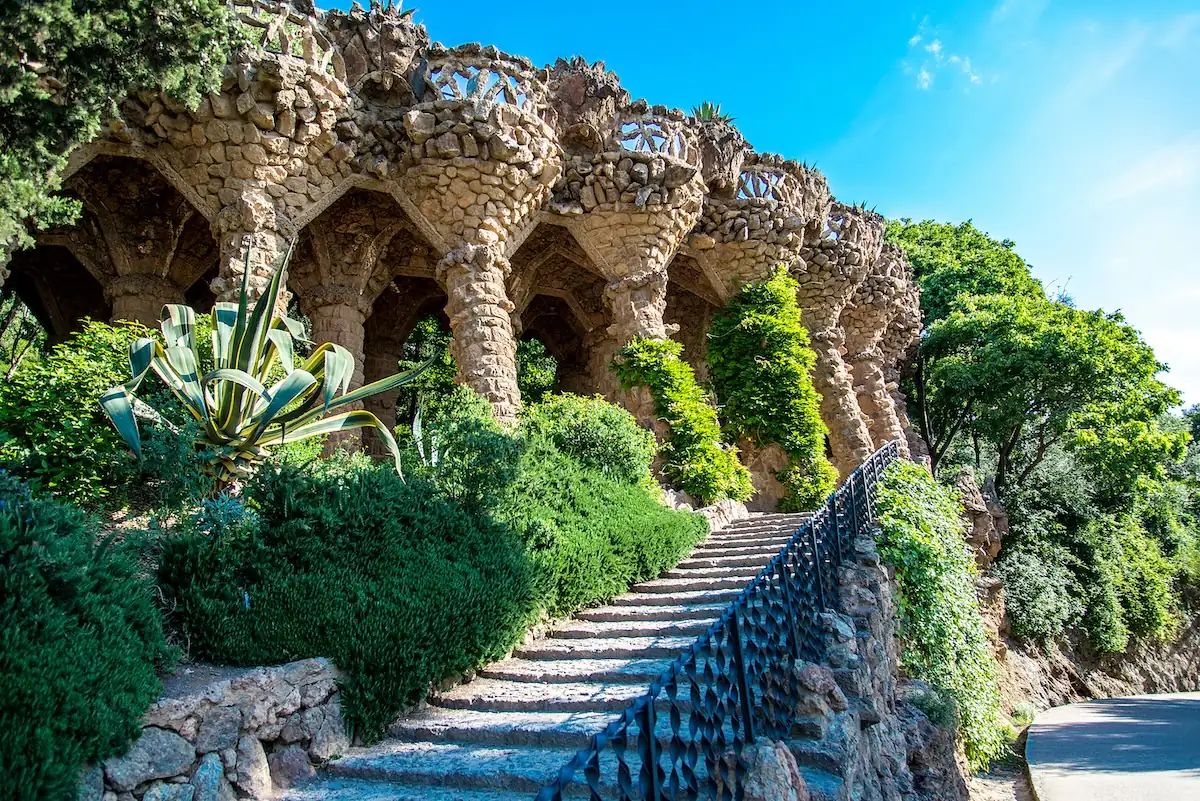
The idea is simple: to reclaim the park as a space for everyday gatherings, not merely as a photographed icon of Barcelona. That is why the programme favours small-scale, participatory formats, with workshops, music, tours, family games and activities designed to make the neighbourhood feel that Park Güell belongs to it again.
There will be sensory tours to discover aromatic plants, mosaic workshops inspired by Gaudí’s dragon, creative activities for children and dramatised visits about the park’s history and its lesser-known corners. Environmental activities have also been planned to introduce people to the biodiversity of the surrounding area without turning the experience into a formal lesson.
Music will have a prominent place. The programme includes gospel, rumba, salsa and bachata concerts, as well as open sardana classes and zumba sessions. This mixture neatly captures the spirit of the initiative: bringing together heritage, popular culture and neighbourhood activities without excessive solemnity.
Schools will also take centre stage. Planned events include the Trobada de Gegants i Tabals d’Escoles del Parc Güell, with giants, batucadas and children’s participation. For young people, the programme includes a themed escape room that will end with the castanyada, a way of connecting tradition and play within a space steeped in history.
All activities will be free, although some will require advance registration because capacity is limited. Nearby residents and facilities will have preferential access, reinforcing the aim of the programme: for the centenary not to be merely an institutional anniversary, but an opportunity to strengthen the relationship between the park and its neighbourhoods.
The celebration also coincides with a particularly symbolic moment for Barcelona: the centenary of Antoni Gaudí’s death and its status as World Capital of Architecture in 2026. In this context, Park Güell again takes centre stage, but on a more intimate and less monumental scale.
Opened as a public park in 1926, Park Güell is one of Barcelona’s great symbols and a UNESCO World Heritage Site since 1984. But its value lies not only in the undulating forms, mosaics or views across the city. What happens when the park opens up to daily life also matters: children playing, neighbours taking part, schools using it as a classroom and neighbourhoods finding a shared meeting point there. In a city where major icons often live under pressure from tourism, this programme recalls something important: heritage works best when it also serves to build community.