
News
PHotoESPAÑA brings almost 100 exhibitions to Madrid this summer
Madrid once again looks at the city through photography with a new edition of PHotoESPAÑA. From 13 May to 13 September, the festival will fill museums, halls, galleries and other cultural spaces with almost 100 exhibitions and more than 300 artists.
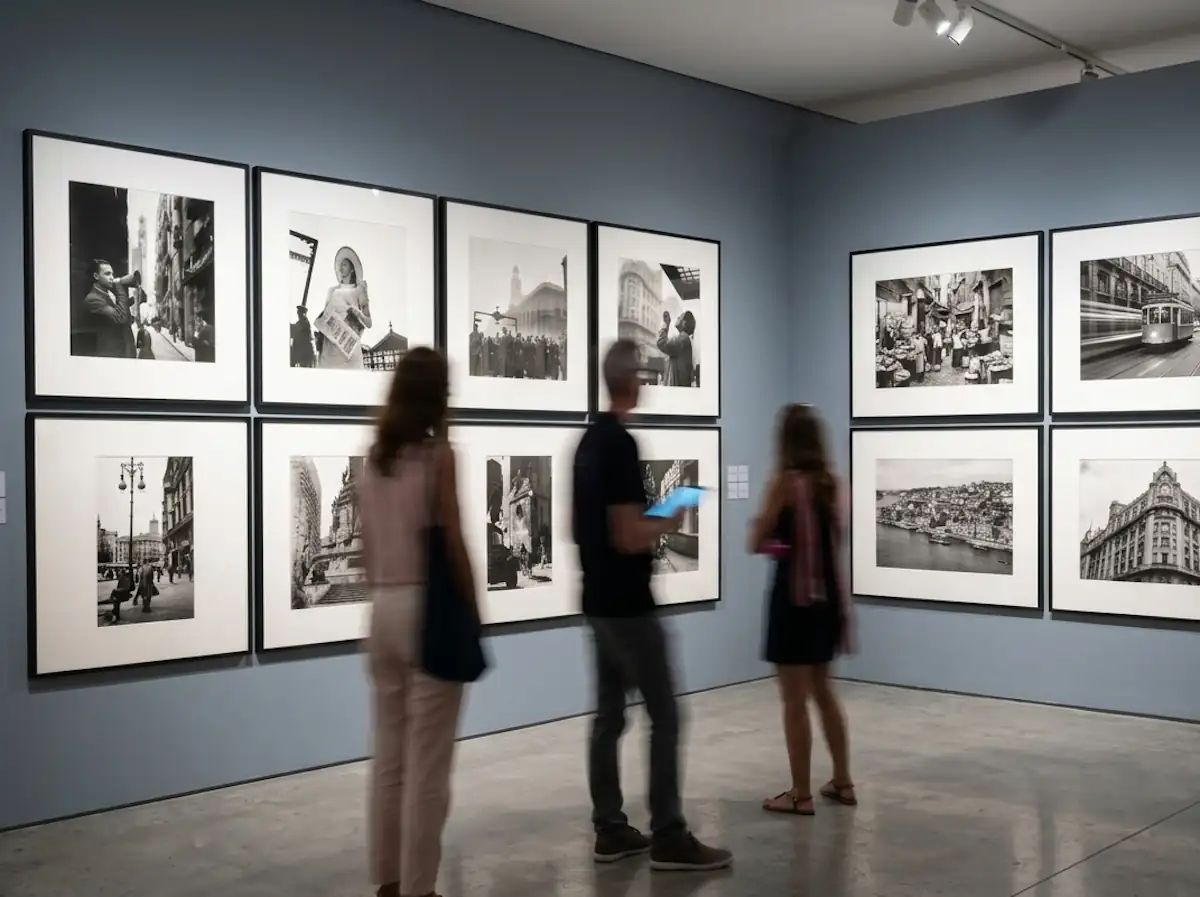
This year's edition focuses on youth and new ways of telling the present through images. It is not only about seeing photographs in a gallery: the programme aims to connect with different audiences, break predictable formats and bring visual creation closer to people who may not follow the art circuit closely.
Países Bajos will be the guest country, with a prominent presence within the festival. Its participation will offer a contemporary perspective on themes such as identity, territory, memory, urban life and new visual languages.
PHotoESPAÑA will combine big names with emerging artists, a mixture that makes it possible to explore very different proposals without leaving Madrid. There will be exhibitions in the cultural circuit's usual venues, but also in less expected places, making the festival a way of rediscovering the city during the summer.
The OFF section also retains an important role, with galleries and projects that extend the festival map beyond the main venues. For the public, that means more options, more neighbourhoods involved and an agenda less concentrated in the same familiar places.
PHotoESPAÑA's appeal is that it does not require expertise to enter. Some exhibitions engage with current affairs, others with memory or experimentation, and many make it possible to approach photography with simple curiosity: how we look, what we choose to show and what remains outside the frame.
The festival was founded in 1998 and has become one of Madrid's major cultural events. Each edition marks part of the city's calendar and attracts both visitors and Madrid residents looking for summer plans away from their usual routine.
For Madrid, PHotoESPAÑA means more than a collection of exhibitions. For four months, photography makes its way into the daily agenda, moves audiences through different spaces and offers a different way of looking at the city, its changes and the generations already telling the present.