
News
Heat overwhelms Barcelona's pools and reopens the debate on prices and capacity
Barcelona's municipal pools are experiencing one of their most pressured summers. Consecutive hot days have driven up attendance, and nine of the 15 outdoor facilities operating until this weekend have had to close temporarily on reaching maximum capacity. From this Monday, the city also has a new alternative: the outdoor pools at CEM La Sagrera are now open.
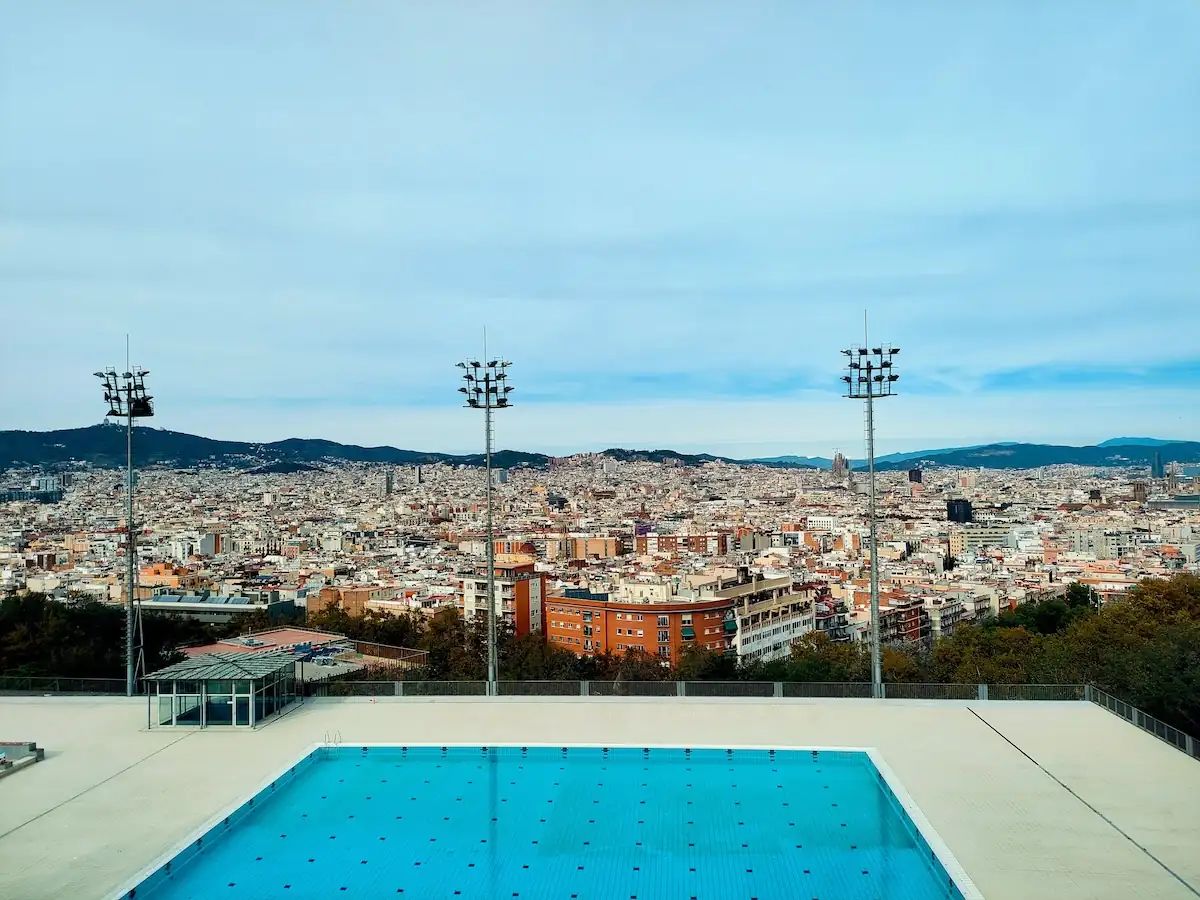
The new facility began receiving swimmers on Saturday 15 August and, from today, operates from 10:00 to 20:00 every day. It has a main pool measuring 25 by 16.5 metres, a smaller one and a sun terrace of more than 1,000 square metres. Its addition brings the municipal open-air offering to 16 in the middle of the second half of August.
The opening comes at a particularly timely moment. During July and August, facilities such as Can Dragó, Creueta del Coll and various municipal sports centres have recorded days of very high demand. The problem for people trying to arrange an impromptu swim is that Barcelona still does not have a single municipal system that allows them to check in real time whether a pool is full before travelling there.
The difference in prices also determines where each family can take refuge. The Creueta del Coll lake keeps a general admission price of 2.75 euros, while access to CEM Parc de la Ciutadella costs 18.73. Between those two extremes are facilities such as the Piscines Municipals de Montjuïc, with a general rate of 7.92 euros, or the Bernat Picornell, at around 13.64 euros.
Creueta, precisely because it is the most affordable option, has become one of the places where the pressure is most noticeable. Its swimming area admits a maximum of around 800 people, and this summer the high attendance has generated complaints from residents about queues and overcrowding.
The distribution is not the same across all of Barcelona either. Until La Sagrera opened, there were 15 uncovered municipal swimming pools spread across eight districts, while Eixample and Les Corts still have no open-air municipal facility of this kind. This territorial difference becomes more important when extreme temperatures turn swimming into something more than a leisure plan.
The pools are part of the network of more than 500 climate shelters deployed in Barcelona this summer, although entering the pool itself remains subject to each facility’s fees. Barcelona en Comú has called this summer for access to be free during heatwaves, a proposal that has reopened the debate over how to guarantee access without causing even more overcrowding.
From this week, the new La Sagrera pool offers some breathing space to a network under exceptional demand, but it does not solve every problem. For many families, deciding where to spend a hot afternoon still depends on three very specific factors: how much entry costs, whether there is room when they arrive and how far they have to travel to find water and shade.