
News
Essential plans for a first visit to Madrid
Some cities are visited with a list of monuments and others are discovered by walking. Madrid clearly belongs to the second group. Its charm lies not only in its museums, squares or historic buildings, but in the way all of this mingles with everyday life. The city changes according to the time of day, the neighbourhood you are in or even the season of the year.
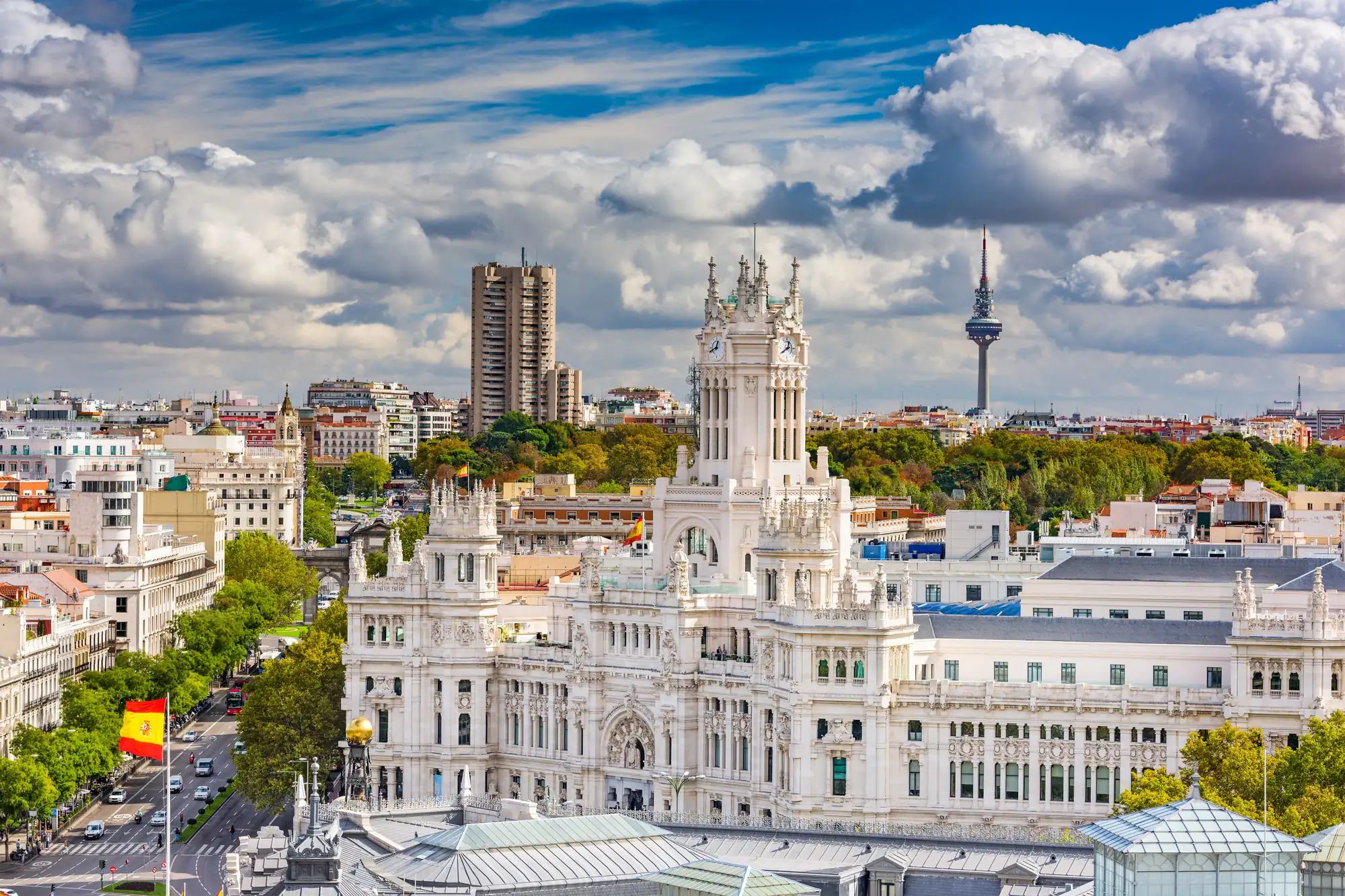
For a first-time visitor, the temptation is usually to try to see everything. Madrid is better enjoyed, however, by combining the essentials with small experiences that make it possible to grasp its true character. It is not only about ticking places off a list, but about understanding why millions of people fall in love with this city.
Starting the day where Madrid wakes up
The best way to begin a first visit is to join the rhythm of the city. Early in the morning, the historic centre still retains a certain calm before the large flows of visitors arrive.
From Puerta del Sol to Plaza Mayor, every corner holds fragments of Madrid's history. However, what is most interesting usually happens between these two points: cafés opening their doors, residents walking their dogs, shopkeepers preparing their businesses and terraces gradually beginning to fill up.
Madrid is understood particularly well on foot. Distances are reasonable, and every street tends to hide something unexpected: a centuries-old façade, a historic bookshop or a small square where the city seems to stop for a few minutes.
Art as part of everyday life
Few European cities have as natural a relationship with art as Madrid. Here, museums are not merely tourist attractions; they form part of the urban landscape.
The Museo del Prado, the Reina Sofía and the Thyssen-Bornemisza appear in virtually every guidebook, but visiting them means much more than looking at famous paintings. They are places where much of Europe's cultural history can be traced in just a few hours.
Even people who do not usually visit museums end up finding a work able to capture their attention. From the force of Goya's Black Paintings to the emotional impact of Guernica, art in Madrid can surprise without requiring prior knowledge.
Eating as Madrileños eat
Madrid's gastronomy is far more diverse than many visitors imagine. The city has absorbed influences from all over Spain and from numerous parts of the world, creating an almost inexhaustible offering.
Of course, there are classics worth trying. A calamari sandwich near Plaza Mayor or well-prepared patatas bravas are part of the experience. But Madrid is also discovered in neighbourhood bars, food markets and small restaurants where menus change with the season.
A good strategy is to leave room for improvisation. Very often, the best gastronomic discoveries appear on turning a corner without having looked for them beforehand.
Getting lost in neighbourhoods that tell stories
Every Madrid neighbourhood has its own personality. Changing areas is almost like changing cities.
Malasaña retains a creative, carefree spirit that attracts artists, students and entrepreneurs. La Latina maintains a traditional feel where terraces and squares remain centre stage. Chueca combines diversity, design and intense urban life.
For its part, the Barrio de las Letras invites you to walk without rushing. Some of the most important writers in Spanish literature lived here, and even today the streets retain that cultural atmosphere which seems to resist the passage of time.
The moment when Madrid turns golden
Few experiences are as simple and memorable as watching a Madrid sunset. When the sun begins to descend, the city changes colour and the buildings take on warm tones that completely transform the urban landscape.
The Templo de Debod remains one of the favourite places to experience this moment, although there are many other alternatives. Some rooftops make it possible to watch the lights of the centre come on while activity continues several floors below.
It is a perfect moment to stop, rest and observe the city without rushing.
A night that goes beyond dinner
Madrid has a special relationship with the night. It is not only about staying out late, but about the enormous variety of cultural offerings that appear when the sun goes down.
Theatres, concerts, shows and historic venues form part of everyday Madrid life. Among all these options, flamenco continues to occupy a prominent place in Spanish cultural identity.
For those visiting the city for the first time, attending a flamenco show in Madrid can become a particularly interesting experience. When it is enjoyed in spaces where the focus rests on the music, dance and performance, flamenco ceases to be a tourist image and shows all its artistic strength.
Right in the centre, Tablao La Quimera offers precisely that opportunity: to discover flamenco in an intimate setting, also accompanied by a gastronomic offering that makes it possible to complete the experience.
Madrid's best moments usually happen between plans
There is a curious paradox about Madrid. The most famous places are worth visiting, but many times the most intense memories are born between one plan and another.
They appear in an improvised conversation on a terrace, in a street that was in no guidebook or in a market where someone recommends a particular stall. Madrid has that ability to create unexpected moments that end up being more important than any photograph.
That is why a first visit should not focus only on seeing the city. What is truly interesting is living it. Wandering aimlessly for a while, trying something new, entering a place out of curiosity or staying to watch life unfold in any given square.
Because Madrid, more than a collection of monuments, is a city that is discovered little by little. And that is precisely why so many people end up wanting to return.