
News
The new Poblenou leaves some of its long-standing residents behind
Poblenou is undergoing a transformation that is noticeable in housing, shops and even the language on its terraces. The arrival of international residents and businesses aimed at a public with greater purchasing power is changing everyday life in the neighbourhood and pushing away some of those who grew up there.
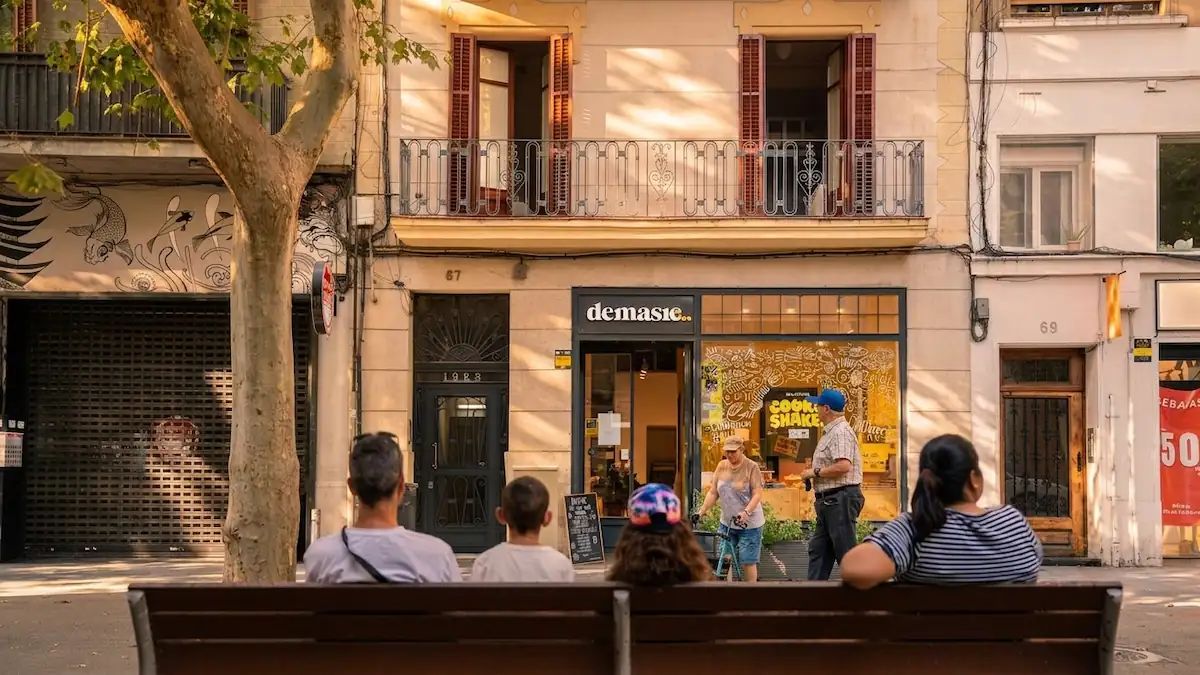
From early in the morning, the Rambla fills with laptops, speciality coffees and conversations in English or French. Many premises function as improvised offices for remote workers, while traditional bars lose ground to a more expensive offering aimed at new consumers.
The commercial change does not go unnoticed. Bilingual menus, high prices and shop windows designed for visitors or temporary residents have become commonplace. For some business owners, the formula works because it responds to growing demand; for many residents, it means no longer finding places to have breakfast or a drink without looking twice at the bill.
The feeling of distance also appears in everyday interactions. Older people who have lived in Poblenou for decades say they no longer recognise those walking along the Rambla and that there are fewer and fewer family businesses, local shops and places to meet familiar faces.
Housing weighs even more heavily than coffee. Many young people born in the neighbourhood have moved to other municipalities or more distant areas because they cannot afford the rents. The result is a slow replacement of the population: families with roots leave and households with higher incomes or shorter stays arrive.
The neighbourhood remains full of life, but not everyone takes part in it in the same way. While terraces fill up and businesses linked to leisure, technology or tourism grow, part of the neighbourhood feels that the new offering is no longer designed for their budget or their customs.
Poblenou has changed many times since its industrial past, but the current pace creates a different tension. Modernisation brings economic activity and new audiences, but it also accelerates the loss of reference points that gave continuity to neighbourhood life.
The Rambla remains the heart of Poblenou, only its beat no longer feels familiar to everyone. Between runners, tourists, open computers and residents looking for shade, the neighbourhood is moving towards a more international identity while part of its everyday memory is increasingly pushed to the margins.