
News
The change in leadership at MACBA sparks a crisis of confidence
The change in leadership at MACBA comes amid tension. Several associations from the art sector have denounced a lack of transparency in the selection process for the museum's new director, just before the Board of Trustees makes its final decision.
The criticism focuses not only on the name that may be chosen, but on the procedure. The signatory organisations consider that the rules do not guarantee a sufficiently clear, independent competition aligned with the good practices demanded by professionals in museums and art centres.
The statement is signed by the Catalan Association of Art Critics, the Association of Cultural Management Professionals of Catalonia and the Assembly Platform of Artists of Catalonia, with the support of the MACBA Works Council. All of them call for a review of how the directors of major cultural facilities are chosen.
Among the most questioned points is the absence of an independent international jury. For the associations, a museum with MACBA’s profile should have external voices able to assess projects with distance, experience and criteria comparable to those of other contemporary art centres.
They also criticise the composition of the assessment committee. According to the organisations, its members have been part of the museum’s General Council, which raises doubts about the independence of the process. In addition, they denounce the fact that the jury has an advisory role, with a voice but no vote, something they consider insufficient for a competition of this significance.
Another sensitive point is the lack of public, objective and measurable criteria from the outset. The associations maintain that candidates and the sector should know in advance how each application is assessed, how much weight the artistic project has and which requirements are truly decisive.
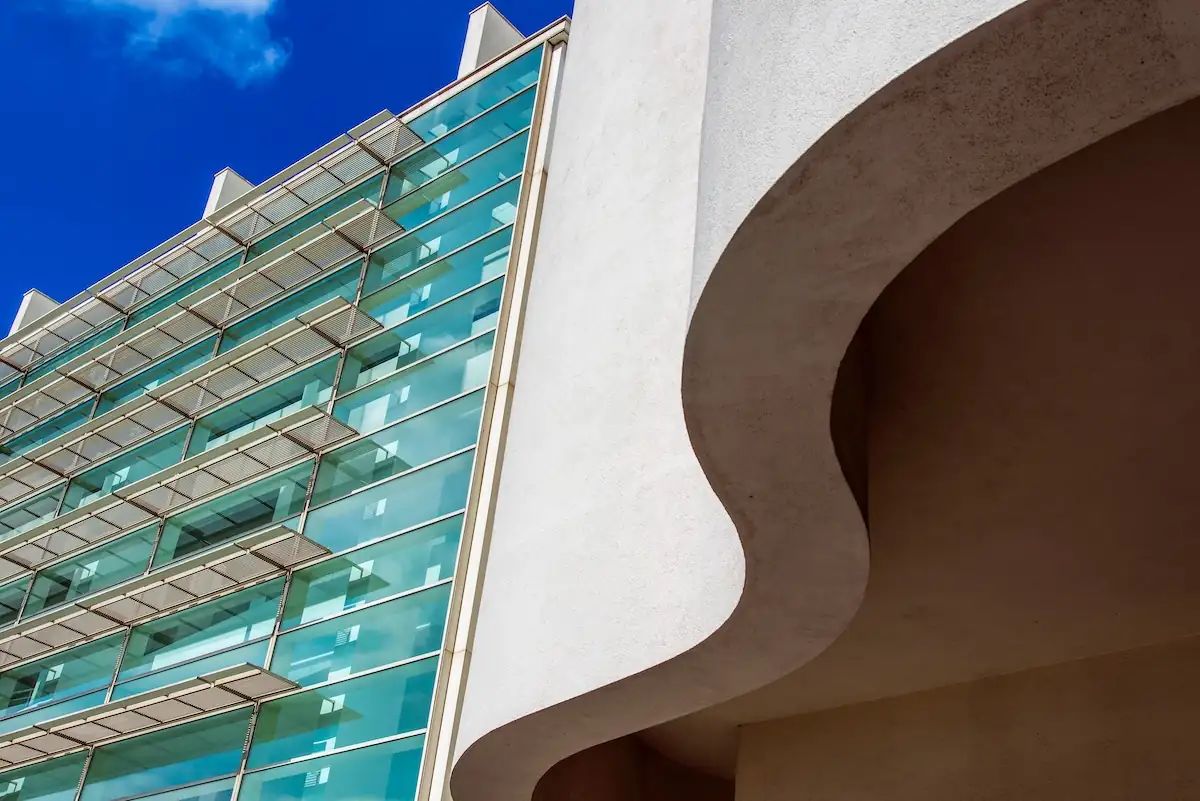
The debate directly affects Barcelona because MACBA is not just another museum. Located in the Raval, it sets much of the pulse of contemporary art in the city, influences the local scene and projects a cultural image outwards. Its director decides exhibitions, acquisitions, partnerships and priorities for the coming years.
The controversy leaves an underlying question: how should the people in charge of major public museums be chosen? Beyond the specific appointment, the MACBA case once again puts on the table the need for clearer, more open processes capable of generating confidence before the decision reaches the Board of Trustees as a closed matter.