
News
A remark by Madrid’s health minister sparks controversy amid the hantavirus crisis
The health crisis caused by the hantavirus outbreak has opened a new political front in Madrid. A remark by the Community’s health minister, Fátima Matute, during a television panel debate sparked an intense discussion this Monday about political tone and the public image of health officials while the alert is being managed.
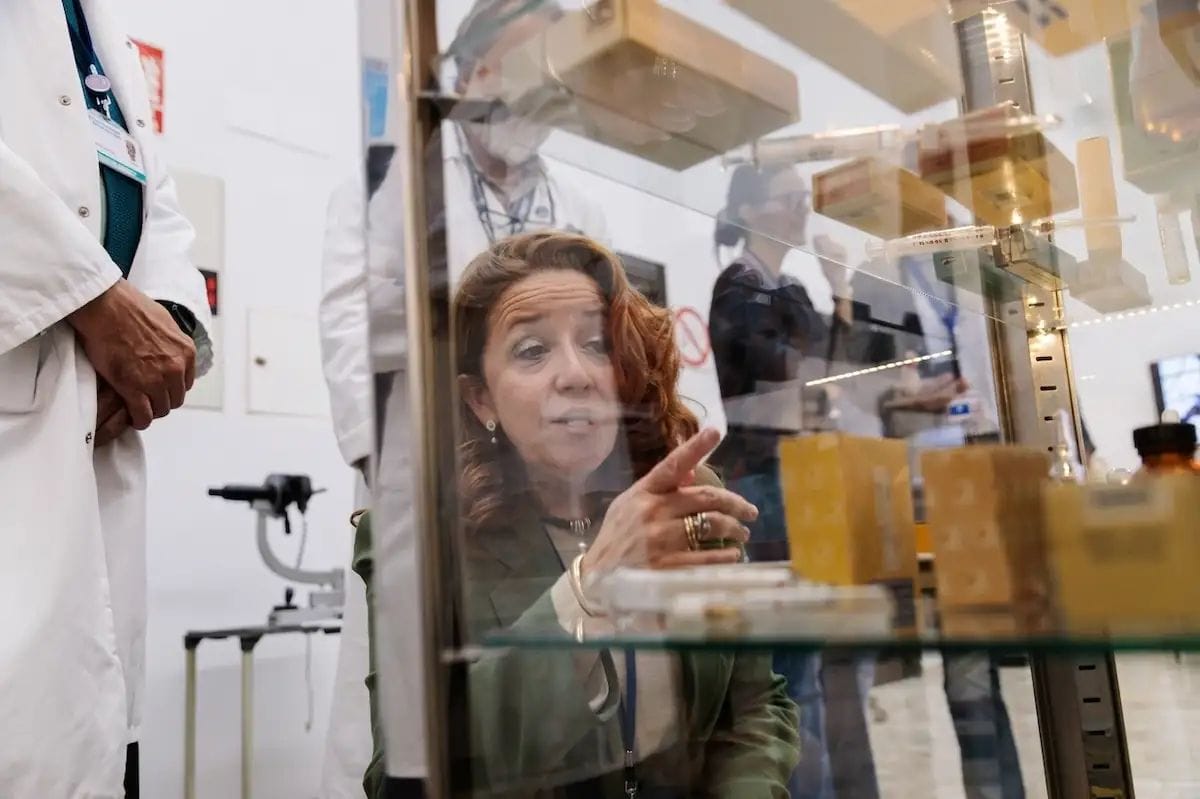
During the programme En boca de todos, Matute criticised the central government's actions and said that the Minister of Health, Mónica García, “melted while looking at the WHO doctor”, referring to the visit by the organisation's director, Tedros Adhanom. The phrase prompted an immediate reaction in the studio and on social networks, where several voices described it as a sexist comment.
Former Sumar adviser Marta Sanchiz responded live, accusing the councillor of using inappropriate language with gender connotations. Matute rejected that interpretation and argued that it was only a colloquial expression within a political debate marked by institutional tension around healthcare management.
The controversy also comes at a particularly delicate time for the authorities. Madrid continues to coordinate part of the operation linked to the outbreak detected on the MV Hondius cruise ship, while several European countries maintain surveillance measures following confirmation of some positive cases among evacuated passengers.
The management of public communication has become a key element during this crisis. In a context where health alerts generate constant concern and attention on social networks and in the media, any political statement takes on a much more sensitive dimension and can alter public perception of coordination between administrations.
The clash also reflects the political climate that usually surrounds major health emergencies in Madrid. The relationship between the central government and the Community is once again becoming strained around issues related to leadership, management and media exposure, especially when the crisis fills daily headlines and keeps the focus on institutional action.
In a city where millions of people follow health news almost in real time, political communication also becomes part of crisis management. Madrid thus once again finds itself in a setting where public health, political debate and media pressure move forward at virtually the same pace.