
News
Why seat belts can increase risk on high-speed trains
A seat belt protects in certain impacts, but can be harmful to other passengers. The flexible design of the seats also plays a role. A British study assessed these risks over five years. Its findings explain why the system is not mandatory.
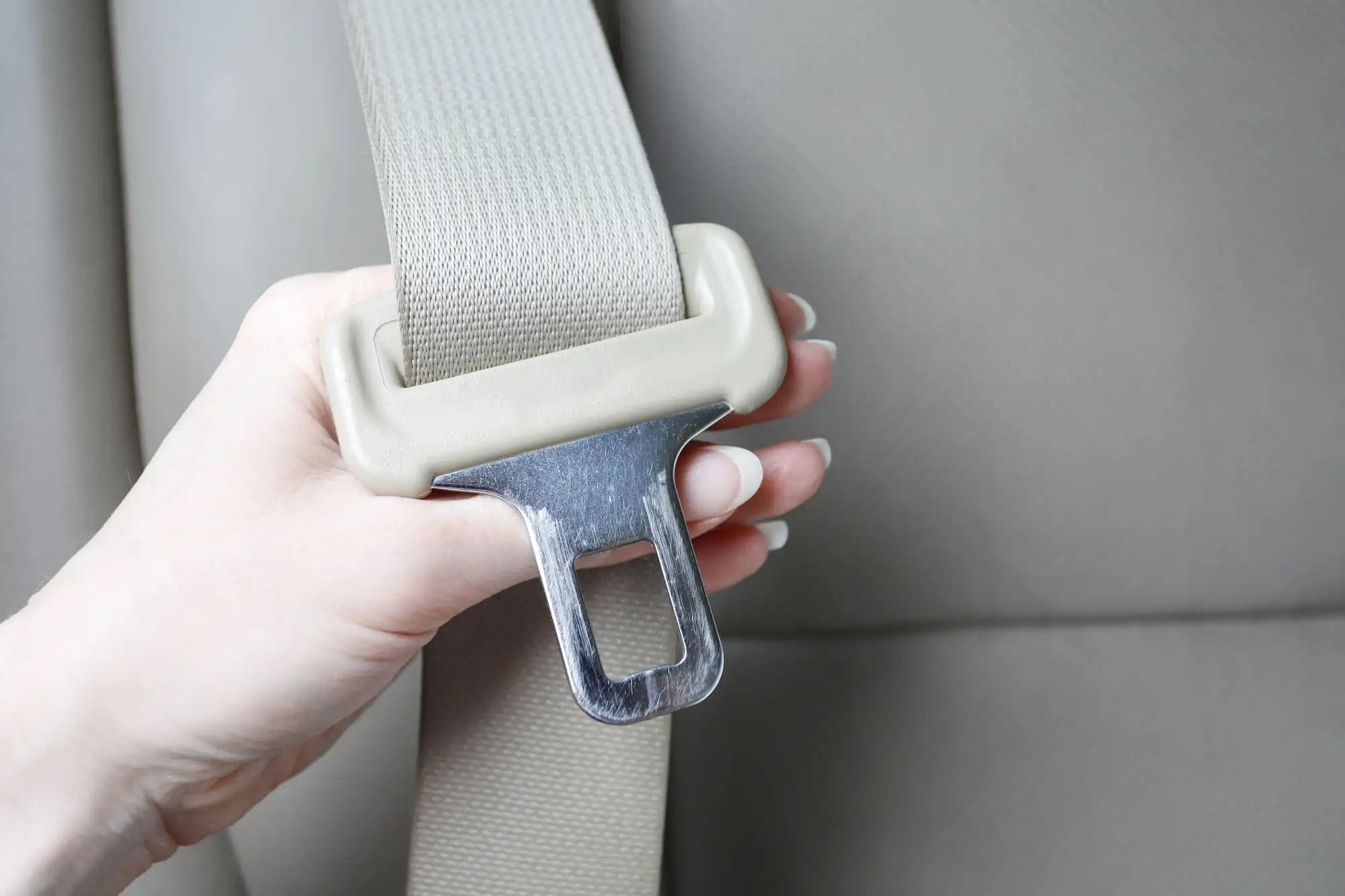
In tests with three-point seat belts, reinforcing the seat improved protection for those who were strapped in, but made some outcomes worse for passengers who hit the seatback in front of them.
The difference lies in how the seat responds during an impact. A seatback designed to deform in a controlled way can absorb some of the energy; making it more rigid to withstand the loads from the belt changes that response.
And there is another risk.
If a carriage suffers severe deformation, the restrained passenger could end up inside an area where the survival space has been reduced or destroyed. The researchers included that scenario in their assessment, along with the possibility of preventing someone from being thrown out.
The research by the British railway safety body RSSB was carried out over five years and concluded that the systems analysed did not offer a real benefit under the conditions studied. For that reason, the Unión Internacional de Ferrocarriles (UIC), which develops standards and recommendations, does not make the use of seat belts mandatory. The conclusion does not rule out that they may offer protection in certain accidents: it indicates that this advantage may be offset by the risks that arise in others.
In railways, the seat also plays a role in protection during an impact. Its ability to deform in a controlled way is part of that design. Adding a seat belt requires the structure to withstand new loads. That is why the results depend on the set of conditions evaluated in each system.