
News
Pride Barcelona 2026 takes over the centre with concerts and a march
Barcelona has already launched one of the summer's most eagerly awaited events. Pride Barcelona 2026 will fill the city with activities, music and activism until mid-July, with a programme running for several weeks and its busiest days in the city centre.
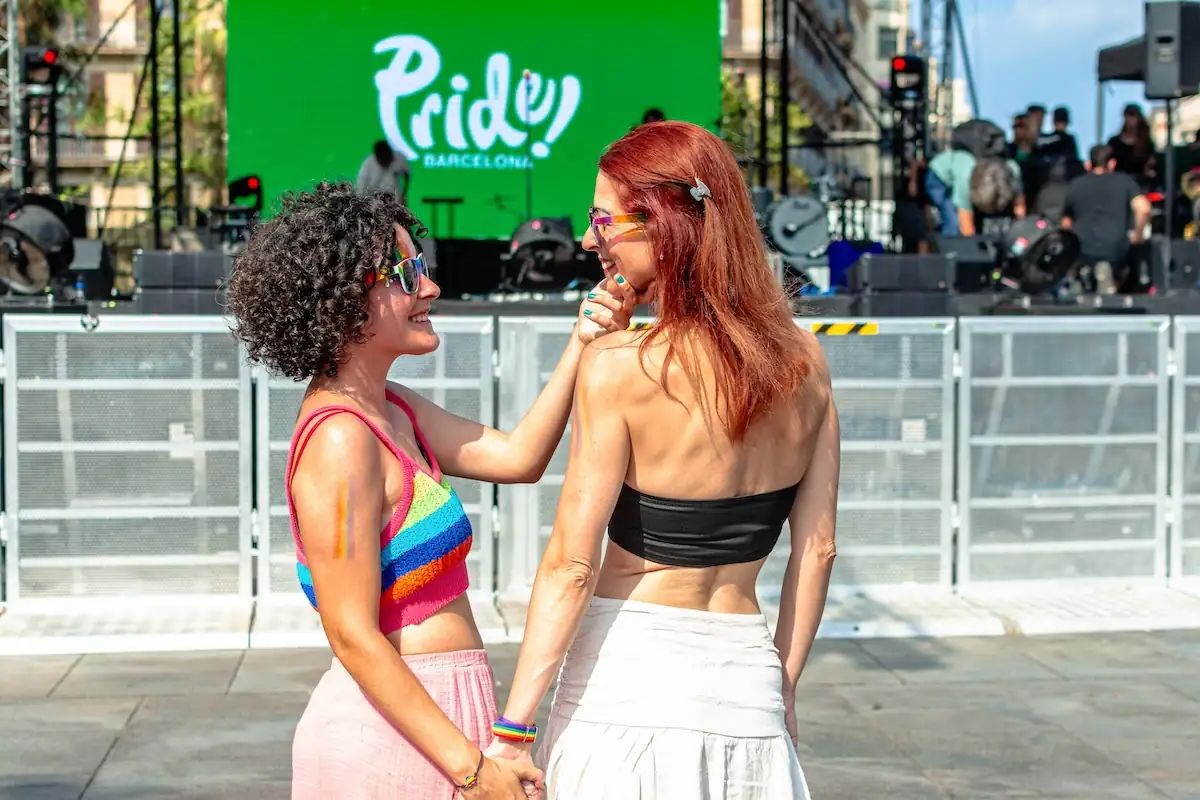
The celebration combines social events, cultural offerings, parties, concerts and meeting spaces for the LGTBIQ+ community. It is not just one big weekend, but an extensive calendar that seeks to spread activity across different days and formats.
The period of greatest attendance will come between 16 and 18 July, when Pride will move in force into the heart of Barcelona. Plaça Universitat and the Passeig de Lluís Companys, beside the Arc de Triomf, will be the two main stages of the final stretch.
The main march will be held on Saturday 18 July from 18:00. The route will start in the vicinity of Plaça Universitat, proceed along Gran Via, pass through the Tetuan area and go down the Passeig de Lluís Companys until it reaches the Arc de Triomf.
It will be the most symbolic and largest event of Pride Barcelona. As every year, the march will combine celebration and advocacy, with organisations, floats, collectives, music and thousands of people occupying public space to defend rights, visibility and diversity.
Before that day, the programme will include social and cultural activities spread across the city. One of the highlights will be Vermut Trans, scheduled for 11 July on Ronda de Sant Antoni, conceived as a space for meeting, memory and community.
Music will play a central role in the programme. On 16 July, Plaça Universitat will host performances such as those by Sandra Monfort, Ferrxn and María Peláe, on a night that will serve to warm up before the big weekend.
On Friday 17 July, activity will be divided between the two main stages. The line-up includes names such as Sombra Alor, Clean Bandit, Papa Topo and Turista Sueca, with offerings ranging from electronic pop to more festive and queer sounds.
On Saturday 18, after the march, the celebration will continue with more concerts and performances. Gala, Martin and Las Glorietas Cabareteras will form part of the musical finale of a day designed to extend the spirit of advocacy into the night.
Village Pride in Plaça Universitat will act as a meeting point during the central days. Activities, a festival atmosphere, organisations and people wishing to experience Pride beyond the march will gather there.
For Barcelona, Pride is also a test of urban coexistence. The centre will gain activity, but there will also be more pressure on public transport, access, residents' rest and pedestrian mobility in areas such as Universitat, Gran Via, Tetuan and Arc de Triomf.
The event comes at a time when the city wants to strengthen its role as an LGTBIQ+ benchmark in Europe. The bid to host WorldPride 2030 adds an international dimension to a celebration that already attracts residents, visitors, organisations and activists every year.
Pride Barcelona 2026 will once again turn the streets into a space for celebration, memory and protest. Music and colour will occupy the centre, but the underlying meaning will remain the same: to demand a city where diversity is not only visible for a few days, but recognised throughout the year.