
News
What you learn at a first wine tasting in Madrid: a guide for beginners
Do you need to know grape varieties to attend a wine tasting? Not at all. No one becomes a sommelier in a single session, but it is possible to understand why two wines that seem very similar offer completely different sensations. We explain what a first wine tasting in Madrid is like, what a beginner usually discovers and what knowledge you can take away from the first glasses.
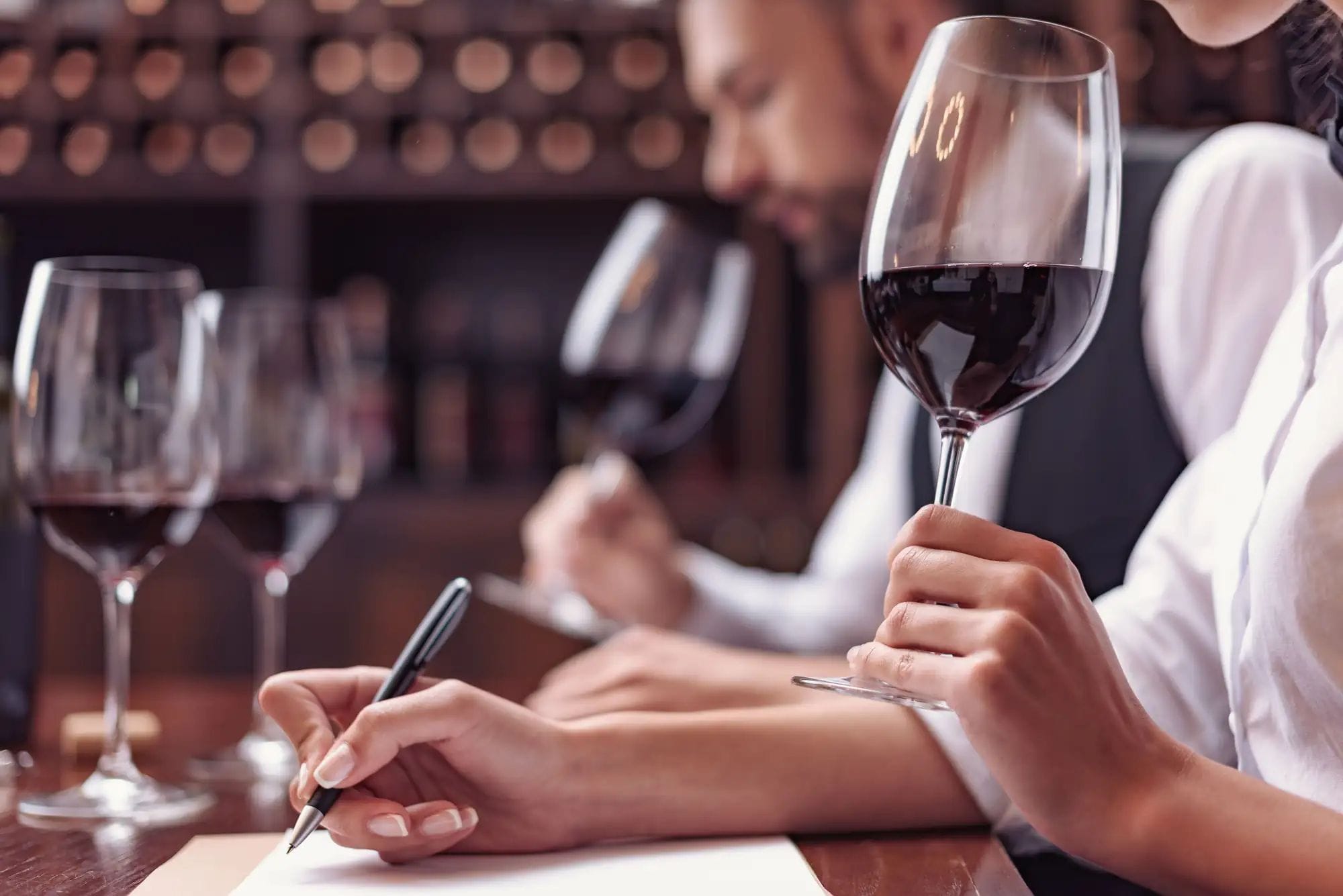
Many people put off their first wine tasting because they believe that, without knowing grape varieties, wine regions or specialised terminology, they will feel out of place. However, exactly the opposite happens. These experiences are designed not only for people already interested in wine, but also for those who want to discover it and better understand its particularities without needing prior knowledge or technical jargon.
Do you need to know about wine?
The answer is simple: no. At a first tasting there are usually participants with very different profiles. Some already have an interest in the world of wine, while others simply want to learn to distinguish a white from a red beyond their personal preferences. There is no need to know grape varieties, wine regions or master specialised vocabulary.
Most tastings are set up as a conversation. The person leading the session explains the concepts clearly, encourages participants to compare the wines and answers the questions that arise during the activity. It is not about memorising terms or finding the correct answer, but about learning to observe and describe what each person perceives.
To see what a person without previous experience can learn, we attended a session organised by Cata de Vinos Madrid.
How a tasting begins
The session begins with a brief introduction and an explanation of how the experience will unfold. Each participant has several glasses ready on the table, which will be used to taste six different wines. The order is not accidental: normally, the lighter wines come first and the more intense ones last so that each can be appreciated clearly.
The tasting proceeds without haste. Before tasting each wine, the sommelier explains which aspects are worth observing and encourages the group to share their impressions. It is not a masterclass, but a participatory experience in which questions are part of the conversation.
What you learn by looking at the wine
The first step is to observe the wine before bringing the glass to your nose. At a glance, differences in colour, brightness and clarity can already be seen, helping you understand each wine better.
Young wines tend to have more vivid colours, while wines with more ageing show more developed shades. Colour intensity can also offer clues about the structure the wine will later have in the mouth. It is not about drawing definitive conclusions, but about beginning to relate what is seen to what will later be perceived when smelling and tasting the wine.
What you discover by smelling it
The next step is to discover the aromas. One of the first things learned is that smelling a wine and recognising its aromas are two different things. There is no need to identify specific notes from the outset; it is enough to distinguish whether fruity, floral, spicy, toasted or mineral aromas predominate.
Photo by depositphotos
Before each assessment, the glass is gently swirled to oxygenate the wine and encourage new nuances to appear. It is a simple gesture, but it notably changes the intensity of the aromas.
It also becomes clear that two people can perceive different things in the same glass. While some identify ripe fruit, others find citrus notes, flowers or spices. That difference is part of the experience and shows that the sense of smell is also shaped by memory and personal experiences.
What happens in the mouth
Then comes the moment to taste the wine. This is when concepts such as acidity, tannins, sweetness, body or persistence stop sounding technical and begin to make sense.
Acidity brings freshness and makes the wine livelier. Tannins, found above all in red wines, create a slight sensation of astringency. Body describes the sensation of volume the wine leaves in the mouth, while persistence indicates how long flavours remain after each sip.
More than memorising definitions, the tasting makes it possible to understand these differences by comparing several wines one after another. This exercise makes it much easier to recognise why some are light and fresh, while others are perceived as more structured or intense.
Wines and food pairing
The experience includes six wines accompanied by Iberian products, a combination designed to show how food can completely alter the perception of a wine.
Throughout the tasting, different styles are usually tried, from fresh whites to fuller-bodied reds, making it easier to appreciate the contrasts between them. One of the most interesting exercises is to taste a wine again after pairing it with Iberian ham or cured cheese. In many cases, the acidity is perceived as more balanced, the tannins are softer and nuances appear that had gone unnoticed in the first sip.
Common beginner mistakes
Most people attending a tasting for the first time make very similar mistakes. The most frequent is to think there is only one correct answer and try to identify exactly the same aromas mentioned by the sommelier. In reality, each person perceives wine differently, and that diversity is part of the experience.
It is also common to try to find every nuance from the first glass. Over time, one learns that it is not necessary to recognise every aroma to enjoy a tasting. It is much more useful to pay attention to the differences between one wine and another.
Another common mistake is drinking too quickly. A tasting invites you to pause, return to previous glasses and compare how sensations change. Likewise, it is advisable not to confuse personal taste with the quality of the wine: a well-made wine may not fit everyone’s preferences.
Finally, many beginners feel intimidated by the vocabulary. However, terminology is understood naturally as the different wines are tasted. The important thing is not to learn a technical language, but to develop the ability to observe and describe what is perceived.
Who is this experience for?
Photo by depositphotos
A wine tasting is a good option for those who want to take their first steps into the world of wine without needing prior knowledge. It is also interesting for people keen on gastronomy, as it helps them better understand the relationship between wine and food.
It is a common plan for couples and groups of friends, but also for those who prefer to attend alone. The atmosphere is usually participatory and encourages conversation among attendees, so there is no need to come accompanied to enjoy the experience.
What is more, it can be a different way to discover Madrid’s gastronomic offering, both for people who live in the city and for those visiting it and looking for a cultural plan related to wine.
Editorial assessment
More than teaching participants to recognise dozens of aromas or turning them into experts, a first tasting helps change the way people approach wine. Concepts that initially seem complex, such as acidity, tannins or persistence, begin to be understood much more practically when several wines are compared in a single session.
One of the most interesting aspects is the educational approach. The experience is designed so that anyone can follow the explanations without feeling lost, regardless of their prior knowledge. At the same time, the participatory format invites people to ask questions, share impressions and discover that there is no single way to interpret a wine.
As a point to bear in mind, those seeking more technical or in-depth training will probably need specific courses. However, as a first introduction to the world of wine, the experience offers a clear, enjoyable and easy-to-follow introduction.
Practical information
Location: C/ Huertas, 11, Madrid.
Duration: approximately 1 hour.
Format: tasting of six wines accompanied by Iberian products.
Languages: depending on the session.
Minimum age: 18 years.
Advance booking: compulsory.
Indicative price: from €15 per person.
Accessibility and conditions: it is advisable to check the up-to-date information when booking.