
News
Ràdioactius turns ten and is still looking for its own space in Poble-sec
Ràdioactius marks a decade in Poble-sec with community-made programmes and six radio plays based on local residents' testimonies. The lack of a permanent base means they have to keep searching for a space to continue growing.
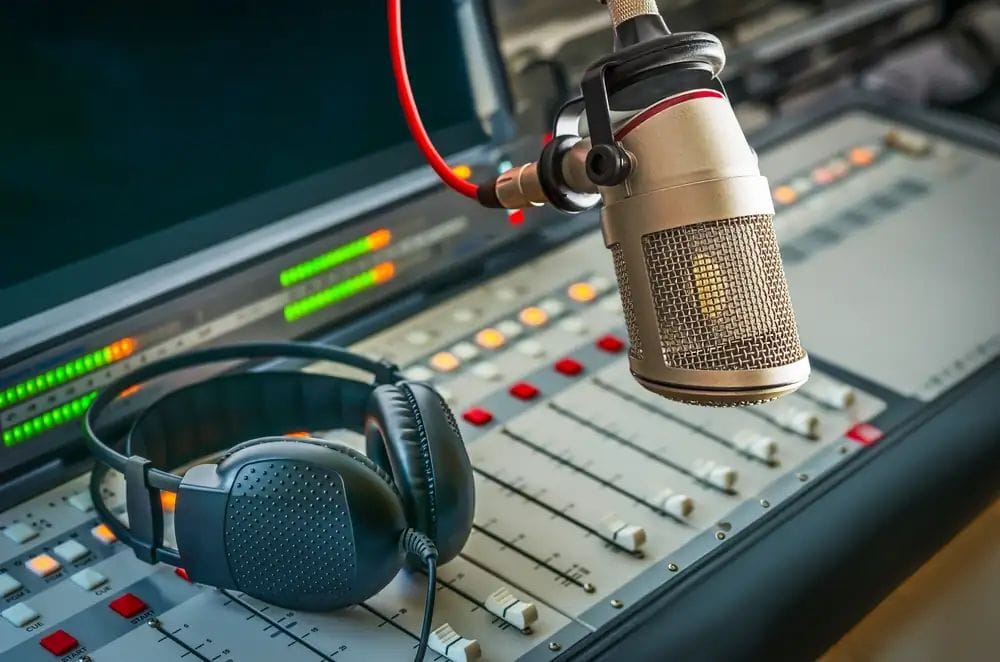
The neighbourhood community radio gives a voice to local residents and creates radio plays based on real stories
Ràdioactius’ biggest limitation can be summed up in one sentence: it doesn’t have its own premises. The group has to travel to meet and record, and this lack of a dedicated space has already led them to turn down some projects.
Since the pandemic, BiblioMusiCineteca has hosted them. They also use the Centre Cultural Albareda, which they consider their second home, as well as other facilities. Their wish is to have a permanent place where they can leave their equipment set up; Casa de la Premsa is one of the options that have been discussed.
Radio plays born from neighbourhood stories
Six radio plays are part of the group’s repertoire. They are based on real testimonies from local residents: the group contacts people who want to share their story, prepares the script, and invites them to play the roles. Sometimes, the process also becomes a kind of group therapy experience.
One of these pieces is No al olvido, which has already been performed several times in the neighbourhood. The initiative has received thanks from the Coordinadora d’Entitats del Poble-sec y Baixem al Carrer.
An assembly-based radio that gives a voice to more residents
The association was founded in 2016 as a project of the community plan. In 2019, its members began considering becoming a formal entity; the bureaucratic process was long, but they managed it. Now, as they reach ten years, they maintain the goal they started with: building community through radio.
Among the voices they want to include are those of older people, as well as migrants and the LGTBI community. Ràdioactius defines itself as feminist and assembly-based: every Monday they meet to make decisions and record at least two programmes a month, focusing on neighbourhood issues or proposals from residents and organisations.
According to the group, the diversity of backgrounds, ages, and ways of thinking has created a small family. Their main audience is the Poble-sec neighbourhood, although their programmes also cover city-wide topics such as LGTBI pride and fatphobia. Housing is also a recurring theme.
Learning at the microphone and the mixing desk
Ràdioactius also serves as a school for those who step up to the microphone or sit at the mixing desk. The group organises training sessions and workshops, and collaborates with organisations from the neighbourhood and other European cities.
Their activities reach the main festivals and community days. They also take part in cultural initiatives and projects such as creating an audiobook. Among their recognitions is the Premi Sants-Montjuïc for innovation.
The association continues to meet in borrowed spaces while searching for a permanent place to set up their equipment and take on more projects.