
News
Raquel Lacuesta reveals Gaudí's playful and creative side in Barcelona
Barcelona rediscovers Antoni Gaudí from a lesser-known perspective that could change the way you explore the city. Art historian Raquel Lacuesta suggests moving away from the architect's solemn image to understand him as an intuitive, experimental creator deeply connected to everyday life.
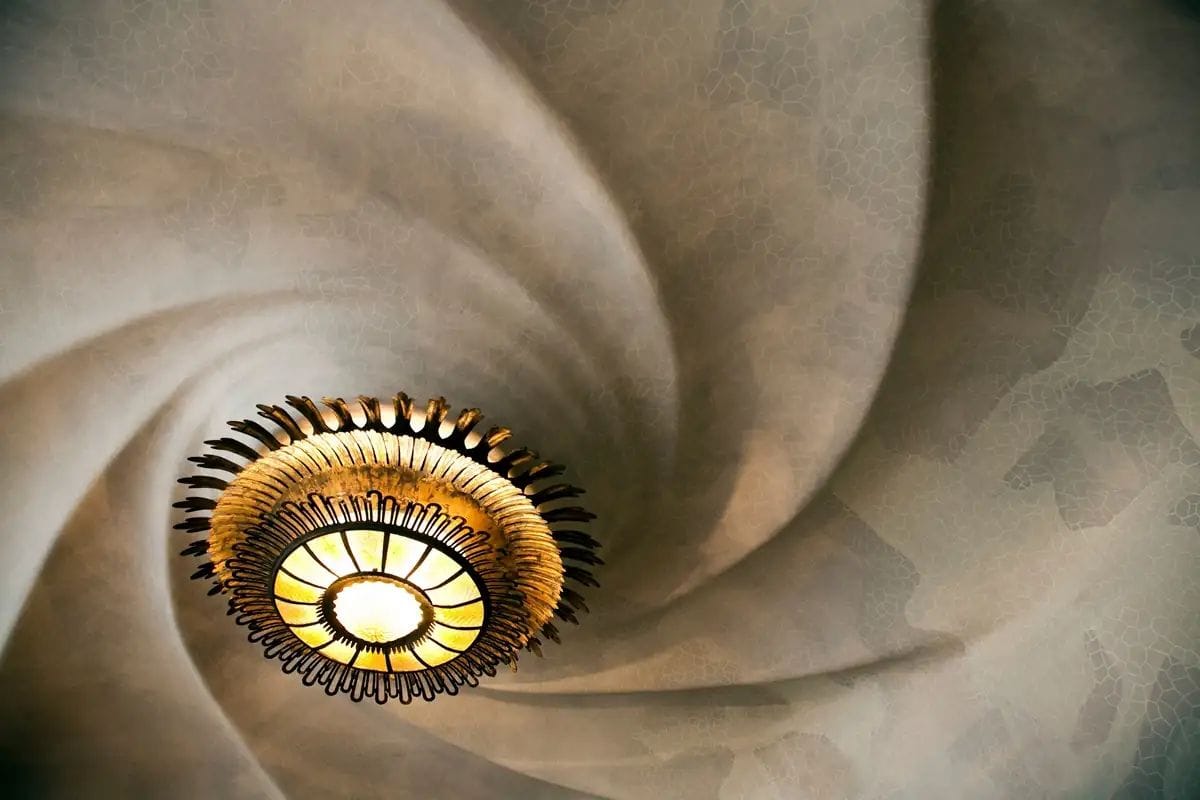
For Lacuesta, Gaudí’s value lies not only in his spiritual or symbolic dimension, but in his ability to play with architecture. His works combine forms, materials and rhythms as if they were music, creating a sensory experience that continues to surprise those who walk around Barcelona.
The expert arrived at this approach through Cèsar Martinell, a direct disciple of Gaudí, with whom she explored lesser-known aspects of modernism. These include the so-called “wine cathedrals” and the connection between architecture and landscape, elements that rarely appear in more traditional accounts.
This reinterpretation invites us to look at iconic buildings with different eyes. Places such as the Sagrada Família, Casa Batlló and Park Güell cease to be merely monuments and become living examples of experimentation, where nature, geometry and imagination coexist without rigid rules.
Beyond tourism, this vision connects with the city’s own identity. Modernism was not just a style, but a way of understanding Barcelona as a space in constant transformation, where creativity plays a central role.
If you live in or visit Barcelona, this perspective changes the experience: it is not just about seeing monuments, but about understanding how the city was designed to be lived in, explored and enjoyed. Gaudí ceases to be a distant symbol and becomes part of the everyday rhythm.