
News
Record in Boumort: 13 new chicks consolidate the black vulture in the Lleida Pyrenees in 2025
The black vulture is becoming established again in the Lleida Pyrenees. In 2025, the Boumort colony broke birth records. Sixty-seven per cent of specimens were born in the reserve. The species remains classified as vulnerable.
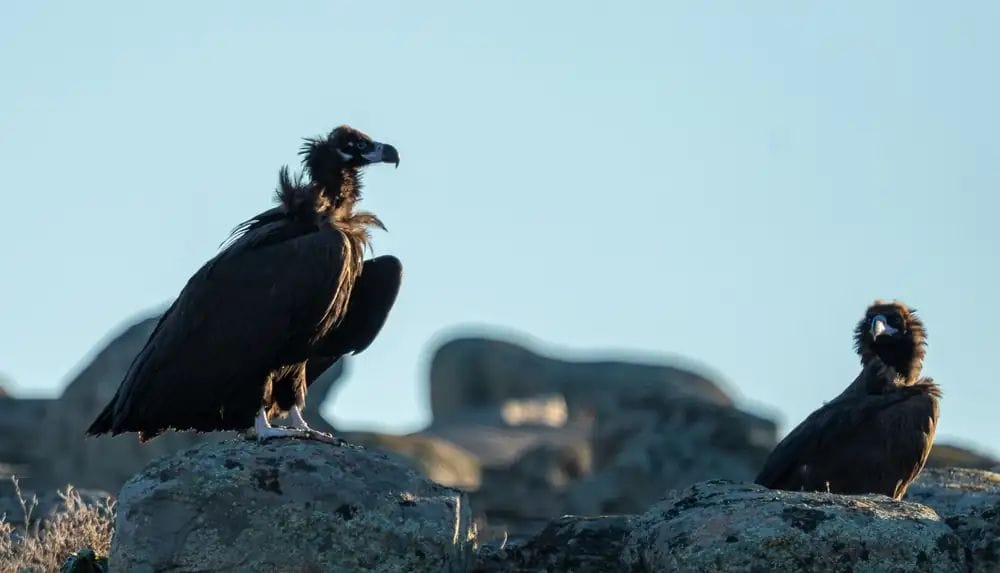
The black vulture is once again consolidating its presence in the Lleida Pyrenees. In 2025, the Boumort colony broke birth records. 67% of the specimens have now been born in the reserve. The species remains classified as vulnerable.
The recovery of the black vulture in the Lleida Pyrenees marks a milestone for Catalan biodiversity. In 2025, the Boumort National Hunting Reserve recorded thirteen new chicks, a figure above the average of the last fifteen years and one that consolidates the presence of this species in the area. For those living in Barcelona and closely following the evolution of native wildlife, this progress is hopeful news in the fight to conserve threatened species.
At present, 67% of the black vultures living in Boumort were born in the colony itself, indicating a key generational shift. Of the 66 specimens counted last year, 44 were born in the reserve, 14 were reintroduced and the rest come from other regions of the peninsula and France. The chicks' fledging rate reached 71%, while productivity stood at 63%, figures that reflect the success of the reintroduction project begun in 2007.
Food management has been fundamental to this achievement. In 2025, more than 15,000 kilos of carrion were distributed at supplementary feeding sites, which not only supports the vultures' survival but also helps reduce CO₂ emissions by avoiding the incineration of dead animals. These feeding sites, located in Pallars Jussà, Alt Urgell and Boumort, strengthen links between the specimens and make it easier to monitor dispersing young birds.
GPS tracking has made it possible to observe surprising movements, such as that of a juvenile that set off towards Africa and another that travelled through Extremadura before returning to Boumort. These movements help to better understand the species' behaviour and identify possible threats to its survival.
The black vulture, one of Europe's four large scavenging raptors, disappeared from the Pyrenees at the end of the 19th century. Its reintroduction in Boumort seeks to create a biological bridge between French populations and those in central and south-western Iberia, improving genetic diversity and reducing the risk of extinction. Although the species remains classified as vulnerable, the results of recent years invite optimism and reinforce the importance of maintaining and expanding these conservation projects.
The Boumort National Hunting Reserve has become a benchmark for the recovery of threatened species in Catalonia. This natural area, located between Pallars and Alt Urgell, stands out for its ecological richness and for hosting pioneering initiatives in wild fauna management. The stable presence of the black vulture not only revitalises local ecosystems, but also positions Boumort as a key site for research and environmental education in the Pyrenees.
Updated: 5 March 2026, 20:08
The DondeGo editorial team has updated this information with the complete data from the 2025 assessment in Boumort: 13 chicks, 67% of specimens born in the colony, and productivity and fledging figures, in addition to support through supplementary feeding and GPS tracking. The progress is relevant for conservation in Catalonia and for understanding how a vulnerable species is becoming established in the Lleida Pyrenees.