
News
Samur Social to provide water, food and showers during the hottest hours of the day
Madrid begins June with a measure that no longer seems exceptional: opening spaces to protect people from the heat. Starting this Monday, the City Council will launch the Campaña del Calor de Samur Social, coinciding with level 2 risk declared by Salud Pública and temperatures that force a different view of the streets, especially for those without a home to take shelter in.
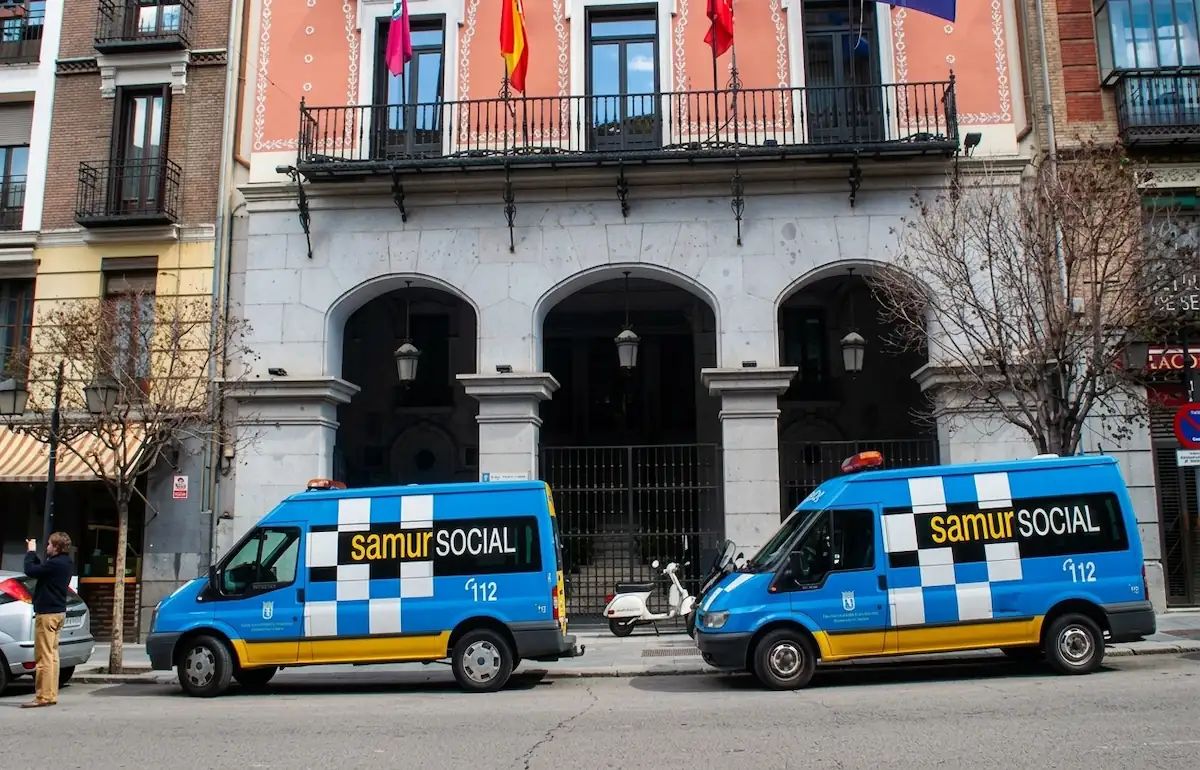
The service will operate at the Samur Social headquarters, at 10 San Francisco, from 12:00 to 20:00, right during the toughest part of the day. There, hydration, lunch, showers, and professional support will be offered to people living on the street or in situations of particular vulnerability.
The resource is not just a cool room. If demand increases, the City Council may also activate the Centro de Acogida de Emergencia de Vallecas as an additional space. The idea is to have room to respond if high temperatures persist or if more people need shelter during the day.
Street teams will also step up their rounds to locate homeless people and offer support, information, and referral to resources. On extremely hot days, a bench in the sun, a backpack without water, or several hours without shade can become a serious problem, especially for those already dealing with health issues.
The campaign also includes measures for older people. This summer, most districts will open two or more centres for older people daily in July and August, and monitoring will be increased for users of Teleasistencia, Ayuda a Domicilio and Domicilio y Comida. The aim is to detect risk situations earlier: people living alone, very hot homes, or difficulties staying hydrated and going out to shop.
There will also be specific protocols in nursery schools, municipal camps, and services with outdoor workers. Madrid is not just trying to react when a heatwave arrives; it is starting to adapt its public routines to a summer that comes earlier and hits harder each year.
This measure matters because heat does not affect everyone equally. For many residents, it means looking for a shaded terrace or turning on the air conditioning. For others, it can mean spending eight hours on the street, sleeping badly, not having a shower, or depending on someone to warn them before their body gives out. This is where a city is tested on more than just comfort: it is about its ability to care for those with the least means to protect themselves.