
News
Renfe Catalunya changes course: new management for Rodalies trains
The Rodalies service in Catalonia has a new person in charge. The change aims to improve coordination and efficiency. The daily mobility of thousands of Barcelona residents could be affected. A new stage for rail transport in the city.
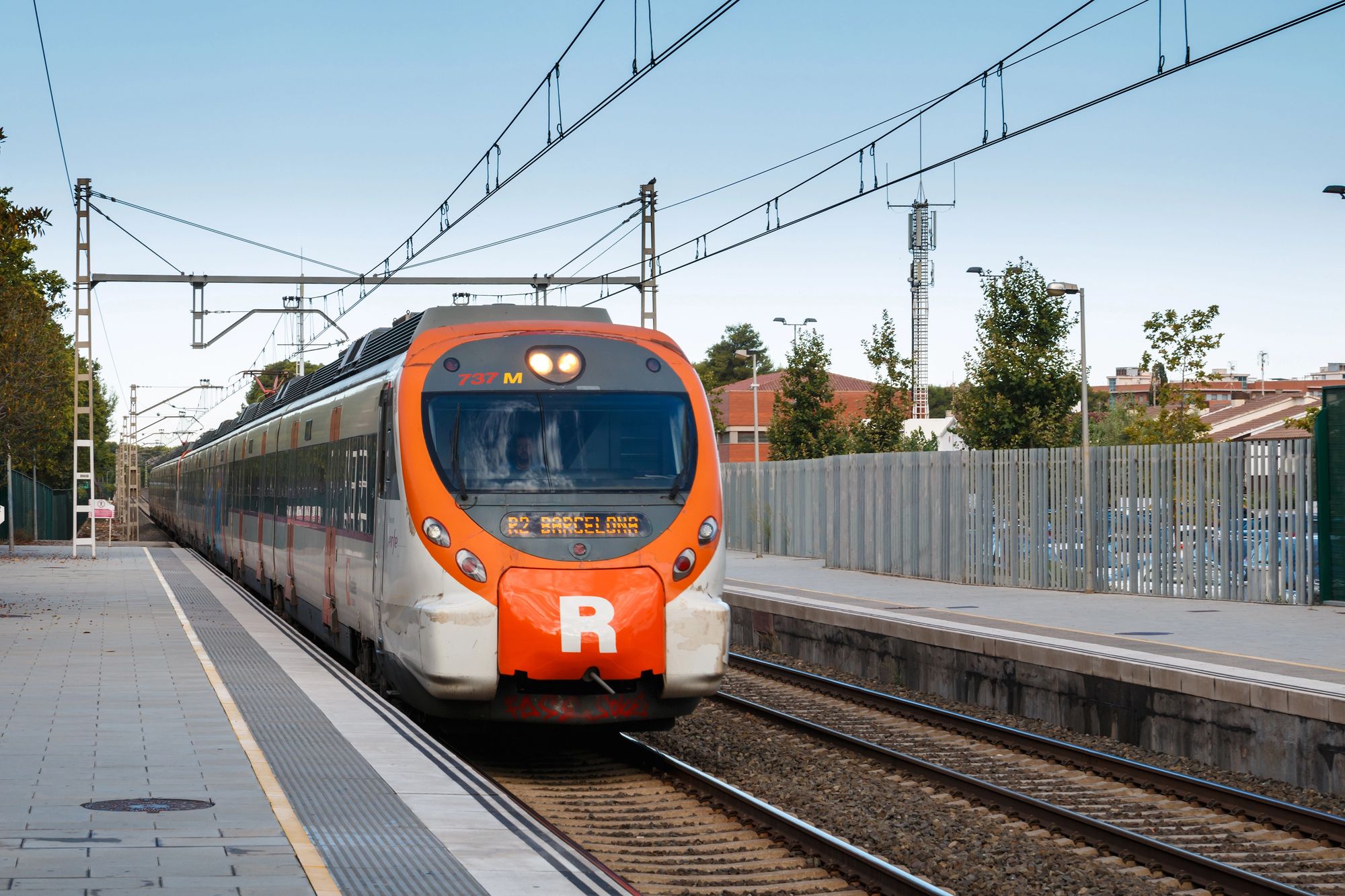
The Rodalies service in Catalonia has a new person in charge. The change aims to improve coordination and efficiency. The daily mobility of thousands of Barcelona residents could be affected. A new stage for rail transport in the city.
The day-to-day lives of those who depend on Rodalies in Barcelona could see notable changes following the appointment of a new person to manage Renfe Catalunya. The decision, which directly affects the management structure, aims to transform the coordination and efficiency of the trains connecting the city with its metropolitan area and the rest of the region.
The recently confirmed news places at the head of Renfe Catalunya the executive who was already leading the Rodalies joint venture. This move seeks to strengthen the operation of an essential service for the thousands of people who fill the platforms at Sants, Passeig de Gràcia or Clot-Aragó every morning. The new management structure is presented as a commitment to reducing incidents and improving punctuality, two of the Catalan rail system’s longstanding challenges.
The change comes at a key moment, with urban mobility at the centre of debate and growing pressure on public-transport infrastructure. Regular users hope that this reorganisation will translate into more reliable journeys and a more comfortable travel experience. The development of this new management model will be closely watched by those who consider Rodalies a fundamental part of their daily routine.
Rodalies is much more than a simple train service: it is the backbone of mobility in the Barcelona metropolitan area. Every day, hundreds of thousands of passengers rely on its lines to travel between neighbourhoods, municipalities and workplaces. The complexity of its network, the age of part of its infrastructure and high demand have made managing it a constant challenge. Improving punctuality and service quality is one of the public’s main demands, especially in a city that aims to reduce the use of private vehicles and move towards more sustainable mobility.