
News
Renfe compensates passenger for travelling without air conditioning in the middle of July
An AVE journey between Zaragoza and Barcelona turned into a claim lasting almost three years. A passenger has secured a €31.90 refund from Renfe after travelling in July 2023 in a carriage without air conditioning, at the height of the hot season.
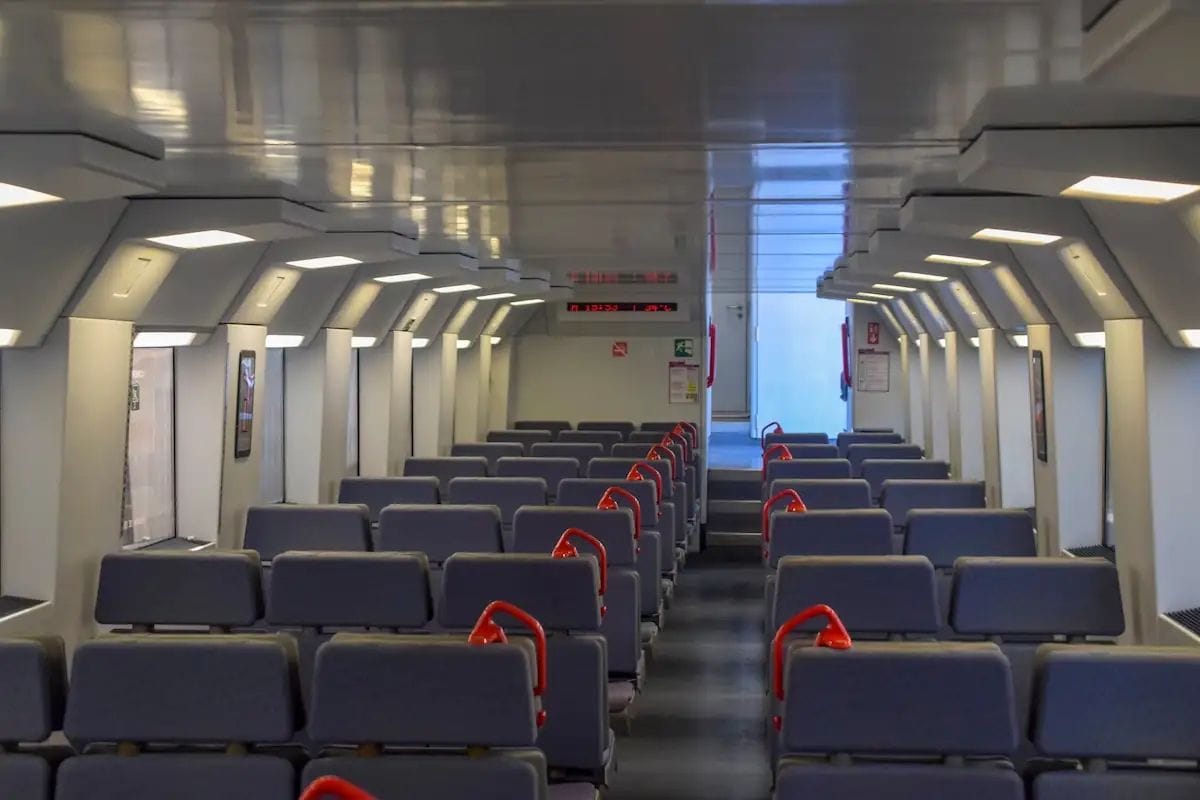
The incident was no minor matter for those travelling in that carriage. The air-conditioning system stopped working during the journey and passengers had to endure high temperatures inside the train, precisely in one of the toughest months of summer.
The affected passenger sought compensation from Renfe for the conditions of the journey, but the process took much longer than expected. Finally, after intervention by Facua, the railway company agreed to refund part of the ticket price.
The amount may seem small, but the case has a broader significance. It is a reminder that travellers can make a claim when the contracted service is not provided in appropriate conditions, especially if the incident affects comfort, safety or health on a long journey.
The episode comes at a time when thousands of people are preparing to travel by train during the summer. On high-speed journeys, where the price is usually associated with comfort and reliability, travelling without air conditioning in the height of July completely breaks the expected experience.
For Facua, the outcome reinforces the importance of persisting when a claim becomes blocked or receives an inadequate response. Not every user sees it through to the end, but cases like this show that making a claim can produce a result even much later.
The AVE between Zaragoza and Barcelona is one of the most used connections for people travelling between Aragon and Catalonia for work, leisure or family visits. That is precisely why incidents like this carry more weight: they affect not only one passenger, but also many users’ trust in a service that promises speed, punctuality and comfort.
The compensation does not erase the unpleasant experience of that journey, but it sends consumers a clear message: if the train does not provide the minimum conditions that have been paid for, there is scope to demand a response. Although, as this case shows, it may sometimes take too long to obtain one.