
News
Renfe adds 440 daily seats on Avant Madrid-Toledo services to ease the rush hour
Renfe will reinforce the Avant line between Toledo and Madrid from Monday 25 May. The company will add 440 daily seats on services with the greatest passenger pressure, a measure intended above all for those travelling to Madrid first thing in the morning and returning at the end of the day.
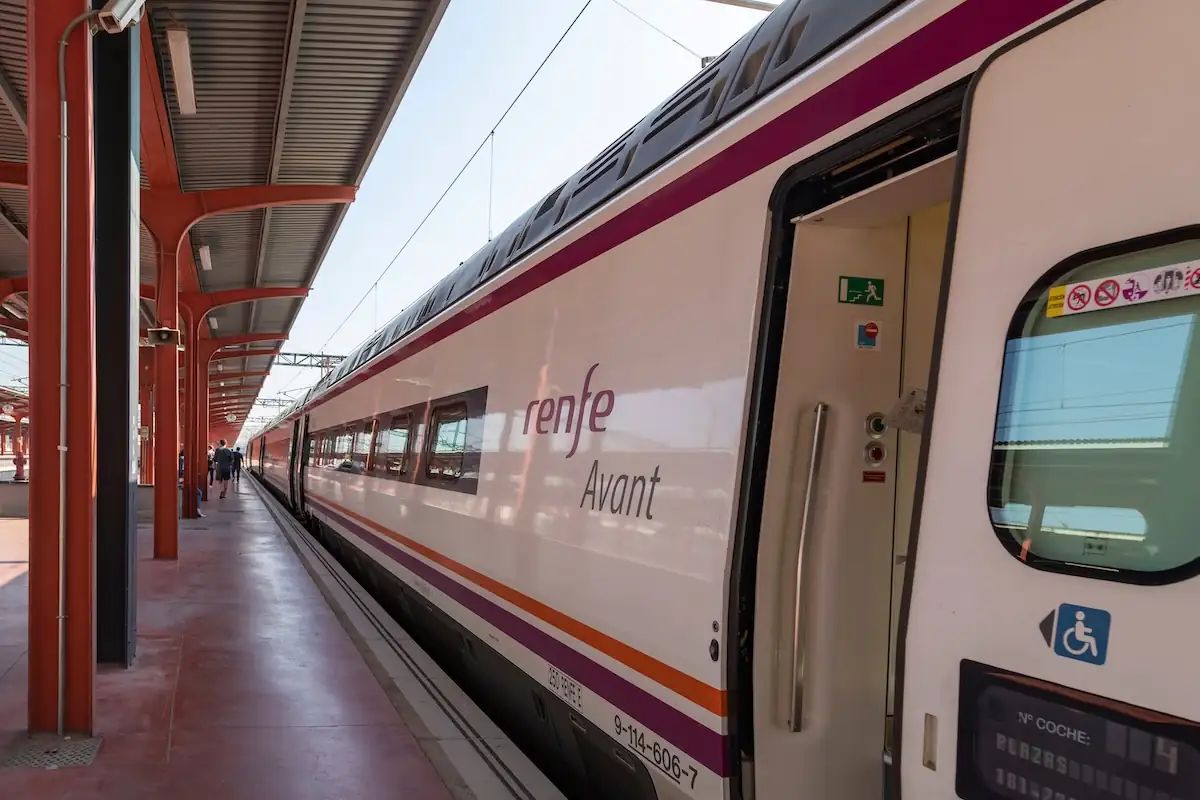
The first change will come on the Avant leaving Toledo at 6:25. That train will gain 101 seats when it begins operating with a higher-capacity Series 100 unit. It is one of the morning's most sensitive services, used by workers, students and travellers who need to reach Madrid early.
The second reinforcement will affect the 6:50 train, also in the Toledo-Madrid direction. In this case, Renfe will add 238 seats by using a double Series 114 formation. Both services will run with added capacity from Monday to Friday, precisely during the period when demand is most noticeable.
The expansion will also apply to the return journey. The last Avant Madrid-Toledo service, leaving Puerta de Atocha-Almudena Grandes at 20:45, will add 101 seats and run with greater capacity from Sunday to Thursday. For those returning late from work, study or errands in the capital, that margin can make the difference between travelling seated and relying on last-minute availability.
In total, Renfe estimates around 9,700 additional seats per month and more than 116,000 a year. It is no minor expansion on a short, heavily used rail connection with a clear profile of everyday mobility between two cities that are operating ever more closely together.
The reinforcement comes after weeks of complaints and debate about capacity on the Avant Toledo-Madrid. In April, Renfe denied that there had been seat reductions and said that the service maintained normal timetables and ticket sales. Now, the operator is taking action and increasing capacity on the most strained trains.
The Avant connection between Toledo and Madrid is not just a train for occasional journeys. For many users it functions as a daily line for work, study and family life. That is why adding seats at entry and exit times does not solve every demand problem, but it does address the point at which the service's usefulness is most at stake: when people need to arrive on time and without starting the day fighting for a seat.