
News
Barcelona debates whether Mercadona microwaves compete with bars
Buy a ready-made dish, heat it in the supermarket and eat it there. What is a quick and cheap solution for many customers has become a new source of tension in Barcelona, where restaurateurs are concerned about food areas with microwaves installed in several Mercadona stores.
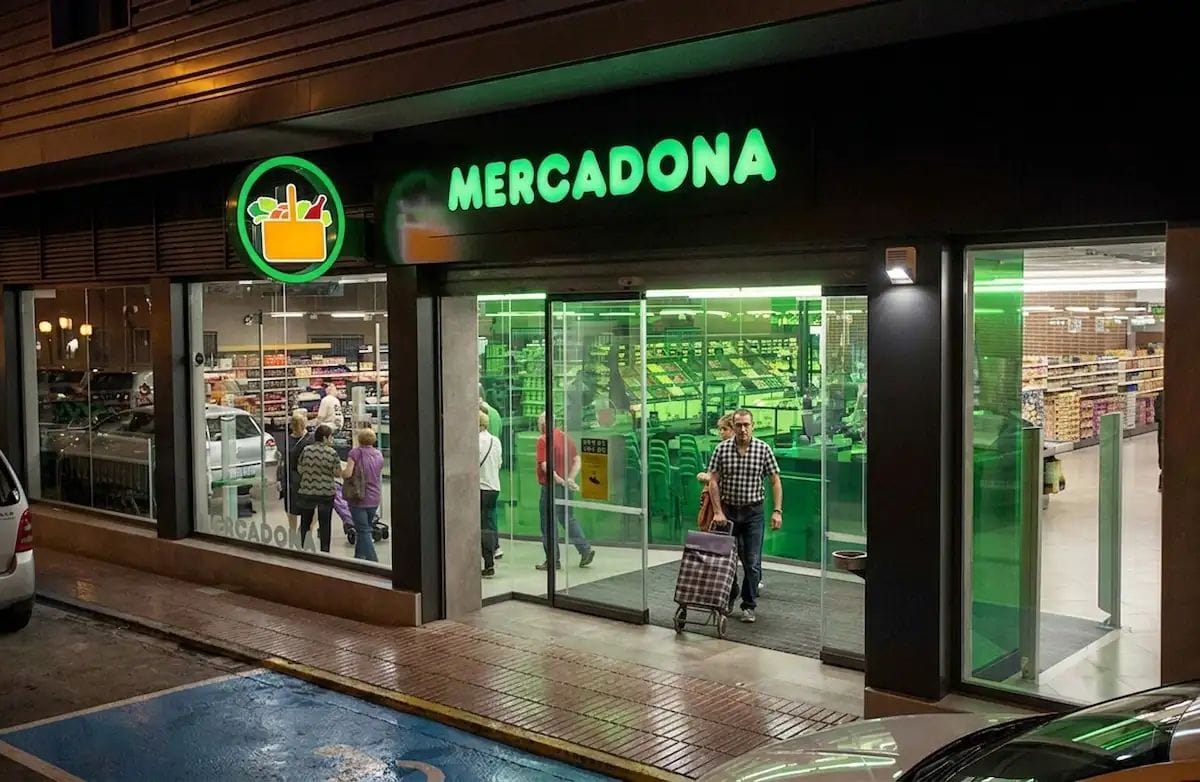
The controversy now affects around thirty supermarkets in the city. In these spaces, customers can heat products bought in the establishment itself and consume them in a designated area, a practice that fits new fast-food habits but is making the hospitality sector increasingly uncomfortable.
Gremi de Restauració de Barcelona considers that these areas are not simply rest areas. In its view, they function in practice as an alternative to bars and restaurants, but without taking on the same obligations, costs and requirements as a traditional hospitality establishment.
The criticism is not limited to microwaves. Restaurateurs also point to the expansion of bakeries inside supermarkets, with spaces for sitting down and consuming freshly baked products. They see this model as competition that is difficult to fight, especially for small neighbourhood businesses already facing rents, staff, licences and rising costs.
The underlying question is where food retail ends and an activity resembling hospitality begins. For the sector, if an establishment allows food to be heated and eaten on its premises, it should be clarified whether it complies with all the health and regulatory requirements applicable to those who serve food for immediate consumption.
Mercadona maintains that these spaces are designed to improve the customer experience and offer a rest area during shopping. The company does not present the service as a restaurant, but as an added convenience for people who buy prepared products in its shops.
The debate is linked to a very visible change in how people eat in the city. More and more people are looking for quick, affordable and flexible solutions between work, studies, journeys and family routines. Supermarkets have identified this demand and expanded their range of ready-to-eat dishes.
The controversy leaves Barcelona with an uncomfortable question: if the supermarket is increasingly starting to resemble a café, what rules should apply? The answer may affect both consumer convenience and the future of the bars, bakeries and restaurants that sustain much of neighbourhood daily life.