
News
Restaurants with counter seating and Michelin stars revolutionise the Barcelona experience
Barcelona is changing the way people sit down to eat. In a city used to starred restaurants, long menus and carefully designed dining rooms, a different experience is gaining ground: eating at the counter, watching dishes being prepared and following the kitchen's rhythm almost like a live show.
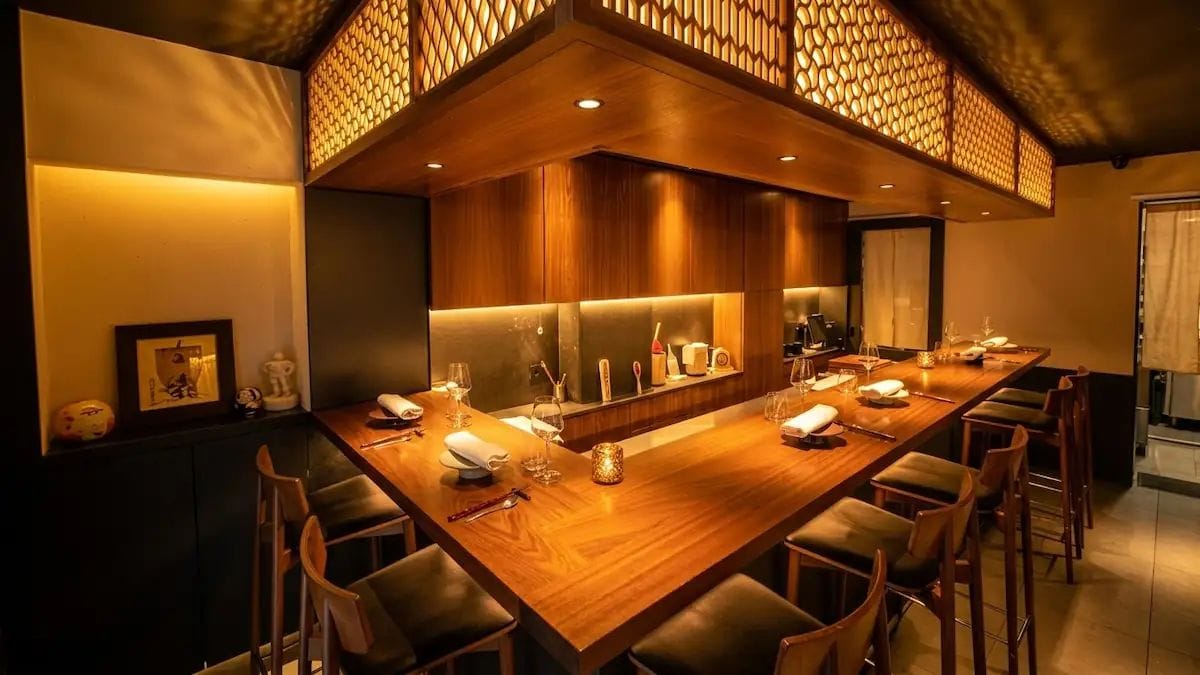
The trend does not come from nowhere. The omakase format, born in Japan and based on entrusting the menu to the chef's judgement, has spread in Spain far beyond sushi. Today it appears at Japanese cooking counters, grills, vegetarian propositions, contemporary Mexican restaurants and even artisanal pizzerias. The underlying idea is the same: less distance between the kitchen and diner, more seasonal produce and a closer experience.
In Barcelona, this logic fits a dining scene very used to trying new formats. The city has 29 Michelin-starred restaurants in the 2026 guide, showing the strength of its fine dining and the variety of models that coexist within a few kilometres.
Some examples help explain the change. Dos Palillos, in Raval, has spent years championing Asian-inspired cooking in which the counter and proximity to the team are an essential part of the experience. It is not just watching how dishes are plated: it is seeing the tempo, hearing explanations and feeling that each course happens a few centimetres away.
There are also large-format restaurants that have made the open kitchen part of their identity. Cocina Hermanos Torres, with three Michelin stars, stands out precisely for a design in which diners can observe the team's work as the menu progresses. The boundary between dining room and kitchen blurs, and that changes the way a fine-dining meal is experienced.
The appeal is easy to understand. For many customers, it is no longer enough for a dish to arrive perfectly at the table. They want to see the gesture, the fire, the cutting, the plating and the team's coordination. Food also enters through the eyes, but not only through the final photo: it enters through everything that happens beforehand.
The counter also breaks part of the classic fine-dining ritual. It can still be expensive, precise and demanding, but it feels less rigid. The diner is not isolated behind a formal table; they take part in a livelier, more direct scene, and one sometimes easier to remember than the menu itself.
For Barcelona, this change fits a city that has made gastronomy a form of urban culture. Starred counters do not replace the traditional restaurant, but they open another door: that of eating while watching, asking, letting oneself be carried along and better understanding the work behind each dish. In such a competitive scene, this closeness can make the difference between a good dinner and an experience one feels like telling someone about the next day.