
News
Delays and changes on Cercanías Madrid because of a fault at Atocha
Cercanías Madrid began this Friday with a difficult morning for thousands of travellers. An electrical fault during works at Atocha Cercanías has caused delays, stoppages and route changes on several lines, just as a new phase of work on the network begins.
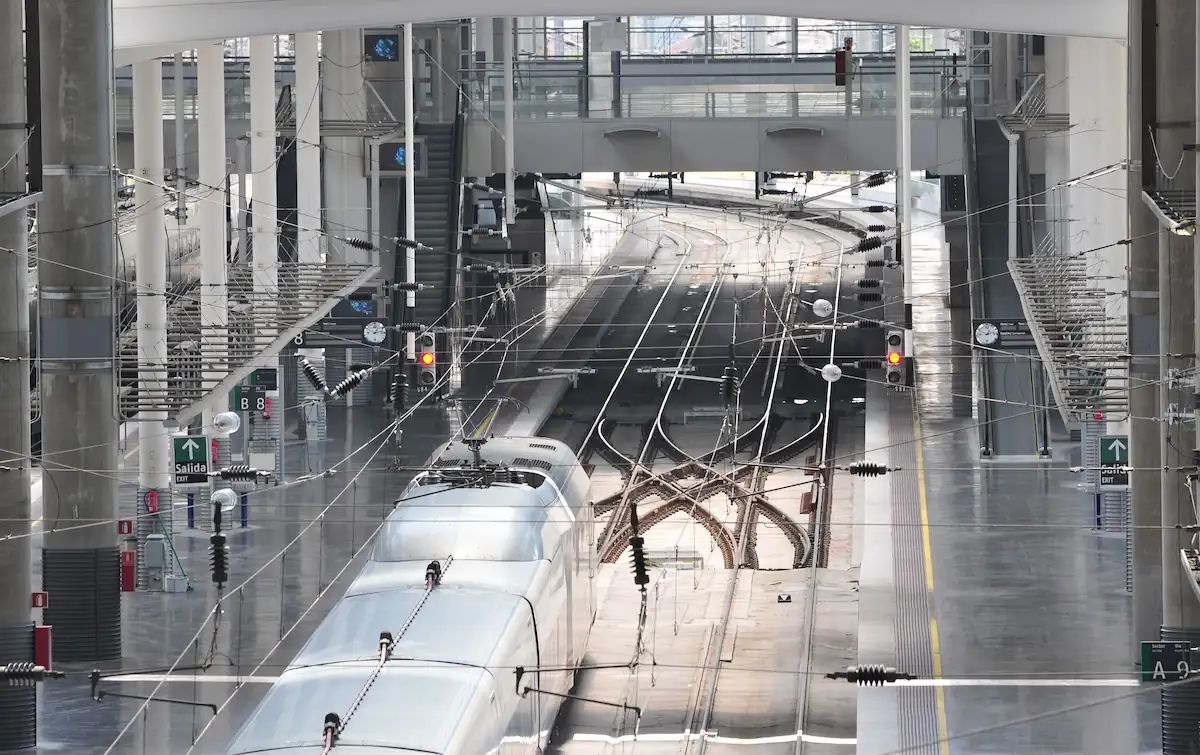
The incident was caused by a power-supply failure during the works Adif is carrying out at Atocha. The problem particularly affected the C-3 and C-4 lines, with average delays of around 30 minutes and disruptions to normal journeys.
The impact was felt from early morning on platforms and at key stations. Travellers on their way to work, people connecting with other trains and users beginning weekend journeys had to deal with longer waits, platform changes and less predictable routes.
The morning became even more complicated at around 8:00, when a second incident temporarily interrupted services between Colmenar Viejo and Tres Cantos, on the C-4b. The problem, related to traffic-control systems in Colmenar Viejo, was resolved at around 8:35, although its effects added to the accumulated delays.
The fault comes at a particularly sensitive time. This Friday marks the start of a key phase of the works at Atocha Cercanías, which will alter service on the C-3, C-4 and C-5 lines until 22 July. The intervention is part of the new track layout that will increase the capacity of the Sol tunnel.
During these days, the C-3 begins and ends its route at Villaverde Bajo, requiring a change to continue towards Atocha or Chamartín. The C-4a is suspended between Atocha and Parla, while the C-5 starts and ends at Atocha, with changes required for those continuing to other destinations.
The works timetable does not end there. Between 23 July and 16 August, the C-5 will face a full closure between Villaverde Alto and Embajadores. In August there will also be adjustments to other lines, with altered frequencies and new disruptions linked to railway works.
For users, the recommendation is to check the status of the service before leaving, allow more time and check alternatives on Metro, EMT or Cercanías depending on the journey. On days like this, a change of a few minutes can end up disrupting the entire chain of journeys.
The day leaves a familiar image for many people from Madrid: an essential network, necessary works and daily mobility that is highly vulnerable when Atocha is under strain. The promised improvement seeks greater capacity and reliability, but this Friday the immediate cost has been seen in delays, crowded platforms and travellers forced to reorganise their morning.