
News
Essential coach routes for discovering Barcelona as a group
Exploring Barcelona with a group can become quite a logistical challenge, although anyone who finds the coach as an option soon notices the difference: comfort and order are assured, and time is put to good use. Many are surprised by how simple it is to visit the city this way, avoiding the usual complications of public transport and ensuring that nobody gets lost among the streets.
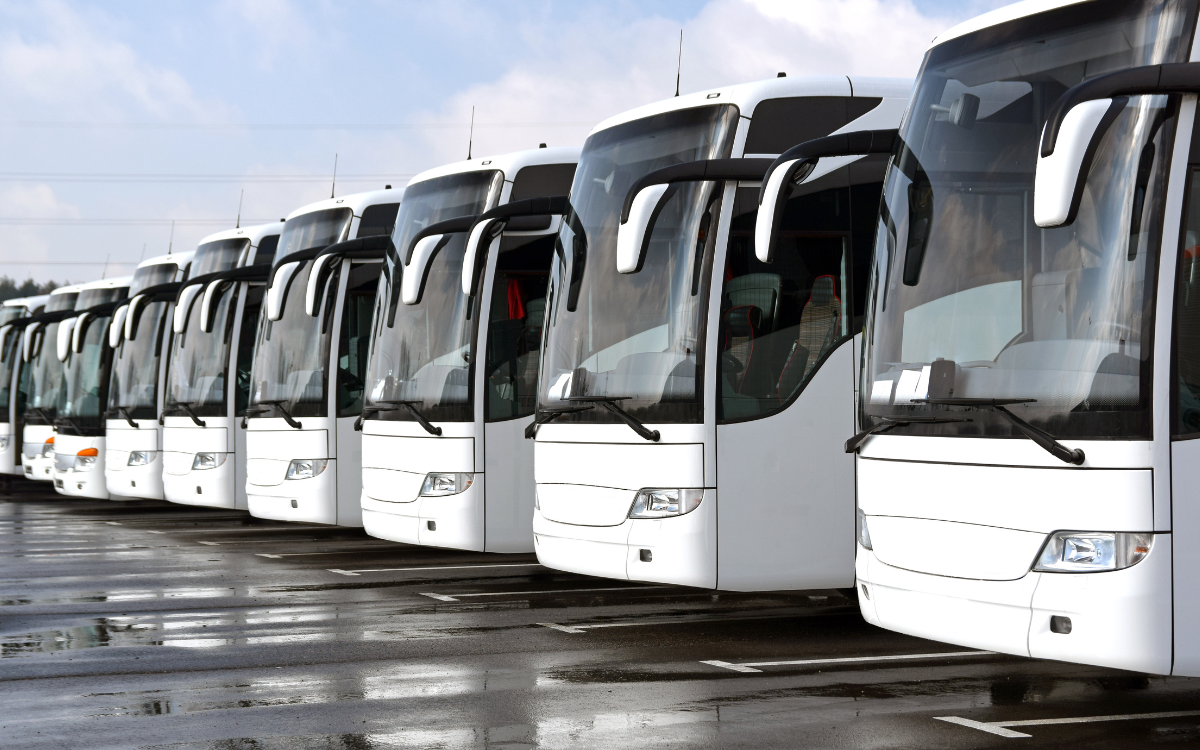
If you have thought about organising your group tour, do not underestimate how useful it is to plan a coach route; the experience becomes smoother and everyone ends up enjoying the group trip more, as though it were running on invisible rails. In addition, for those who want to avoid headaches and are looking for a local alternative, there is the option of consulting Badabus’s coach service in Barcelona, which usually adapts to every need with professionalism and a personal touch.
Certainly, many groups want as complete a view of Barcelona as possible without sacrificing flexibility. This is where tourist bus routes show their best side, because two major itineraries connect the most emblematic places, allowing travellers to get on and off at various stops as they please. Thus, everything flows like the movement on Las Ramblas in the height of August: leisurely when desired and quick when the group is enthusiastic. From other visitors’ experience, making use of the hop-on hop-off format becomes one of those small decisions that make a difference to how the tour is experienced.
Which routes cover Barcelona’s main monuments?
If you already know what you want to see, deciding on the ideal route is another matter. The city has arranged two sharply contrasting tours: one intended for those who love Modernist art and panoramic views, and another for setting out towards the Mediterranean from the heart of urban history. This variety prevents the visit from becoming monotonous and allows each group to shape its experience in a “command bridge” style, turning and choosing what to explore first. Thus, some start the day in the mountains and end it eating by the sea, while others do the reverse.
The Blue Route: the Modernist heart and panoramic views
It is not only a marvel for the curious eye, but also for those seeking to discover the essence of Gaudí in its best-known streets and squares. The Blue Route, around 2 hours if travelled directly, proudly shows off both Barcelona’s architectural splendour and its green lungs and viewpoints.
Plaça de Catalunya: A vital, bustling starting point, pure urban heartbeat.
Passeig de Gràcia: Ideal stops to see Casa Batlló and La Pedrera; they never fail to make an impression.
Sagrada Família: An almost obligatory stop, striking, full of symbolism and impossible details.
Park Güell: Perfect for getting lost for a while among mosaics with views towards the horizon.
Upper area: Here, the coach makes access easier to both Tibidabo and the Monasterio de Pedralbes.
The Red Route: from the historic centre to the Mediterranean coast
The second alternative prioritises connecting deep history with new leisure areas and the sea. From the bustle of the centre to the Montjuïc mountain, the views change as if in a film. Quite a few groups prefer to combine both tours, although here the scope for rest often depends on the group’s energy.
Plaça d’Espanya: A powerful entrance to the Montjuïc area.
Montjuïc: A setting for Olympics, museums as varied as the MNAC and gardens that offer relief from so much tourism.
Port Vell and the coast: The seaside journey offers fresh air and new perspectives.
Arc de Triomf: This point usually connects with neighbourhoods full of life and culture.
How do you plan your group’s coach logistics?
Planning a group tour requires thinking far beyond the “where”. Here, logistics set the pace, which is why some practical aspects, such as timetables and resources, really matter when it comes to avoiding disastrous outcomes. While frequency and timetables help adjust the route, it never hurts to consider the experience of others, who recommend checking the services on board because they can save the day when the group’s energy suddenly drops.
Timetables, frequencies and resources on board
To ensure everyone enjoys themselves without worries, knowing exactly what is available on board is travel insurance. On the one hand, clear information about frequencies and resources saves you unpleasant moments; on the other, facilities such as audio guides and multilingual staff usually turn doubts into certainty. It is clear that, in a group, the important thing is that no one gets lost or overwhelmed by technical details.
How long does it take to get from one point to another?
There is no doubt about it: times in Barcelona, like the wind, can vary greatly depending on the day and traffic. Here, estimates are more like reasonable promises than mathematical certainties.
From the Gothic Quarter to the Sagrada Família: between 15 and 30 minutes, depending on traffic and the mood of the streets.
From Passeig de Gràcia to Montjuïc: 20 to 30 minutes under normal conditions.
From Park Güell to Barceloneta: between 30 and 40 minutes, perfect for resting a little.
Are there options for personalised routes?
Sometimes no standard itinerary fits completely; that is why the most demanding groups usually opt for private buses or minibuses. Specialist companies, such as those in the local area, listen to the customer’s wishes and usually put together highly personalised routes, setting stops and times to measure. Although it requires greater coordination beforehand, the truth is that it makes a much more exclusive experience possible.
In addition, for those looking for something less traditional, there are options such as the Night Tour Bus and themed tours that add adventure and originality to the classic route, especially if you book in advance. With a little ingenuity, logistics stop being an enemy and each participant can devote themselves, almost effortlessly, to soaking up the city’s art, history and atmosphere.
In short, touring Barcelona by coach not only simplifies organisation, but improves the trip in tangible ways. From student associations to groups of tourists, everyone ends up appreciating the independence, safety and touch of exclusivity provided by planning and travelling with this kind of collective transport. Being able to alternate between pre-established or tailor-made routes makes it easier to discover treasures as diverse as Gaudí’s architecture and the dynamic coastline. Thus, the coach becomes a travelling companion, and discovering the city becomes more enjoyable and memorable.