
News
Sant Andreu transforms its gardens and restores a 17th-century jewel
Sant Andreu is preparing an urban transformation with a double reading: more greenery for the neighbourhood and more care for its historic heritage. Barcelona City Council will remodel the Jardins de les Dones de la Motor Ibèrica, a space widely used by residents, beside the Capella dels Segadors.
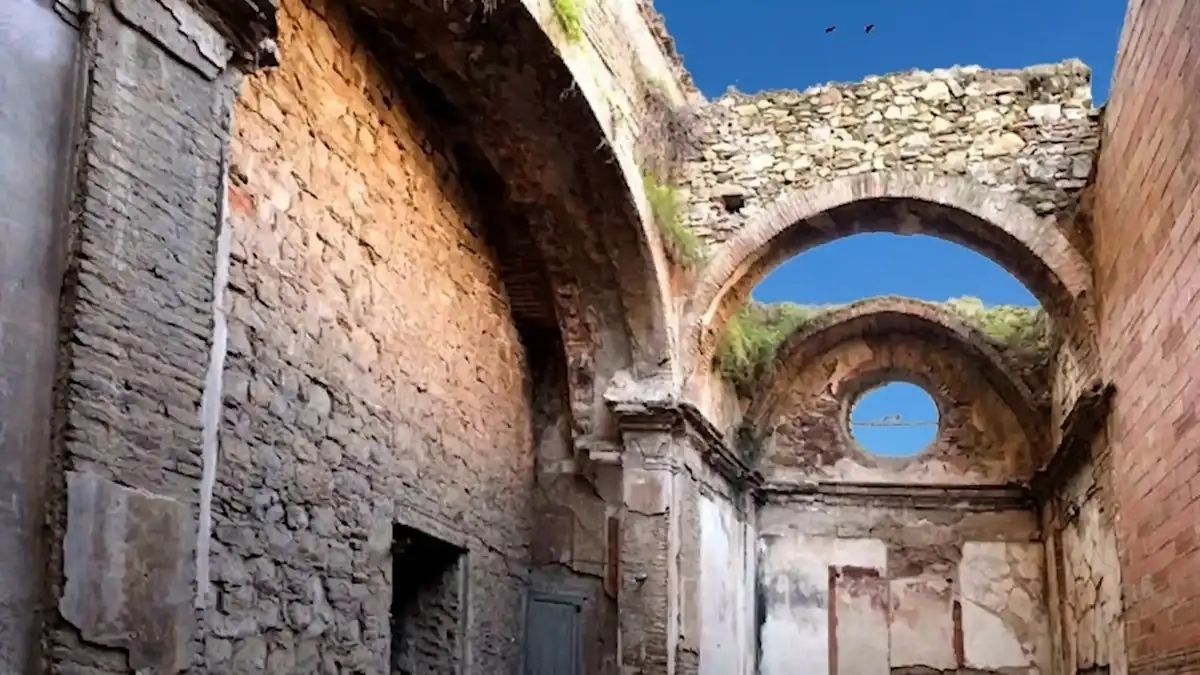
The intervention has a planned investment of 1.6 million euros and seeks to strengthen the role of this point as an area for staying, passing through and meeting. The aim is for the gardens not to be merely a transit space, but a small green lung that is more comfortable, shaded and connected to the neighbourhood’s daily life.
The project will retain the sauló paving and add new flowerbeds and trees to increase shade and improve climate comfort. In a city increasingly marked by extreme summers, gaining trees and resting areas in local spaces has become an urban priority.
The refurbishment will also reach the area of Plaça dels Segadors and Carrer de Paixalet, where urban furniture will be added and new areas for staying will be consolidated. The idea is to organise public space better and make it friendlier for residents, families, older people and pedestrians.
The other major focus is Capella dels Segadors, a seventeenth-century heritage feature linked to the historical memory of Sant Andreu. The area around the chapel will be accompanied by Montjuïc stone paving or similar, which will surround three of its façades and extend to the street of the same name.
To facilitate the restoration of those façades, built elements that currently enclose the outer annex of the east façade will be demolished. The intervention is linked to the rehabilitation work on the building, which has suffered deterioration problems for years.
The redevelopment seeks to strengthen continuity between Plaça Orfila, the Jardins de les Dones de la Motor Ibèrica and Parc de la Sagrera. That axis can gain importance as a route for active mobility, neighbourhood walks and a connection between Sant Andreu de Palomar’s cultural, historical and green spaces.
The intervention offers a clear image of how a neighbourhood can change without grand spectacular gestures: by restoring shade, fixing corners used every day and giving visibility to historical features that had become too hidden. In Sant Andreu, greenery and memory come together again around a seventeenth-century chapel.