
News
Santa Eulàlia 2026: the programme that will transform winter in Barcelona
Barcelona is preparing for its major winter festival. Santa Eulàlia 2026 arrives with more than 40 years of tradition. The programme includes parades, correfocs and free activities. This year, its coincidence with Carnival promises unique moments. Discover everything you cannot miss.
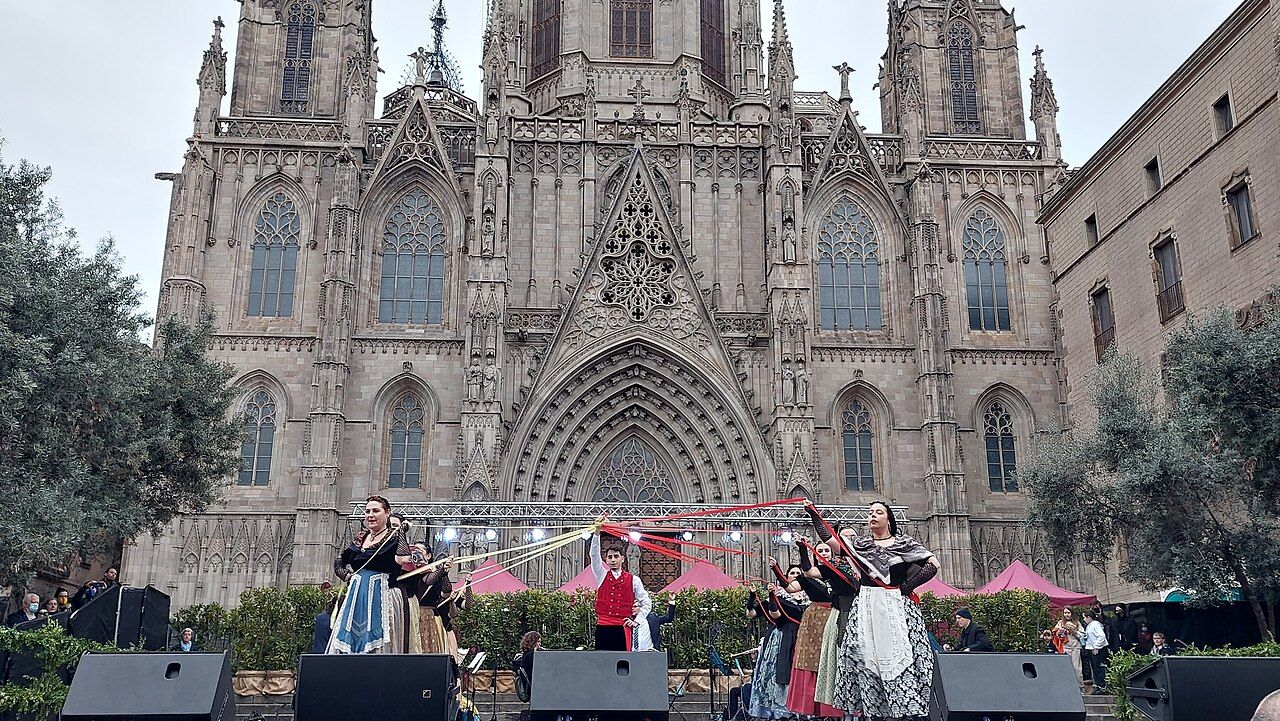
Barcelona is preparing for its major winter festival. Santa Eulàlia 2026 arrives with more than 40 years of tradition. The programme includes parades, correfocs and free activities. This year, its coincidence with Carnival promises unique moments. Discover everything you cannot miss.
In the heart of February, Barcelona immerses itself in one of its most beloved celebrations: the Festes de Santa Eulàlia. In 2026, the city will hold the 43rd edition of its major winter festival, an event that every year turns the historic centre into a vibrant stage for popular culture, music and traditions. Its coincidence with the start of Carnival adds an element of anticipation and promises unforgettable scenes in the streets.
From 12 to 15 February, the schedule is filled with free activities open to everyone. On Thursday, La Rambla and Plaça de Sant Jaume will host the first parades of giants and the traditional Passejada de les Laies, which will culminate in a tribute to the Taronjada and a fireworks display. The afternoon will be tinged with orange and gunpowder as the city welcomes Carnival and its co-patron saint.
On Friday, music takes over with choral concerts, performances by municipal schools and the solemn Ball de l’Àliga in the Basilica of Santa Maria del Mar. The night continues with youth-focused events at Lali Jove and urban rhythms on Avinguda de la Catedral, where DJs and emerging bands will enliven the atmosphere until dawn.
On Saturday, Plaça de Sant Jaume and its surroundings come alive from early morning. Stick dancers, sardana dancers, drummers and groups of child giants make their way through the Gothic Quarter and El Born in a succession of parades and dances. The correfoc of the little devils and beasts begins in the afternoon, followed by the eagerly awaited adult correfoc, which turns the heart of the city into a spectacle of fire and drums. The day ends with concerts and dance performances in the cathedral and inside the basilica.
On Sunday, the human-tower tradition takes centre stage with the Diada Castellera de Santa Eulàlia, where the city’s leading groups compete in Plaça de Sant Jaume. The Seguici de Santa Eulàlia and giant dances set the rhythm of the morning, while the afternoon includes special tributes, such as the commemoration of the 425th anniversary of the Gegants del Pi. Band music and lacemaker displays complete a weekend that invites people to rediscover the city at street level.
Exhibitions also have their place: the children’s bestiary and the giants are shown at Born CCM, while Palau de la Virreina hosts all the Laies of Ciutat Vella. Casa dels Entremesos offers a permanent exhibition of festival figures, and on Saturday the doors of City Hall are opened to those who want to see it from the inside.
Among the most emblematic characters is Laia, the young female giant who represents a fourth-century girl and embodies the spirit of the saint. Her presence in the parades and floral offerings is one of the festival’s most moving moments, especially for younger children.
Santa Eulàlia 2026 promises an edition full of energy, tradition and surprises, in which the city reconnects with its history and its people in every corner of the centre. An essential plan for those seeking to experience Barcelona from within, amid fire, music and giants.
The figure of Santa Eulàlia is deeply rooted in Barcelona’s identity. Considered the city’s first patron saint, her legend speaks of courage and resistance in the face of adversity. Every February, her memory becomes the driving force behind a festival that brings together generations and neighbourhoods, and that asserts the strength of popular culture in public space. The parades, dances and correfocs do not merely celebrate the past; they renew Barcelona’s collective pulse, reminding us that tradition remains alive and constantly changing.