
News
Santa Mònica shakes up Barcelona with 60 artists challenging dominant narratives
Discover the exhibition that's revolutionising art in Barcelona. More than 60 international and local artists break the mould at Santa Mònica. New forms of self-representation and social debate. Unseen works and performances until February 2026. Will you miss it?
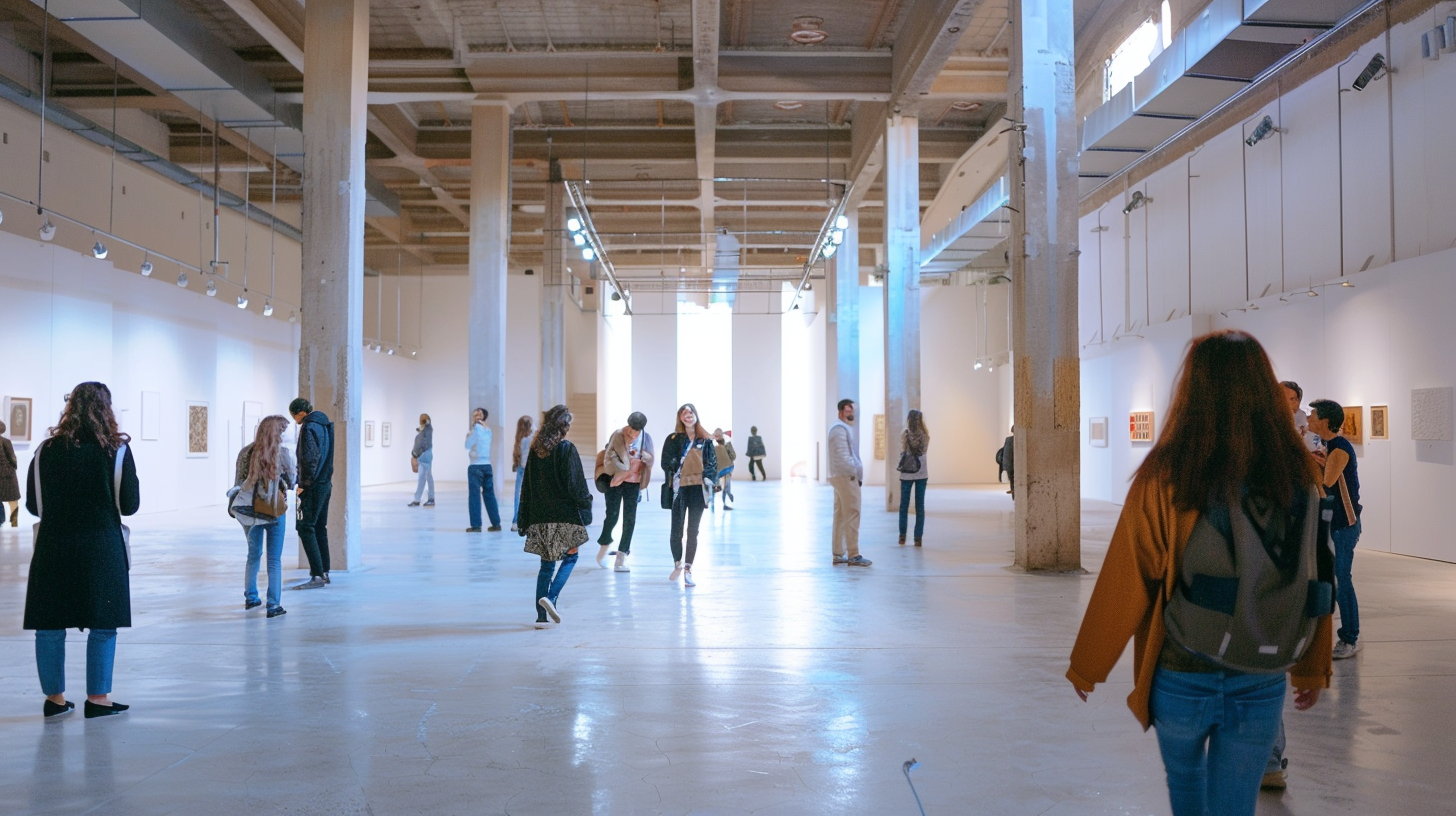
Discover the exhibition revolutionising art in Barcelona. More than 60 international and local authors break the mould at Santa Mònica. New forms of self-representation and social debate. Unseen pieces and performances until February 2026. Are you going to miss it?
The Santa Mònica art centre is hosting until 1 February 2026 the exhibition “Xiuxiueigs, bullici i paradoxes. Temptatives per a una política de l’enunciació”, a show bringing together more than 60 international and local artists. Its aim is to question dominant discourses and open up new avenues for self-representation through works unseen in Barcelona.
The exhibition presents pieces in a wide range of formats, from graphic installations and performances to video games, textiles and audiovisual works. The artists explore how hegemonic narratives have constructed distorted images of those considered “the others”, and propose alternatives to counter violence, inequality and discrimination.
Among the most striking proposals is the “immigrant karaoke” by the Radia Cava-ret collective, which uses cover versions of songs to process the violence of Fortress Europe. One of the most talked-about pieces is the reinterpretation of Vulpess's “Me gusta ser una migra”. For its part, the Catàrsia collective is committed to childhood stories removed from trauma, while Diego Marchante delves into the archive of histories of gender and sexual dissidence, with the intention that they should not be lost in the face of the advance of the far right.
The curatorial team, led by Nancy Garín e Ingrid Blanco, has promoted the translation and interpretation of key texts on the issues addressed. This work has produced two multilingual fanzines and the publication “Pròlegs a contratemps (1848–2048)”, which proposes new prologues for the “Manifiesto Comunista”. In addition, workshops, talks and performances seek to connect the exhibition with the public and encourage debate.