
News
Scabies is once again a concern in Barcelona: how it spreads and how to detect it
Scabies outbreaks are once again causing concern in Barcelona, especially in care homes for the elderly and other places where many people live closely together. Prolonged contact between people and sharing bedding, clothing, or towels can make it easier for a case to spread to more residents or staff.
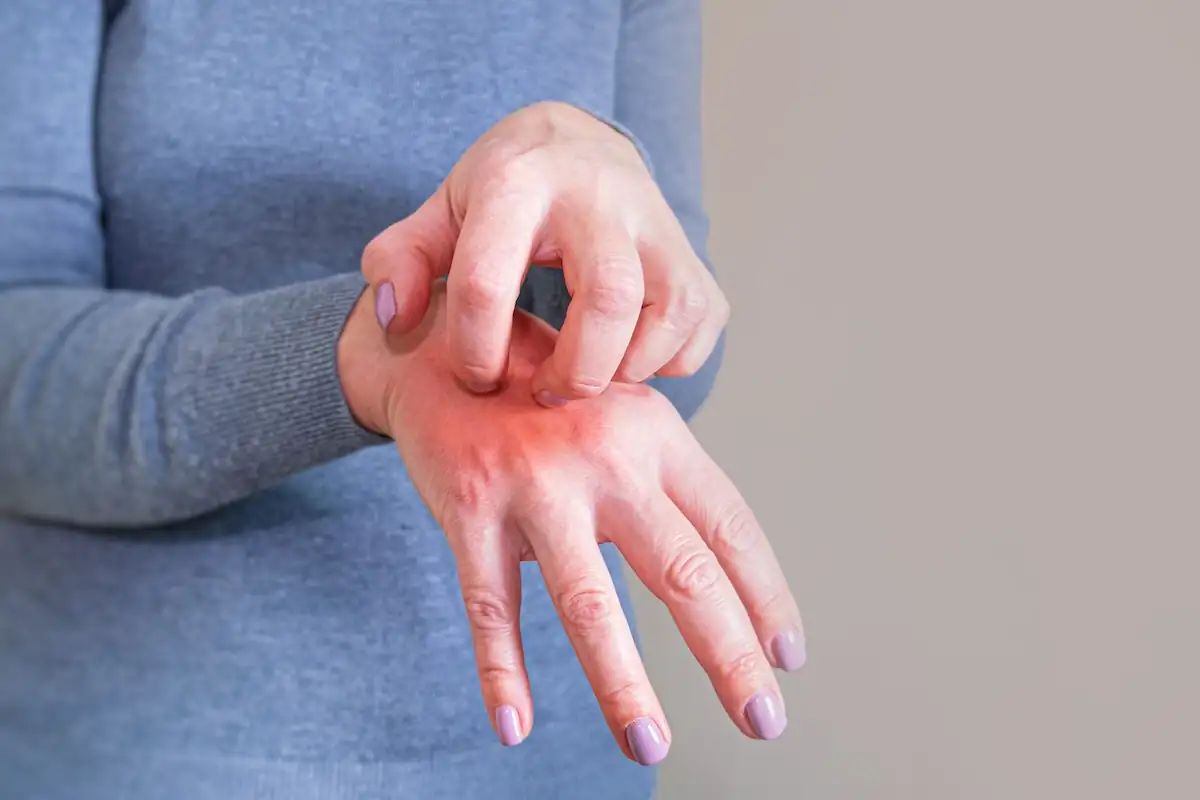
Scabies is a skin infestation caused by the mite Sarcoptes scabiei. It can affect anyone and is not necessarily related to poor hygiene. Its most characteristic sign is intense itching, which may be accompanied by small skin lesions and is often one of the first clues to detecting the problem.
Transmission occurs mainly through direct and prolonged skin contact with an affected person. Brief contact or a quick hug do not usually carry the same risk, whereas sleeping in the same bed or sharing certain garments, sheets and towels can facilitate contagion.
For that very reason, care homes are among the settings where it is most difficult to stop an outbreak. Between 2010 and 2017, 115 outbreaks affecting around a thousand people were recorded in Catalunya, and 41% occurred in geriatric centres.
Detection is not always straightforward among older people either. Some residents, particularly those with certain neurological illnesses, may feel the itching less or have difficulty communicating it. When diagnosis is delayed, the mite has more time to spread among people sharing rooms and common spaces.
Outside the human body, the mite can persist for a limited period, hence the importance also of garments and bedding used by an affected person. In collective settings, acting on close contacts and shared objects is especially important to break the chain of transmission.
Scabies can also occur in nurseries, schools, residential centres or prisons, places where daily contact is closer. In a dense city such as Barcelona, the issue lies less in a casual encounter in the street or on public transport than in prolonged and repeated cohabitation.
The figure leaves a clear message for care homes and families: recognising symptoms as soon as possible and avoiding sharing clothes, towels or sheets when there is suspicion can make a difference. In enclosed spaces with daily cohabitation, a delay of just a few hours in detecting several cases can make controlling an outbreak much more difficult.