
News
Óscar Puente warns: the transfer of Rodalies is not enough to improve the service
Óscar Puente acknowledges the challenges facing Rodalies. Multi-million euro investments have not changed public perception. The transfer of management is not a magic solution. Find out what is holding back service improvements. Will there be real change?
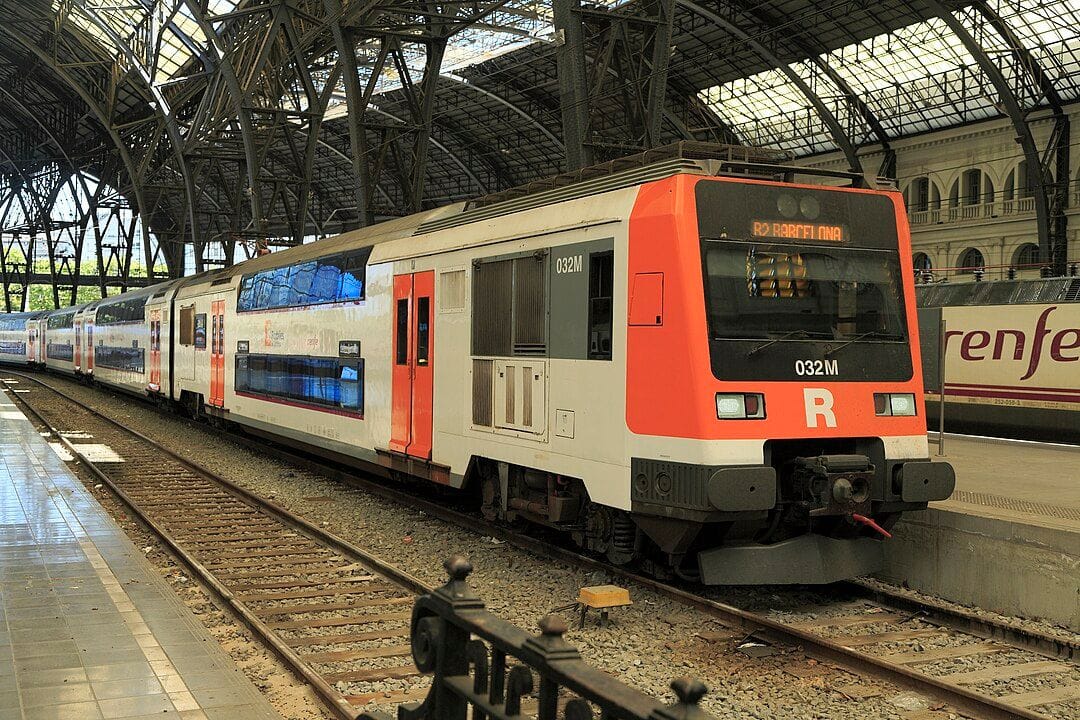
The Minister of Transport, Óscar Puente, has highlighted the complex situation of Rodalies in Catalunya after two years in office. Despite investments exceeding 3 billion euros, users’ perception remains negative. Puente points out that the Catalan commuter rail system is the oldest and most complex in Spain, which makes the necessary improvements even more difficult.
The minister notes that, although infrastructure and stations are being renovated—with work underway at more than 40 of them—the age of the rolling stock and lack of capacity continue to cause daily incidents. According to Puente, 80% of lifts and escalators were out of order at the start of his term, but that figure has dropped significantly over the past year.
Puente attributes the problems to a combination of factors: a historic lack of investment, poor governance, and external causes such as cable theft and vandalism. Rodalies accounts for half of all such incidents across the Spanish rail network, which worsens the situation.
Regarding the transfer of management to the Generalitat, Puente says that proximity may improve coordination, but warns that it is not a miracle solution. He insists that without line upgrades, increased capacity, and new trains, local management will have only a limited impact. The new mixed-company model is about to be formalised, and it is expected to start receiving resources and structure in 2025.
The minister also mentions the importance of the social peace achieved after negotiations with unions and administrations, and stresses that the Generalitat will have primary control in the new phase. However, he emphasises that real service improvements will depend on ongoing investment and coordination among all parties involved.
As for the Mediterranean corridor, Puente states that 82% of the works have already been completed or are underway, and maintains the commitment that it will be operational between Almería and the French border by 2027. He also highlights the need to connect Barcelona and Lleida to ease congestion through Tarragona, with feasibility studies already commissioned.