
News
A week of chaos on Rodalies: closures and delays at 10 key points
The start of the week is complicating journeys on Rodalies. Ten points on the network are suffering incidents and speed restrictions. The Gelida accident and the rain continue to affect mobility. Only the R2 and R2 Sud are operating without restrictions.
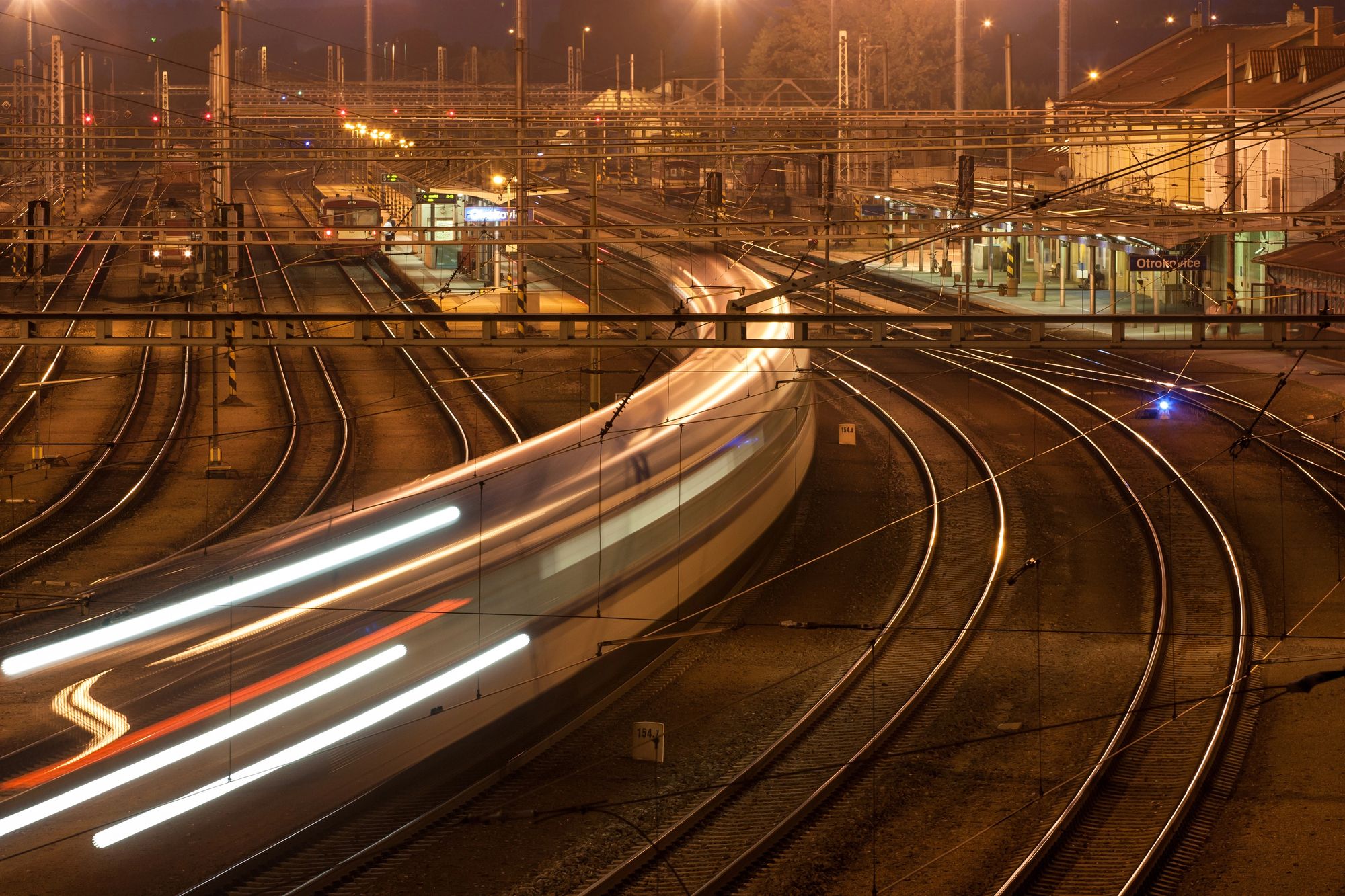
The start of the week brings complications to Rodalies journeys. Ten points on the network are affected by incidents and speed restrictions. The Gelida accident and the rain continue to affect travel. Only the R2 and R2 Sud are operating without restrictions.
Those who depend on Rodalies to travel around Barcelona and the surrounding area are beginning the week with more uncertainty than usual. This Monday, the railway network faces incidents at ten strategic points and numerous sections with reduced speeds, disrupting the plans of thousands of travellers. The anticipated return to normal after the fatal accident in Gelida and the recent rain has been delayed again.
The railway authorities had promised a full restoration of services, but the reality is different: only the R2 and R2 Sud lines are running without restrictions today. Other key connections, such as the R1, R3 and R4, still have closures, diversions and replacement road services. On the R1, trains only go as far as Blanes; the journey to Maçanet is still covered by bus, as the ground has not yet stabilised following January's landslide.
On the R2, which connects Sant Vicenç de Calders with Maçanet-Massanes via Barcelona, services are the only ones still running smoothly. However, the R2 Sud, although operating, has reduced frequencies between Bellvitge and Sants, forcing passengers to adjust their schedules and allow for waits.
The situation is particularly complicated on the R3, where rail services are completely suspended. Since October, work to double sections of track had already required buses to be used between Fabra i Puig and La Garriga. Now the safety crisis is extending the shuttle bus route to Puigcerdà, covering the entire line.
The R4, the scene of the tragic accident in Gelida, has not returned to normal either. The section between Sant Sadurní and Martorell Central is still covered by road, while trains are running between Martorell Central and Terrassa Estació de Nord. Further on towards Manresa, passengers have to return to buses. Regional services between Manresa and Cervera are also affected and are operating by road.
Other routes, such as those connecting Reus with Riba Roja d’Ebre, Vinaixa or La Plana Picamoixons, also depend on replacement services. Adif continues work at 31 points on the network to strengthen slopes and improve tracks, having already carried out more than 400 inspections during the crisis. Coastal areas and sections in cuttings are receiving particular attention because of the risk of further incidents.
Travel in Barcelona and its metropolitan area continues to be constrained by the fragility of the rail infrastructure. Passengers should check timetables and routes before setting off, as changes can be sudden and affect both work and personal journeys.
Rodalies de Catalunya is the main commuter rail system in Barcelona and its metropolitan surroundings. It handles millions of journeys every month and connects key neighbourhoods, municipalities and cities in the region. Its operation is essential to the daily lives of those who study, work or enjoy the city without relying on a car. Recurring disruptions, whether caused by works, accidents or weather events, test passengers' patience and the ability of the responsible institutions to respond.