
News
Heat hits Barcelona care homes: almost half do not air-condition rooms
Sleeping in temperatures above 25 degrees has become common in Barcelona this summer and, for thousands of older people, also a health problem. The city has accumulated 52 nights above that threshold, while many care homes still do not have air conditioning in their rooms.
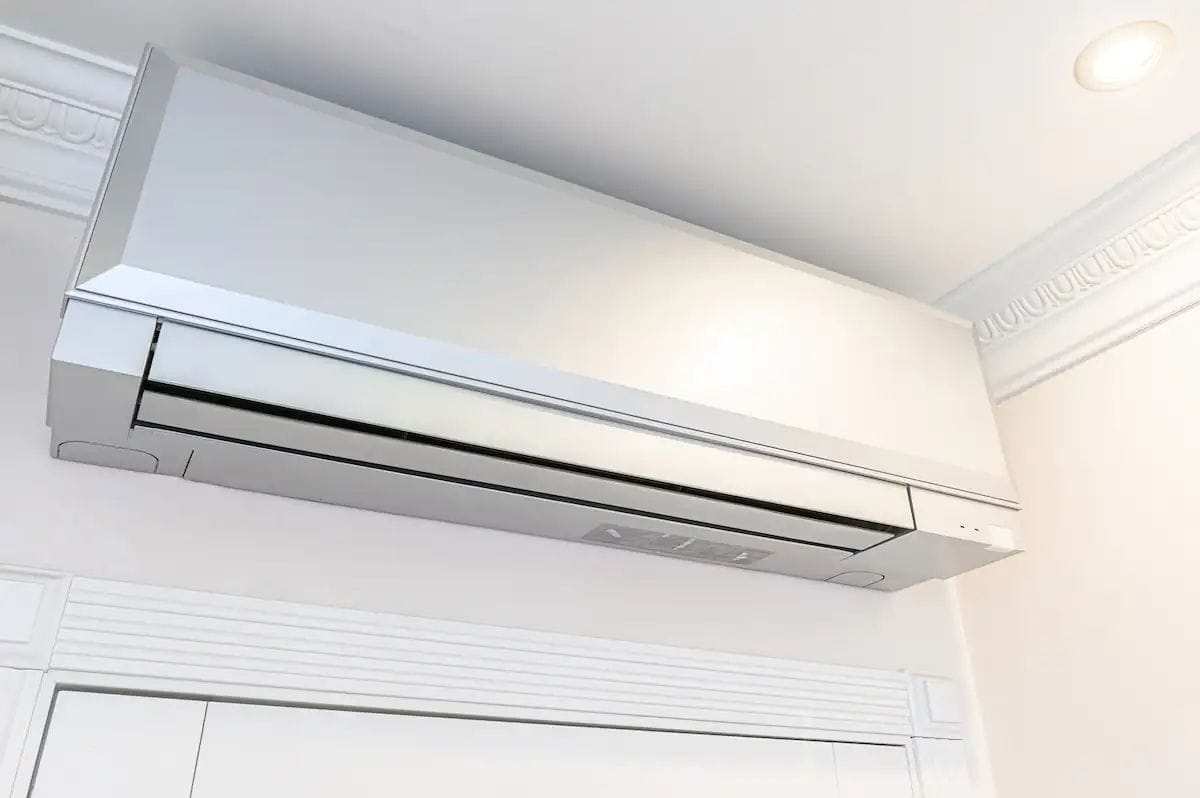
Only 53.6% of Barcelona's residential care homes have air conditioning in bedrooms. In the rest, air conditioning is concentrated in dining rooms, living rooms and other communal spaces, meaning that at night residents return to rooms where it is more difficult to bring down the temperature.
The situation is especially delicate because many of these people are in fragile health and have a reduced capacity to cope with heat. High temperatures at night also make rest difficult and reduce the hours in which the body can recover from the heat accumulated during the day.
Current regulations do not require every room to have air conditioning. The requirement focuses on preventing the overall temperature of the home from exceeding 27 degrees, while establishments dating from before 2015 may be subject to rules designed when periods of extreme heat were less frequent.
Care homes try to compensate with protocols that are already part of the summer routine: more hydration, fewer activities during the middle of the day and more time spent in air-conditioned areas. The POCS plan also provides for spaces that function as climate refuges within the homes and enhanced monitoring for heat-related symptoms.
The problem appears when night falls. Residents then return to their bedrooms and, in many older buildings, fans are virtually the only available tool. Installing complete air-conditioning systems can require major works and an investment that is difficult for some homes to afford.
The exposure is significant. A study by Universitat Pompeu Fabra has warned of higher mortality associated with extreme heat among people living in care homes than among those remaining in their own homes, a difference linked to factors such as the thermal conditions of buildings and the vulnerability of their residents.
Care homes built or refurbished in recent years start with an advantage, but a significant part of the network still operates in buildings designed for a different climate. With nights becoming increasingly difficult to cool, air conditioning in bedrooms ceases to be a matter of comfort: for the most vulnerable residents, it can shape how they get through the harshest weeks of Barcelona's summer.