
News
Auction in Madrid of nearly 700 objects from the Franco family after the transfer of the Pazo de Meirás
Furniture, photographs and even carpets: Franco's heirs are auctioning 700 items removed from the Pazo de Meirás before it was handed over to the State. Lots start at 100 euros and the auction will take place on 27 October in Madrid.
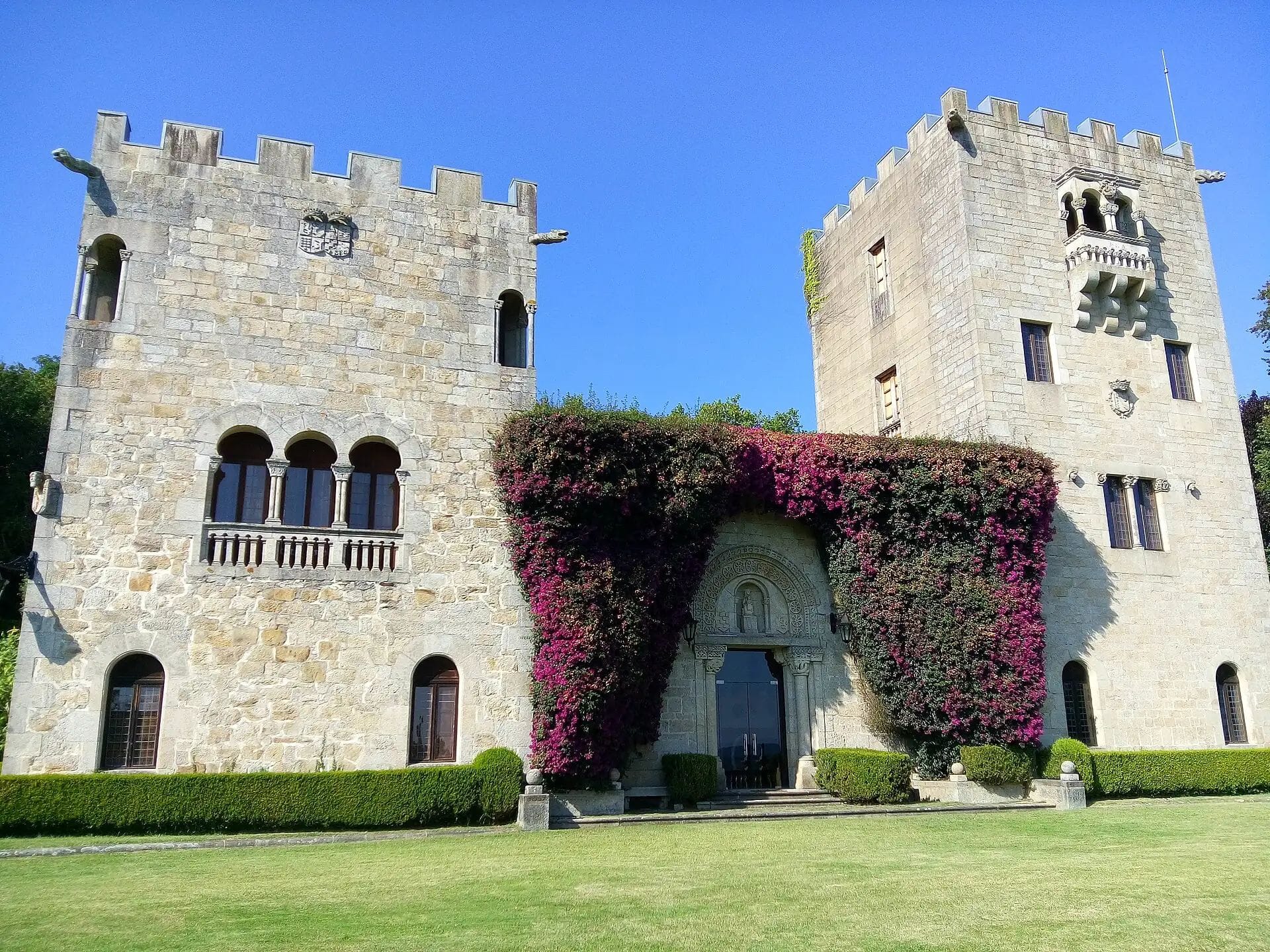
Can you imagine bidding on a chair that once sat in the Franco family’s living room? This autumn, nearly 700 objects that until recently decorated the Pazo de Meirás in Galicia will go up for auction in Madrid. The dictator’s family has decided to sell furniture, dinnerware, photographs, sculptures, carpets, and other household items that were removed from the historic estate this summer, just before it was handed over to the State for good.
Collectors and the curious are invited on 27 October. The lots, totalling around 700 pieces, start at prices ranging from 100 to 5,000 euros. It’s not just about antiques: the selection includes everyday objects as well as items with sentimental value for the family, adding a certain intrigue to the bidding.
A move with history
The Pazo de Meirás, located in Galicia, has for decades been one of the most controversial symbols of heritage linked to the dictatorship. After years of legal battles and public debate, the property finally passed into State hands, but the Franco family took with them a considerable part of its contents. Now, those objects are looking for new owners in an auction that promises to leave no one indifferent.
What’s up for sale?
The lots include a bit of everything: furniture from different eras, dinnerware that has seen generations come and go, family photographs, sculptures, and carpets. Starting prices vary, but most pieces are between 100 and 5,000 euros. It’s not the first time private heritage of this kind has come onto the market, though rarely with such symbolic weight.
A phenomenon that’s not new
The sale of historic or unique items isn’t exclusive to the Franco family. In Barcelona, for example, there have been original proposals for managing property heritage, such as joint home purchases for people over 40 who can’t afford a mortgage. Although the context is very different, both situations show how past and present intersect in the market for objects and properties with history.
Who will take home the memory?
The auction on 27 October in Madrid will attract not only art or antique collectors, but also those seeking a piece of history, however controversial. Expectations are high: each object tells part of the private life of a family that shaped Spanish life in the XX century. The fact that these memories are changing hands in an auction room says a lot about how Spain continues to deal with its memory and heritage. In a country where the past never quite goes away, the bidding for objects from the Pazo de Meirás is, in itself, a sign of the times.