
News
Tarragona starts using DNA to identify people who don't pick up their dogs' mess: first €100 fine
Leaving your dog's mess on the street can now have consequences even when no officer is watching. Tarragona has managed to identify the first offending owner through a DNA test. The result came just three days after the analyses began and will allow a €100 fine to be issued.
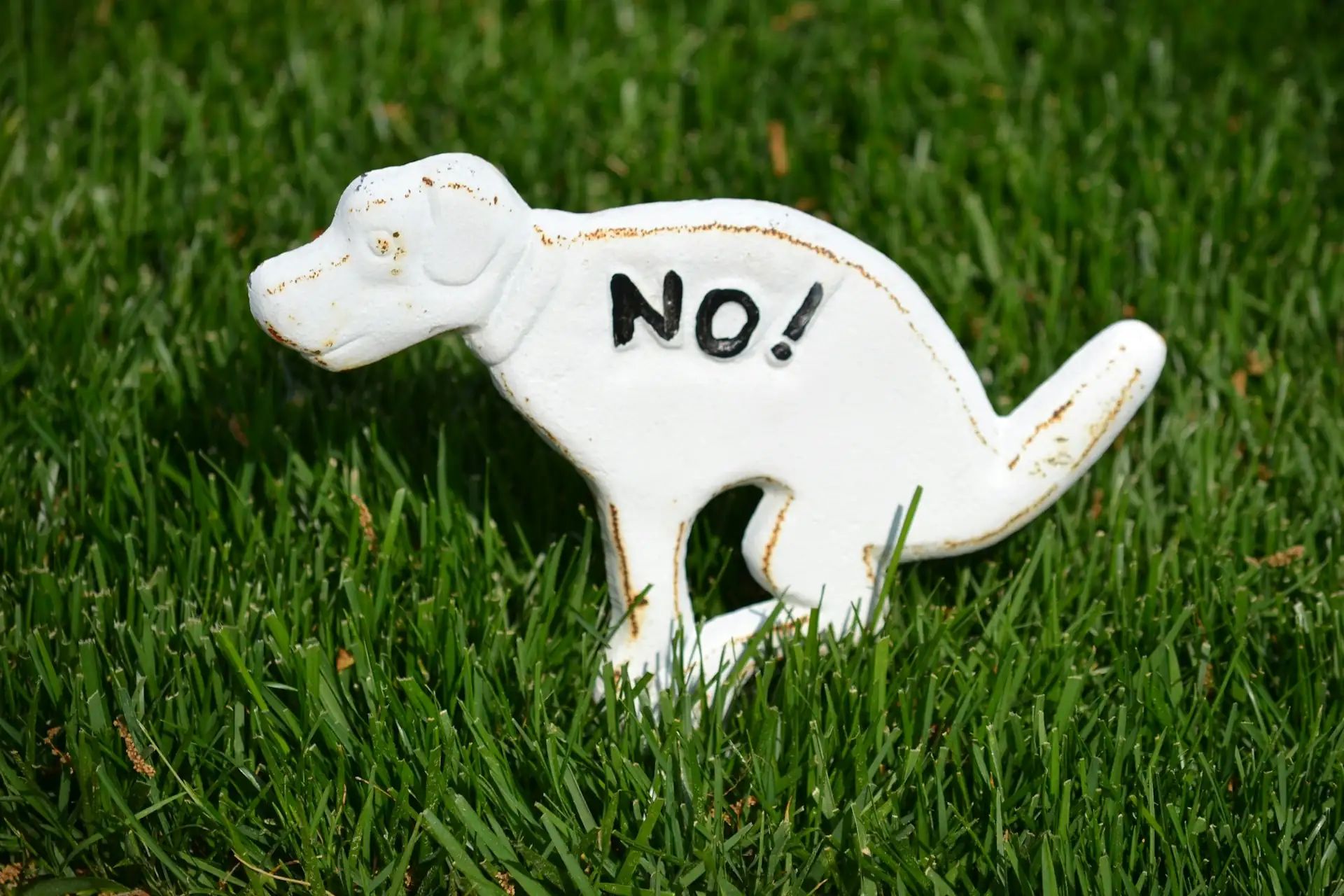
A sample collected on a street in Tarragona was enough to locate the owner of a dog whose excrement had been left on public roads. It was not necessary to witness the offence: identification was carried out by comparing the genetic material from the faeces with a municipal database.
This is the first positive result from the new DNA-based control system used by the City Council to tackle the mess caused by those who do not pick up after their pets.
According to Diari de Tarragona, technicians have analysed 35 samples so far and found the first genetic match just three days after starting the checks.
How the system that identifies dogs by their excrement works
The process begins with collecting samples from the city’s streets.
Since the end of September, a team made up of ADN Canino staff and Guardia Urbana officers has been carrying out inspections to locate abandoned excrement in public spaces.
The samples are sent for analysis and their genetic profile is compared with the municipal dog register.
If a match is found, the City Council can identify the animal and link it to its owner to begin the sanctioning process.
In the first detected case, the planned fine amounts to 100 euros.
The system allows action even when the offence has not been directly observed by the police.
A mandatory genetic register since February
For this mechanism to work, it is necessary to have the animals’ DNA in advance.
That’s why Tarragona launched a mandatory genetic census for all dogs living in the municipality in February 2026.
Registration is carried out using a saliva sample obtained through a painless procedure. The genetic profile is added to a database that complements the usual identification by microchip.
Currently, there are 2,015 dogs registered, a figure that represents approximately between 16.8% and 20.2% of the city’s estimated dog population.
According to municipal estimates, between 10,000 and 12,000 dogs live in Tarragona, so a considerable number of animals still need to be added to the census.
To make the process easier, the City Council works with 15 veterinary clinics.
What happens if the dog is not registered?
Not all samples collected on the street necessarily find a match in the database.
The fact that the census does not yet include all the dogs in Tarragona currently limits the possibility of identifying certain owners.
However, analyses that do not produce a match will also be useful.
The City Council intends to use this information to locate areas where more excrement accumulates, study walking patterns, and guide cleaning and monitoring actions.
As the number of registered animals increases, the system’s ability to link samples to their owners will also grow.
Beyond fines: locating lost or abandoned dogs
The genetic census was not created solely to penalise those who break cleanliness rules.
DNA identification can also help to recognise lost, abandoned, or mistreated animals.
This information complements the microchip and provides another tool to establish a dog’s identity when needed.
With the first owner already identified, Tarragona is beginning to test the practical operation of an initiative aimed at improving street cleanliness and encouraging pet owners’ responsibility.
So far, 35 samples analysed have produced the first genetic match, while the expansion of the municipal dog register continues.