
News
Telefónica sells its historic Gran Vía building for around €200 million
The Telefónica Building at Gran Vía 28 has a new owner. The company has completed the sale of the property to General de Galerías Comerciales, a company controlled by businessman Tomás Olivo, completing a property deal worth around €200 million and ending almost a century of ownership of one of Madrid's most recognisable buildings.
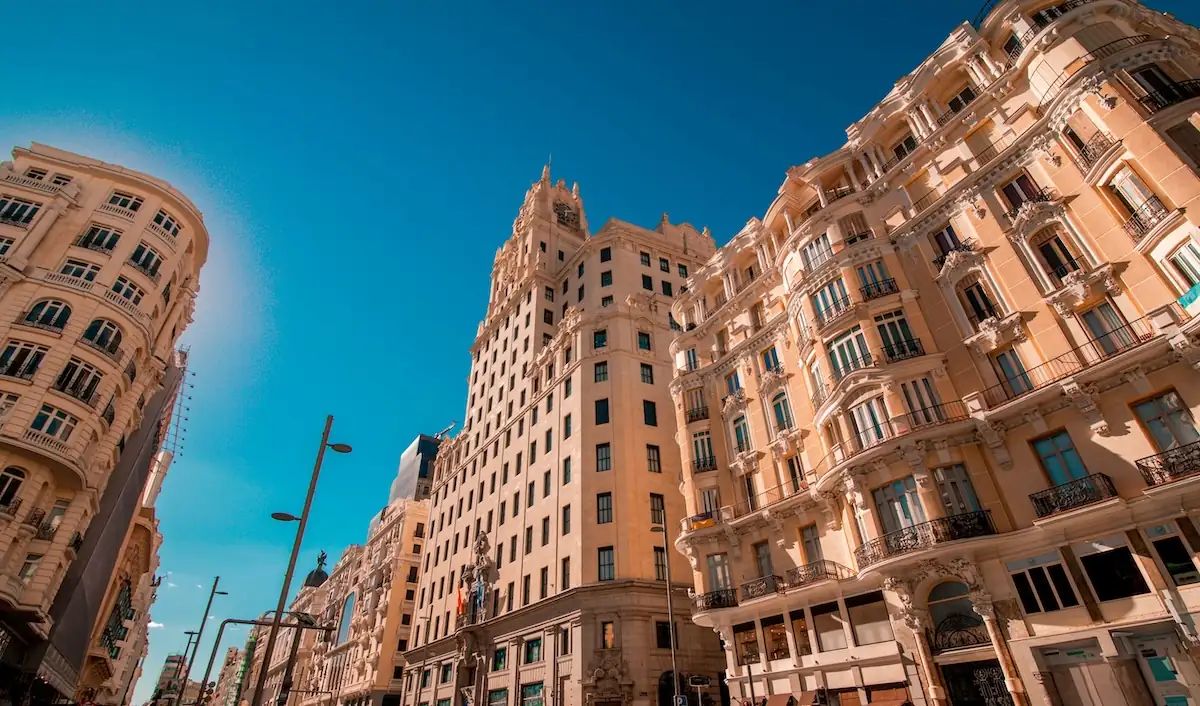
The change of hands, however, will not mean Telefónica's immediate departure. The company will retain a presence in the building for at least three years by renting five floors. Espacio Fundación Telefónica and Espacio Movistar, the large shop the company refurbished and reopened in 2024, will also continue operating normally.
For that reason, anyone now passing along Gran Vía will not notice an immediate change. The shop will retain its services and hours, while the Foundation will continue with its exhibitions, educational activities and meetings on culture, technology and innovation. Telefónica will therefore remain one of the building's most visible occupants, even though it has ceased to be its owner.
The transaction concerns a building of around 32,000 square metres spread across 13 floors. It was built between 1926 and 1929 under the direction of architect Ignacio de Cárdenas, with the collaboration of American Louis S. Weeks, and at 89 metres it became Madrid's tallest building until 1953.
Its history is closely linked to the birth of modern telecommunications in Spain. Gran Vía 28 housed Madrid's first automatic telephone exchange, designed for around 40,000 lines, and in October 1928 it was the setting for the first telephone conversation between Spain and America.
But it ceased long ago to be Telefónica's main corporate headquarters. The company moved its operations centre to Distrito Telefónica, in Las Tablas, in 2008. Since then, Gran Vía 28 had evolved into a space with a greater cultural, commercial and technological role, although it continued to function as one of the brand's major historic symbols.
The new owner will not have complete freedom to transform the skyscraper either. The building has Nivel 1, Grado Singular, the highest protection category in the municipal catalogue, and its planning regime retains community-facility, telecommunications and cultural uses. Those restrictions were precisely one of the factors that complicated the sale process.
That means that, under the current regulations, converting the building directly into luxury homes, a large hotel or a large retail space is particularly difficult. General de Galerías Comerciales has not yet announced a final project for the floors Telefónica gradually vacates, so the building's medium-term future remains open.
The sale was formalised this week as part of Telefónica's plan to optimise its property assets. What is disappearing now is not the company's presence on Gran Vía, but something more symbolic: after almost one hundred years, the skyscraper that helped identify Telefónica with Madrid's landscape now belongs to another owner.