
News
Tetuán turns its dance gala into a boost for new creators
The final gala will take place on 30 October at the Centro Cultural Eduardo Úrculo. The competition awards €8,600 to choreographies and dancers. The event brings together Spanish-flamenco and contemporary dance proposals. Admission is free until full capacity is reached.
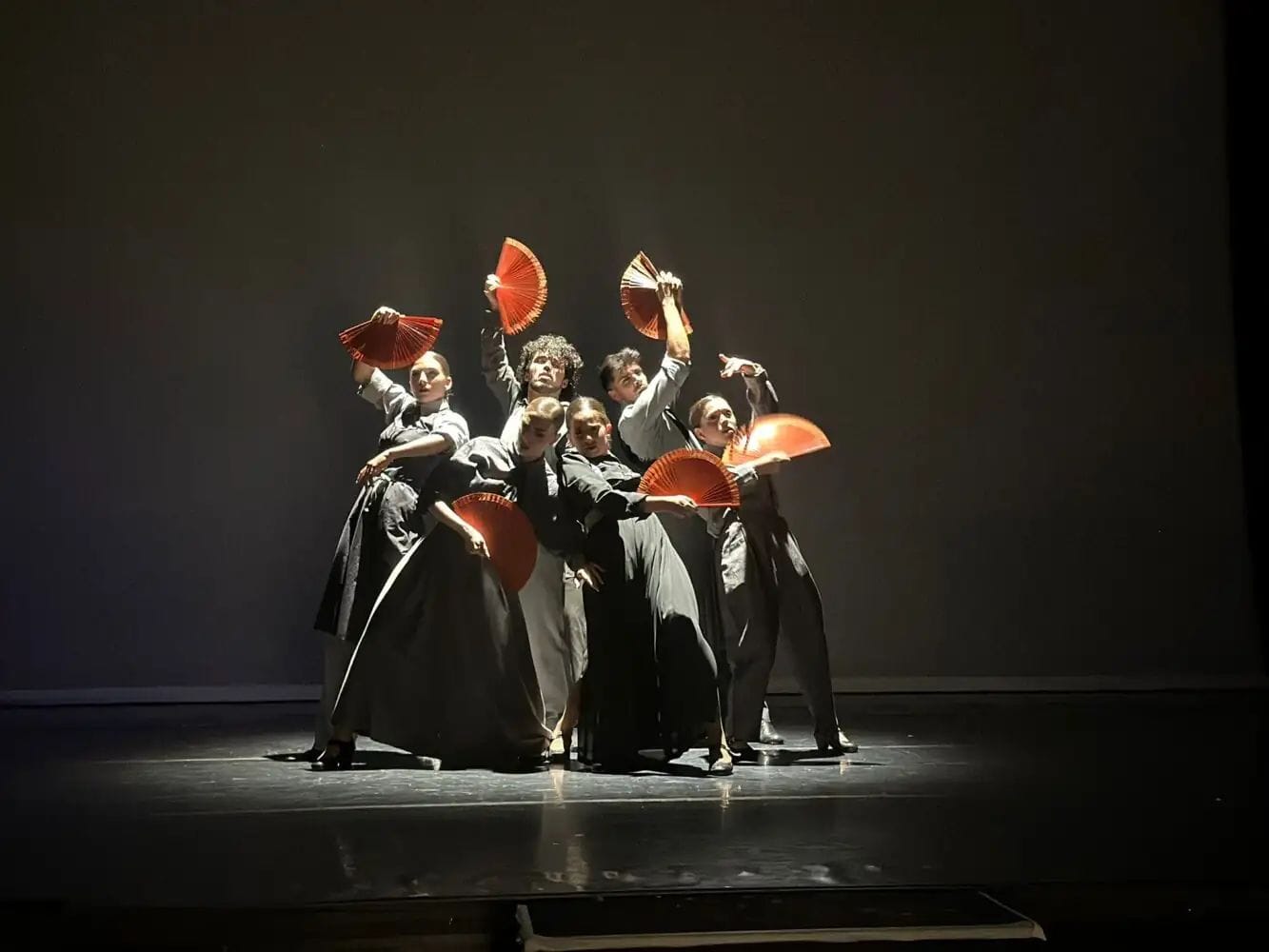
The call for entries sets aside €5,300 for a choreography and €3,300 for a dancer. The final gala of the II Certamen de Danza de Tetuán will take place on 30 October at the Centro Cultural Eduardo Úrculo, with free entry until full capacity is reached.
The professional jury will select the winning proposals from among the shortlisted pieces. The event, organised by the Junta Municipal of the district, will bring the work of dancers and companies specialising in Spanish-flamenco and contemporary dance to the public.
The competition accepts solo, duo, or group proposals from dancers residing in Spain. Each choreography can include up to eight dancers and ten lighting effects. If there is live music, a maximum of three performers are allowed on stage.
Works may be new or have premiered since 2024. The submission period ended on 16 October, so the gala will showcase the works selected for the final phase.
In addition to the cash prizes, the competition awards the Premio Centro Cultural Eduardo Úrculo. The selected artist will be able to undertake a year-long artistic residency in the centre’s dance studio, aimed at supporting research and the creation of new choreographic projects.
The evaluation will take into account the composition and concept of each piece. Originality will also be considered, along with creativity, dramaturgy, interpretation, professionalism, and stage presence.
In the first edition, held in October 2025, Tania Garrido received recognition in contemporary dance. In Spanish dance or flamenco, Gabriel Matías y Sofía Las Heras were awarded. The choreographies ‘Stand By’, by Andrea Mora y Diego Olmier, and ‘Bailar’, by Gabriel Matías y Sonia Franco, won the prize for best choreography.
The Centro Cultural Eduardo Úrculo will serve as both the venue for the gala and the workspace for the residency. This combination links the public presentation with the development of a new piece. The planned residency will last one year. The dance studio will be used for research and the creation of choreographic projects.