
News
TMB will reinforce metro, buses and funicular for the Pope's visit to Barcelona
Barcelona is preparing for two days of exceptional mobility due to Pope Leo XIV's visit. On 9 and 10 June, TMB will reinforce the metro, buses and funicular to absorb the arrival of thousands of people at Montjuïc and around Sagrada Família, the two main focal points of the papal agenda in the city.
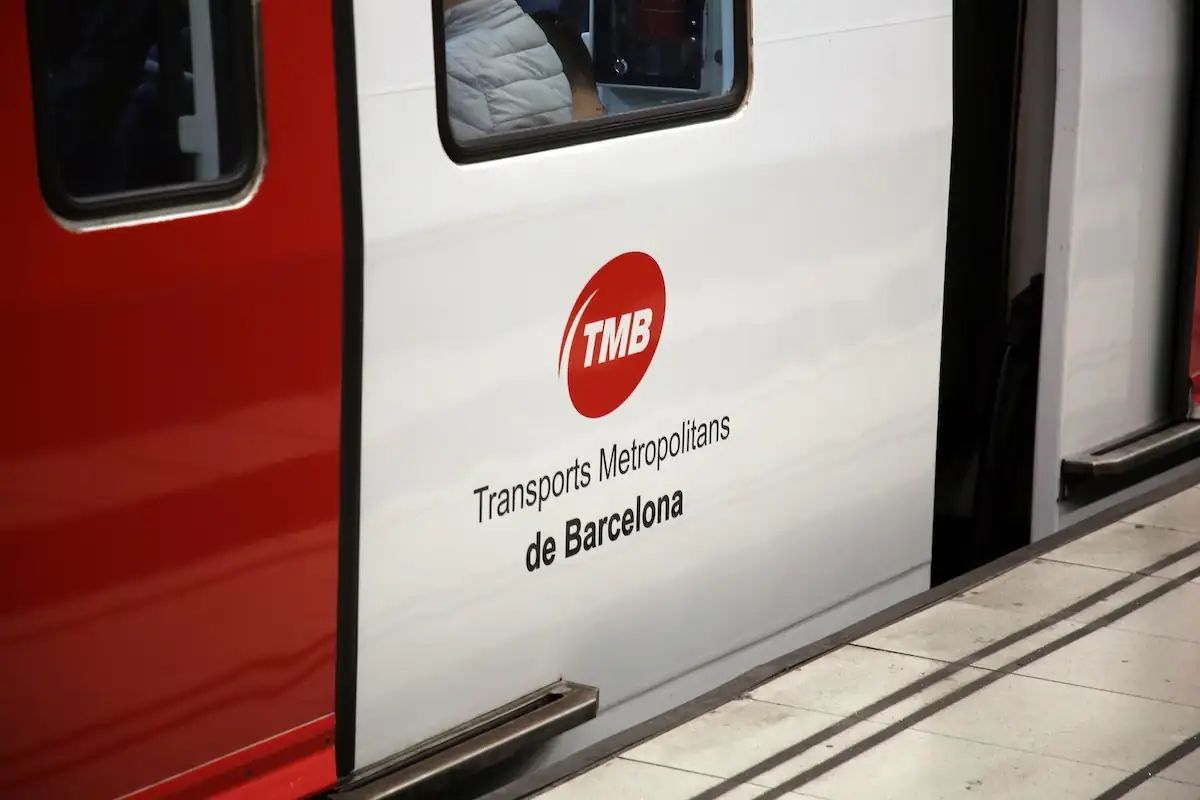
The first critical point will be Montjuïc, where the Estadi Olímpic Lluís Companys will host the vigil on 9 June. To facilitate access, TMB plans to reinforce metro service, provide more customer-service and security staff, increase the funicular’s frequency and organise bus routes to the mountain from Plaça Espanya. The aim is to prevent the mass arrival of attendees from overwhelming the usual access points.
The funicular will be one of the key elements. It connects Paral·lel with Parc de Montjuïc in just a few minutes and operates integrated into the metro network, so it can absorb part of the flow towards the Olympic Ring without relying solely on buses or journeys on foot.
On 10 June, the focus will move to the Sagrada Família, where the Pope will celebrate a solemn Mass and bless the 172.5-metre tower of Jesus Christ. That day, Sagrada Família metro station will remain closed: trains will run, but will not stop at its platforms. Those who need to travel in the area will have to use alternative stations and walk to the permitted points.
There will also be changes at Verdaguer, which during the afternoon will operate with access restrictions and will only allow passengers to leave at certain times. Bus lines running around the basilica will be diverted because of road closures, police checks and security barriers in streets near the temple.
The operation will not affect only those going to see the Pope. Residents, workers, businesses and tourists will have to adapt their routes, timetables and access, especially in the Eixample and Montjuïc. The basic recommendation will be to check the status of transport before leaving and not rely on the usual route.
The visit coincides with a very broad security deployment, with checks around the Sagrada Família and restrictions on several blocks surrounding the temple. The Pope will arrive in the popemobile along Carrer Rosselló, on a route of more than one kilometre, which will require pedestrian and public-transport movement to be organised for much of the day.
For Barcelona, the challenge will be to move thousands of people without completely blocking everyday life. TMB will have to function as an invisible support network: more trains, more buses, more information and more staff just when a key station cannot be used. In a city used to major events, the papal visit will test something very specific: the ability to change route without the city ceasing to move.