
News
Traffic authorities set the minimum age for using electric scooters at 15
The way people travel by electric scooter in Spain will change from next autumn. The new reform of the General Traffic Regulations sets the minimum age for driving personal mobility vehicles at 15 and adds obligations to strengthen safety on streets and roads.
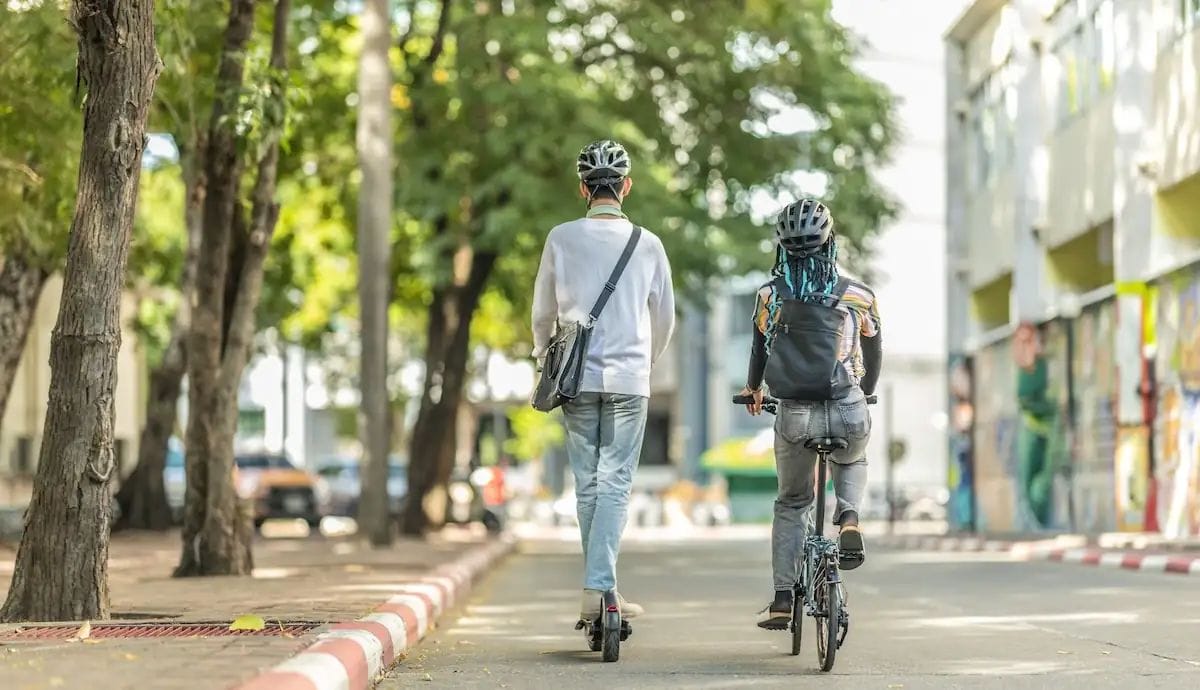
The measure directly affects electric scooters, which are increasingly common in urban travel. Until now, the minimum age often depended on local regulations, leading to differences between cities. With the reform, the rule will become standard across the country.
Helmets will also be mandatory for anyone riding these vehicles. The regulation also adds the requirement to keep lights on at all times and to use reflective elements at night or when visibility is low.
For those who work with electric scooters, the requirements will be even stricter. Professional users will have to wear reflective elements at all times, a measure aimed especially at delivery workers and others who spend many hours on public roads.
The reform will allow personal mobility vehicles to travel outside urban areas, but with very specific limits. They will only be allowed on routes separated from motor traffic, such as bike lanes or cycle paths, and not on regular roads mixed with cars, motorbikes, or trucks.
The changes are not limited to scooters. The reform also tightens the rules for overtaking cyclists. Drivers will have to reduce their speed by at least 20 kilometres per hour below the road limit and, on roads with more than one lane in each direction, will be required to change lanes completely to overtake.
Cyclists will also face new obligations. Exemptions for wearing helmets on interurban roads will be removed, and those working by bicycle will have to wear a reflective vest. In cities, the regulation states that cyclists should preferably ride in the centre of the lane, while motor vehicles must keep at least five metres behind if following.
The reform also covers motorcyclists and moped riders. On interurban roads, wearing protective gloves will be mandatory, and closed footwear will be required on all roads. In addition, motorbikes will be allowed to use the right-hand shoulder in traffic jams, provided there is specific signage and without exceeding 30 kilometres per hour.
Another change affects seat belts. Some exceptions that previously applied to taxis, delivery vehicles, and driving school cars will be removed, reinforcing the idea that seat belts must be used even on short or professional journeys.
The new measures will come into force on 1 October 2026, after a period of adjustment and information campaigns. For cities, the change is an attempt to better organise increasingly mixed mobility, where pedestrians, bikes, scooters, motorbikes, and cars share the same space under too many different rules until now.